
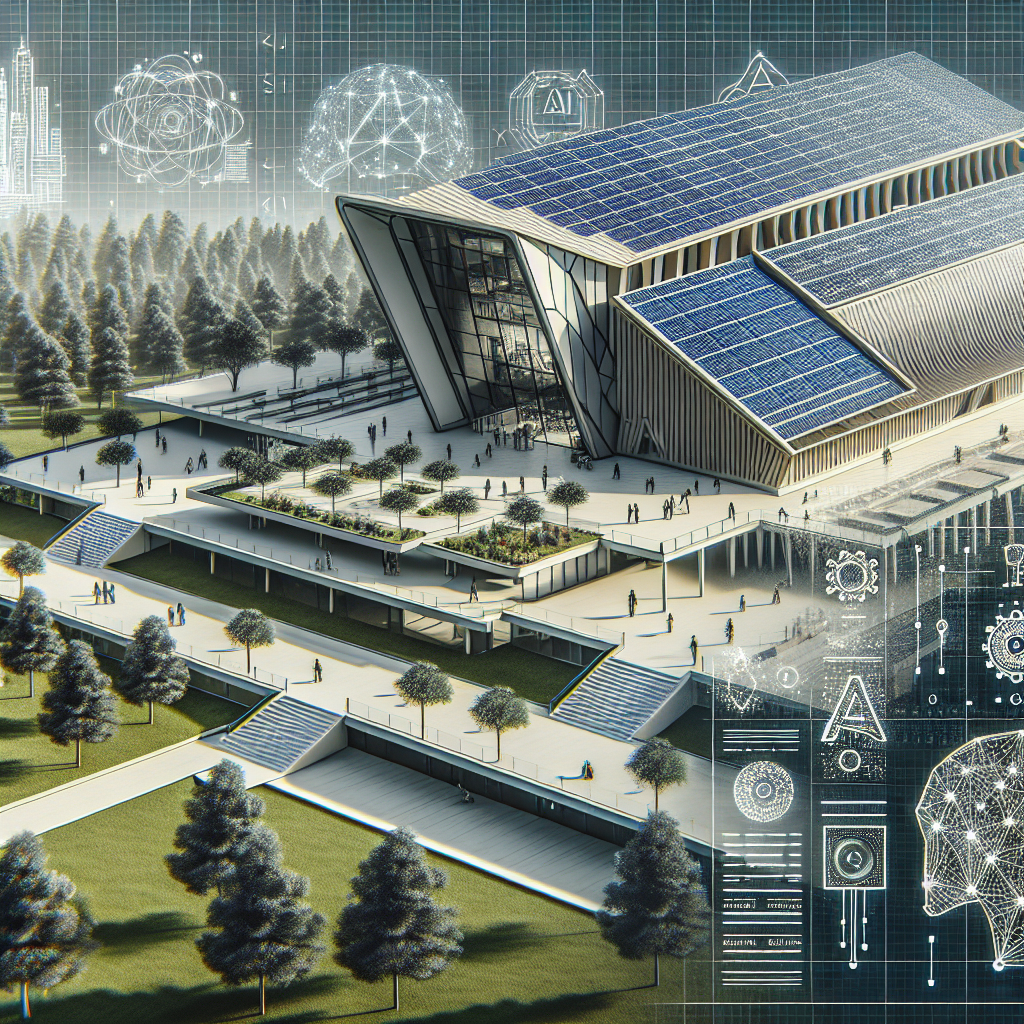
In recent years, artificial intelligence (AI) has revolutionized various industries, and the field of architecture is no exception. AI-enhanced design processes in educational architecture have the potential to greatly enhance the efficiency and creativity of designing educational spaces. By utilizing AI technology, architects and designers can streamline the design process, generate innovative design ideas, and optimize the functionality of educational spaces.
AI-enhanced design processes in educational architecture involve the use of AI algorithms and machine learning techniques to analyze data, generate design options, and optimize design solutions. These technologies can help architects and designers explore a wide range of design possibilities, evaluate the performance of different design options, and make informed decisions about the best design solutions for educational spaces.
One of the key benefits of using AI in educational architecture is the ability to generate design options quickly and efficiently. AI algorithms can analyze vast amounts of data, such as building codes, zoning regulations, and user preferences, to generate design options that meet the specific requirements of educational spaces. This can help architects and designers explore a wider range of design possibilities and find innovative solutions that may not have been considered otherwise.
Another benefit of using AI in educational architecture is the ability to optimize the functionality of educational spaces. AI algorithms can analyze the performance of different design options, such as lighting, acoustics, and ventilation, to optimize the functionality of educational spaces. This can help architects and designers create spaces that are not only aesthetically pleasing but also conducive to learning and collaboration.
Furthermore, AI-enhanced design processes can help architects and designers improve the sustainability of educational spaces. By analyzing environmental data, such as climate conditions and energy usage, AI algorithms can help architects and designers optimize the energy efficiency of educational spaces and reduce their environmental impact. This can help educational institutions reduce their carbon footprint and save on energy costs in the long run.
In addition to these benefits, AI-enhanced design processes in educational architecture can also help architects and designers collaborate more effectively with clients and stakeholders. By using AI technology to generate realistic renderings and virtual walkthroughs of design options, architects and designers can better communicate their design ideas and solicit feedback from clients and stakeholders. This can help ensure that the final design solution meets the needs and expectations of all parties involved.
Overall, AI-enhanced design processes in educational architecture have the potential to revolutionize the way educational spaces are designed and built. By leveraging the power of AI technology, architects and designers can create innovative, functional, and sustainable educational spaces that meet the needs of students, teachers, and administrators.
FAQs:
1. How does AI technology help architects and designers in the design process?
AI technology can help architects and designers in the design process by analyzing data, generating design options, and optimizing design solutions. By leveraging AI algorithms and machine learning techniques, architects and designers can explore a wider range of design possibilities, evaluate the performance of different design options, and make informed decisions about the best design solutions for educational spaces.
2. How does AI technology improve the sustainability of educational spaces?
AI technology can improve the sustainability of educational spaces by analyzing environmental data, such as climate conditions and energy usage, to optimize the energy efficiency of educational spaces. By reducing energy consumption and minimizing environmental impact, AI-enhanced design processes can help educational institutions create more sustainable and environmentally friendly spaces.
3. How does AI technology help architects and designers collaborate with clients and stakeholders?
AI technology can help architects and designers collaborate with clients and stakeholders by generating realistic renderings and virtual walkthroughs of design options. By using AI technology to visualize design ideas, architects and designers can better communicate their ideas and solicit feedback from clients and stakeholders, ensuring that the final design solution meets the needs and expectations of all parties involved.