
Introduction
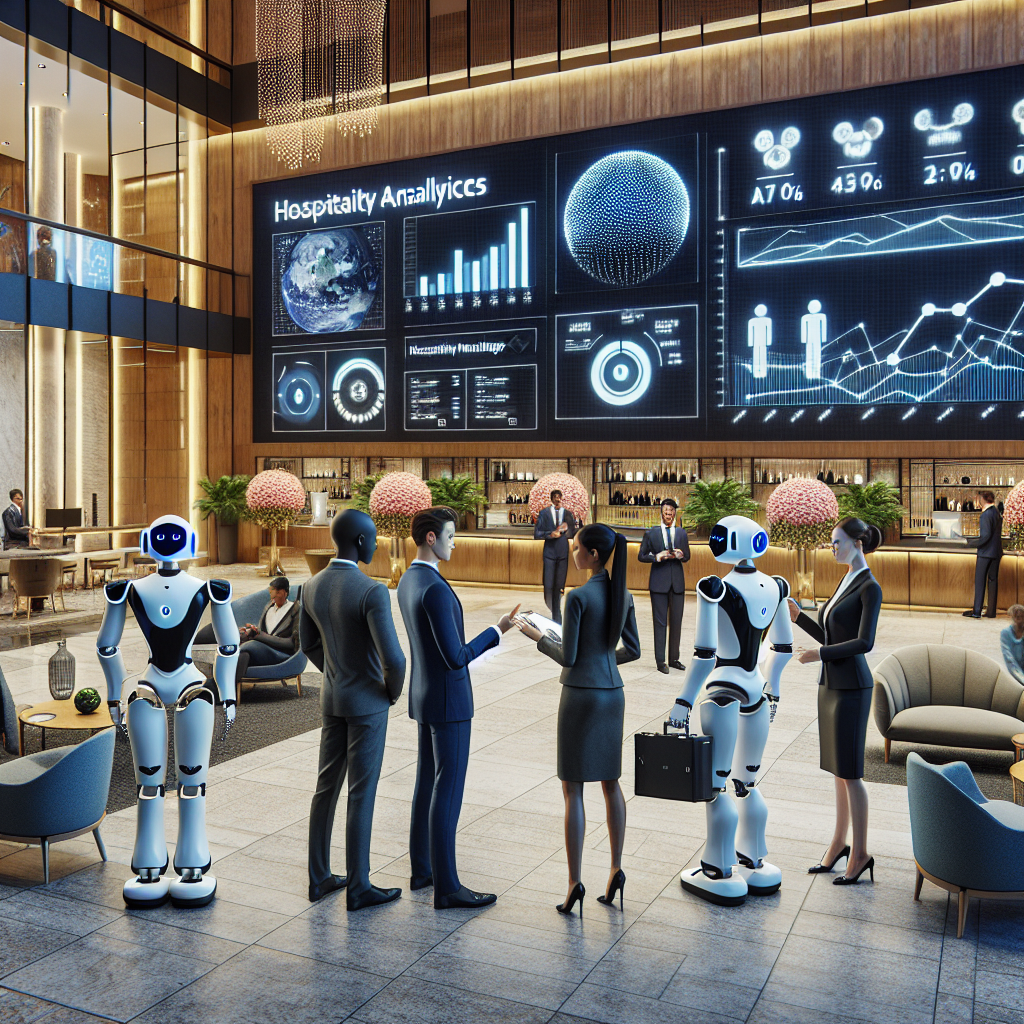
The hospitality industry is a highly competitive and fast-paced sector that relies on data and analytics to drive business decisions. With the rise of artificial intelligence (AI), businesses in the hospitality industry are increasingly turning to AI-powered analytics to gain deeper insights into their operations, customer preferences, and market trends. In this article, we will explore the potential of AI in hospitality analytics for business intelligence and how it can help businesses stay ahead in this dynamic industry.
What is AI in Hospitality Analytics?
AI in hospitality analytics refers to the use of artificial intelligence technologies such as machine learning, natural language processing, and computer vision to analyze large volumes of data generated by businesses in the hospitality industry. These technologies can help businesses extract valuable insights from their data, identify patterns and trends, and make data-driven decisions to improve operational efficiency, enhance customer experiences, and drive business growth.
How AI is Transforming Hospitality Analytics
AI is revolutionizing the way businesses in the hospitality industry analyze and utilize data. Here are some key ways in which AI is transforming hospitality analytics:
1. Personalized Customer Experiences: AI-powered analytics can help businesses segment their customers based on their preferences, behavior, and demographic information. This allows businesses to create personalized marketing campaigns, offers, and experiences that resonate with individual customers, leading to higher customer satisfaction and loyalty.
2. Operational Efficiency: AI can analyze large volumes of data to identify inefficiencies in operations, such as slow service times, underutilized resources, or inventory shortages. By optimizing operations based on AI insights, businesses can improve efficiency, reduce costs, and increase profitability.
3. Revenue Management: AI can analyze historical booking data, market trends, and competitor pricing to optimize pricing strategies and maximize revenue. By leveraging AI-powered revenue management tools, businesses can dynamically adjust pricing based on demand, seasonality, and other factors to maximize revenue potential.
4. Fraud Detection: AI can analyze transactions, customer behavior, and other data points to detect fraudulent activities such as credit card fraud or identity theft. By leveraging AI-powered fraud detection systems, businesses can protect themselves and their customers from financial losses and reputation damage.
5. Predictive Analytics: AI can predict future trends, customer preferences, and market dynamics based on historical data and real-time inputs. By using predictive analytics, businesses can anticipate changes in demand, identify new opportunities, and make proactive decisions to stay ahead of the competition.
Challenges and Considerations
While AI offers significant benefits for businesses in the hospitality industry, there are also challenges and considerations that need to be addressed:
1. Data Privacy and Security: With the increasing use of AI in hospitality analytics, businesses need to ensure that they are collecting, storing, and analyzing data in a secure and compliant manner. Data privacy regulations such as GDPR require businesses to protect customer data and ensure transparency in data processing.
2. Skill Gap: Implementing AI-powered analytics requires specialized skills and expertise in data science, AI technologies, and business intelligence. Businesses may need to invest in training their employees or hiring external experts to leverage AI effectively.
3. Integration with Existing Systems: Integrating AI-powered analytics tools with existing systems and processes can be challenging, especially for businesses with legacy systems or siloed data sources. Businesses need to ensure seamless integration to derive maximum value from AI analytics.
4. Bias and Fairness: AI algorithms can be biased if they are trained on biased data or if they are programmed with biased assumptions. Businesses need to ensure that AI algorithms are fair, transparent, and unbiased to avoid negative consequences such as discrimination or inequality.
5. Cost and ROI: Implementing AI-powered analytics can be costly, especially for small and medium-sized businesses with limited resources. Businesses need to carefully evaluate the costs and benefits of AI analytics to ensure a positive return on investment.
FAQs
Q: How can AI-powered analytics help businesses in the hospitality industry improve customer satisfaction?
A: AI-powered analytics can help businesses analyze customer feedback, preferences, and behavior to identify areas for improvement and personalize customer experiences. By understanding customer needs and preferences, businesses can enhance customer satisfaction and loyalty.
Q: What are some examples of AI applications in hospitality analytics?
A: Some examples of AI applications in hospitality analytics include personalized recommendations, demand forecasting, chatbots for customer service, dynamic pricing, and predictive maintenance.
Q: How can businesses in the hospitality industry ensure data privacy and security when using AI analytics?
A: Businesses can ensure data privacy and security by implementing robust data protection measures, such as encryption, access controls, and data anonymization. They should also comply with data privacy regulations such as GDPR and regularly audit their data processing practices.
Q: What are the key considerations for businesses when implementing AI-powered analytics in the hospitality industry?
A: Key considerations for businesses when implementing AI-powered analytics include data privacy and security, skill development, integration with existing systems, bias and fairness, and cost and ROI. Businesses should carefully evaluate these considerations to ensure successful implementation and adoption of AI analytics.
Conclusion
AI-powered analytics has the potential to transform the hospitality industry by providing businesses with valuable insights, personalized customer experiences, and competitive advantages. By leveraging AI technologies such as machine learning, natural language processing, and computer vision, businesses can analyze large volumes of data, identify patterns and trends, and make data-driven decisions to drive business growth. While there are challenges and considerations to address, businesses in the hospitality industry can benefit greatly from the power of AI in hospitality analytics for business intelligence.