
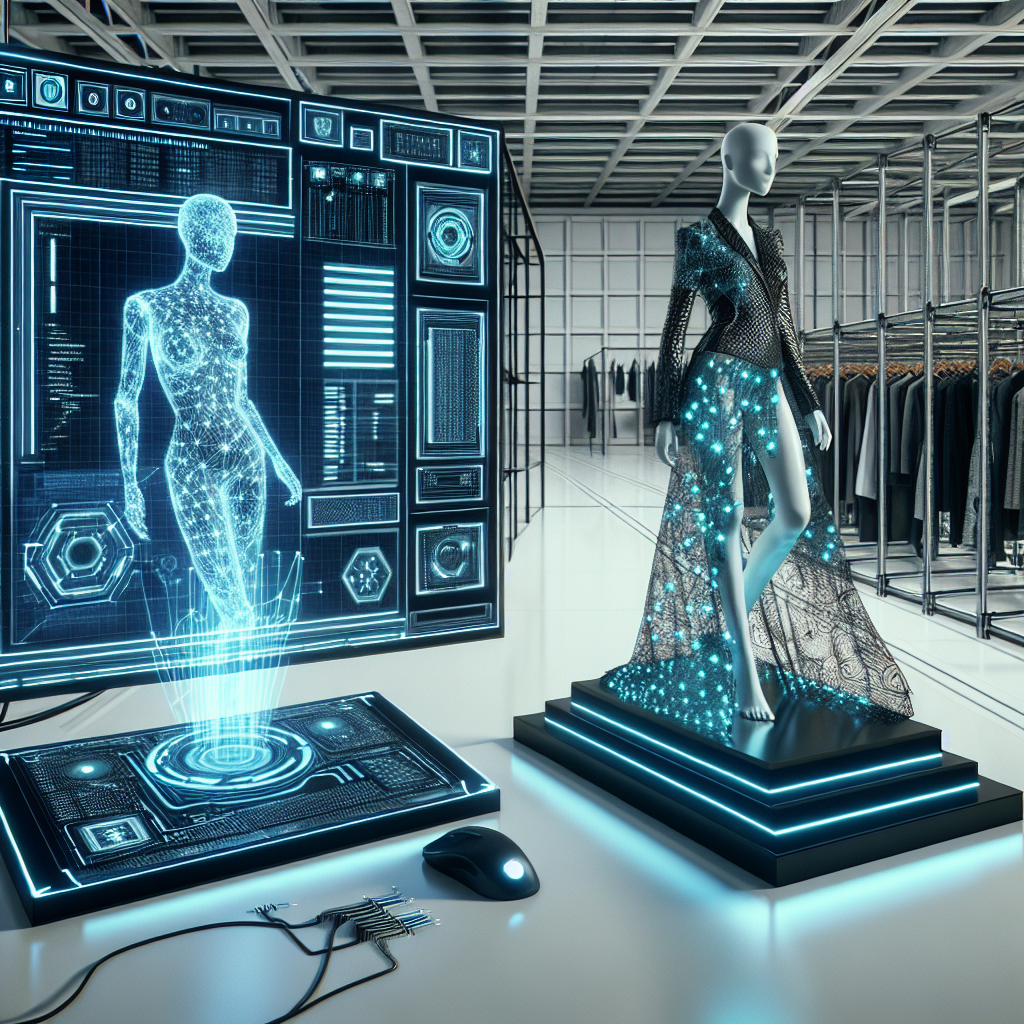
Artificial intelligence (AI) has been making waves in various industries, and the fashion industry is no exception. With the integration of AI technology, fashion designers are able to revolutionize the way they create, market, and sell their products. From predicting trends to creating personalized designs, AI is changing the way fashion is designed and consumed.
AI is being used in various aspects of the fashion industry, from design to production to marketing. One of the most significant ways AI is revolutionizing fashion design is through trend prediction. By analyzing vast amounts of data from social media, online searches, and sales trends, AI algorithms can predict upcoming trends with incredible accuracy. This allows designers to create collections that are more in tune with what consumers want, reducing the risk of producing unwanted or outdated products.
In addition to trend prediction, AI is also being used to streamline the design process itself. Designers can use AI-powered tools to generate new design ideas, create digital prototypes, and even optimize patterns for maximum efficiency. This not only speeds up the design process but also allows designers to explore new ideas and experiment with different styles more easily.
Furthermore, AI is also being used to personalize the shopping experience for consumers. By analyzing data on individual preferences, browsing history, and purchase behavior, AI algorithms can recommend products that are tailored to each customer’s unique tastes. This not only helps consumers find products they love but also helps fashion brands increase sales and customer loyalty.
Another way AI is revolutionizing fashion design is through the use of virtual fitting rooms. By using AI-powered technology, consumers can try on clothes virtually, seeing how they look on their own body without having to physically try them on. This not only saves time and effort for consumers but also reduces the number of returns for fashion brands, as customers can make more informed decisions about their purchases.
AI is also being used in the production process to optimize manufacturing and reduce waste. By analyzing production data and predicting demand, AI algorithms can help fashion brands produce the right amount of products at the right time, reducing overproduction and minimizing excess inventory. This not only saves costs for fashion brands but also helps reduce the environmental impact of the fashion industry.
Overall, AI integration is revolutionizing fashion design by making the process more efficient, personalized, and sustainable. From trend prediction to personalized shopping experiences to virtual fitting rooms, AI is changing the way fashion is created and consumed. As the technology continues to advance, we can expect even more innovative applications of AI in the fashion industry in the future.
FAQs:
Q: How is AI being used in trend prediction in the fashion industry?
A: AI algorithms analyze vast amounts of data from social media, online searches, and sales trends to predict upcoming fashion trends with high accuracy. This helps designers create collections that are more in tune with consumer preferences.
Q: How is AI streamlining the design process in fashion?
A: AI-powered tools can generate new design ideas, create digital prototypes, and optimize patterns for maximum efficiency, speeding up the design process and allowing designers to experiment with different styles more easily.
Q: How is AI being used to personalize the shopping experience in fashion?
A: AI algorithms analyze data on individual preferences, browsing history, and purchase behavior to recommend products that are tailored to each customer’s unique tastes, helping consumers find products they love and increasing sales for fashion brands.
Q: How is AI being used in the production process in the fashion industry?
A: AI algorithms analyze production data and predict demand to help fashion brands produce the right amount of products at the right time, reducing overproduction and minimizing excess inventory, saving costs and reducing the environmental impact of the industry.