
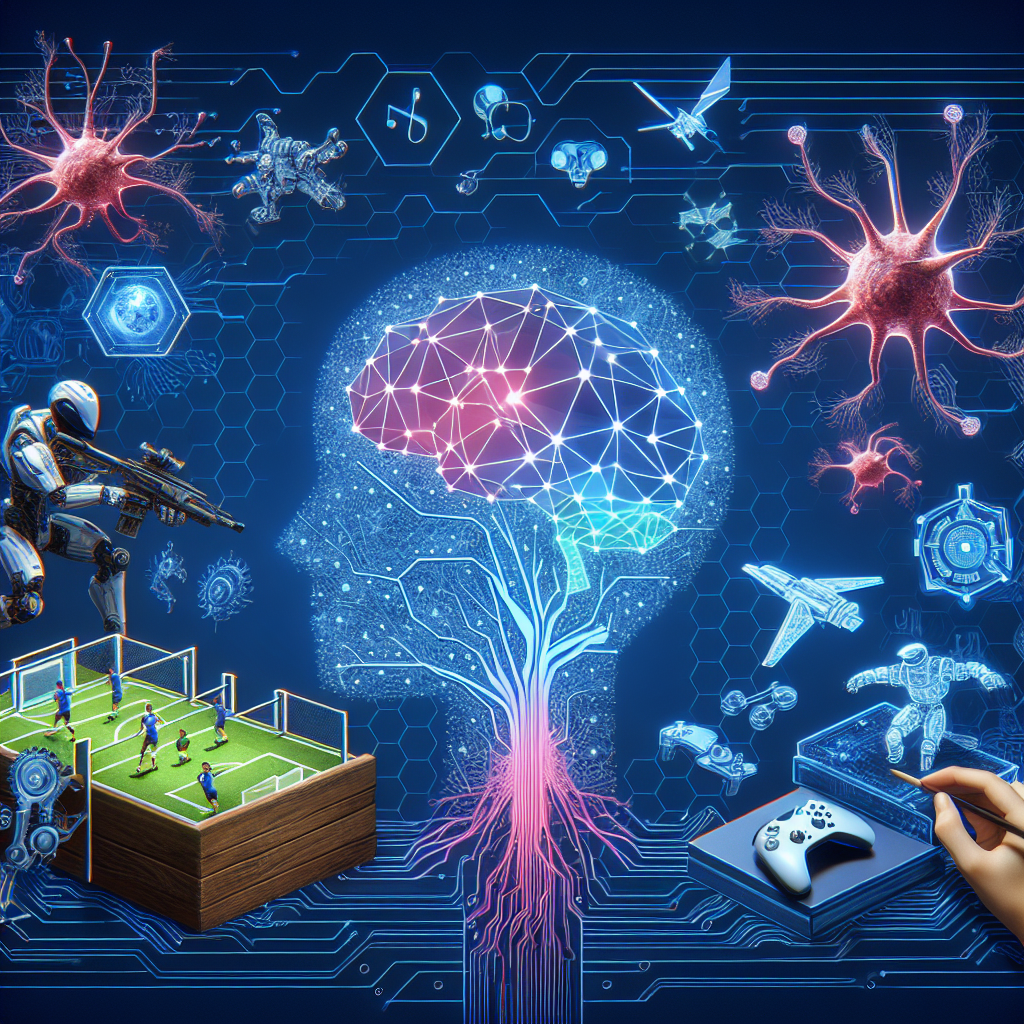
In recent years, artificial intelligence (AI) has made significant advancements in the world of competitive gaming. From improving player performance to enhancing game design and strategy, AI is revolutionizing the landscape of esports and traditional competitive gaming. In this article, we will explore how AI is changing the competitive gaming industry and the implications it has for players, developers, and spectators alike.
AI in Player Performance
One of the most notable ways AI is changing competitive gaming is through its impact on player performance. AI-powered tools and technologies are being used to analyze gameplay data, identify patterns, and provide valuable insights to players looking to improve their skills. For example, AI can analyze a player’s in-game performance and provide personalized feedback on areas for improvement, such as reaction time, decision-making, and strategy.
AI is also being used to develop training programs and simulations that can help players practice and hone their skills in a controlled environment. These training programs can mimic real-game scenarios, allowing players to improve their gameplay without the pressure of competing against real opponents.
Furthermore, AI is being used to develop virtual coaches that can provide real-time feedback and guidance to players during matches. These virtual coaches can analyze the game in real-time, identify key moments and decisions, and provide strategic advice to help players make better choices and ultimately improve their performance.
Overall, AI is playing a crucial role in helping players reach their full potential and elevate their gameplay to new heights in the competitive gaming world.
AI in Game Design and Strategy
In addition to enhancing player performance, AI is also changing the way games are designed and strategized in the competitive gaming industry. AI-powered algorithms are being used to create more dynamic and challenging game environments that adapt to players’ actions in real-time.
For example, AI can be used to design intelligent opponents that can learn and adapt to players’ strategies, making the gameplay more engaging and unpredictable. This can create a more immersive and challenging gaming experience for players, pushing them to think creatively and strategically in order to outsmart their AI opponents.
AI is also being used to develop new game modes and features that enhance the competitive aspect of gaming. For example, AI-powered matchmaking algorithms can pair players with opponents of similar skill levels, creating a more balanced and competitive playing field. Additionally, AI can be used to analyze player behavior and preferences to personalize game experiences and offer tailored challenges and rewards.
Overall, AI is revolutionizing the way games are designed and played in the competitive gaming industry, creating more dynamic and engaging experiences for players and spectators alike.
Implications of AI in Competitive Gaming
The rise of AI in competitive gaming has far-reaching implications for players, developers, and spectators. For players, AI offers exciting opportunities to improve their skills, enhance their gameplay, and compete at a higher level. AI-powered tools and technologies can provide valuable insights and feedback that can help players reach their full potential and achieve success in competitive gaming.
For developers, AI presents new possibilities for creating innovative and immersive game experiences that challenge players and push the boundaries of traditional gameplay. AI-powered algorithms can be used to design more dynamic and engaging game environments, offering players unique challenges and opportunities for strategic thinking.
For spectators, AI is changing the way competitive gaming is experienced and enjoyed. AI-powered analytics and insights can provide viewers with a deeper understanding of the game and its strategies, enhancing the overall viewing experience. Additionally, AI can be used to create more engaging and interactive broadcasts that allow spectators to follow the action in real-time and feel more connected to the gameplay.
Overall, the rise of AI in competitive gaming is reshaping the industry in profound ways, offering new opportunities for players, developers, and spectators to engage with games in exciting and innovative ways.
FAQs
Q: How is AI being used to improve player performance in competitive gaming?
A: AI is being used to analyze gameplay data, provide personalized feedback, develop training programs, and create virtual coaches that can help players improve their skills and performance in competitive gaming.
Q: How is AI changing the way games are designed and strategized in competitive gaming?
A: AI is being used to create more dynamic and challenging game environments, design intelligent opponents, develop new game modes and features, and personalize game experiences for players in the competitive gaming industry.
Q: What are the implications of AI in competitive gaming for players, developers, and spectators?
A: AI offers players opportunities to improve their skills and compete at a higher level, developers new possibilities for creating innovative game experiences, and spectators a more engaging and interactive viewing experience in competitive gaming.
In conclusion, AI is changing the landscape of competitive gaming in profound ways, offering new opportunities for players, developers, and spectators to engage with games in exciting and innovative ways. From improving player performance to enhancing game design and strategy, AI is revolutionizing the competitive gaming industry and shaping its future in exciting and transformative ways.