
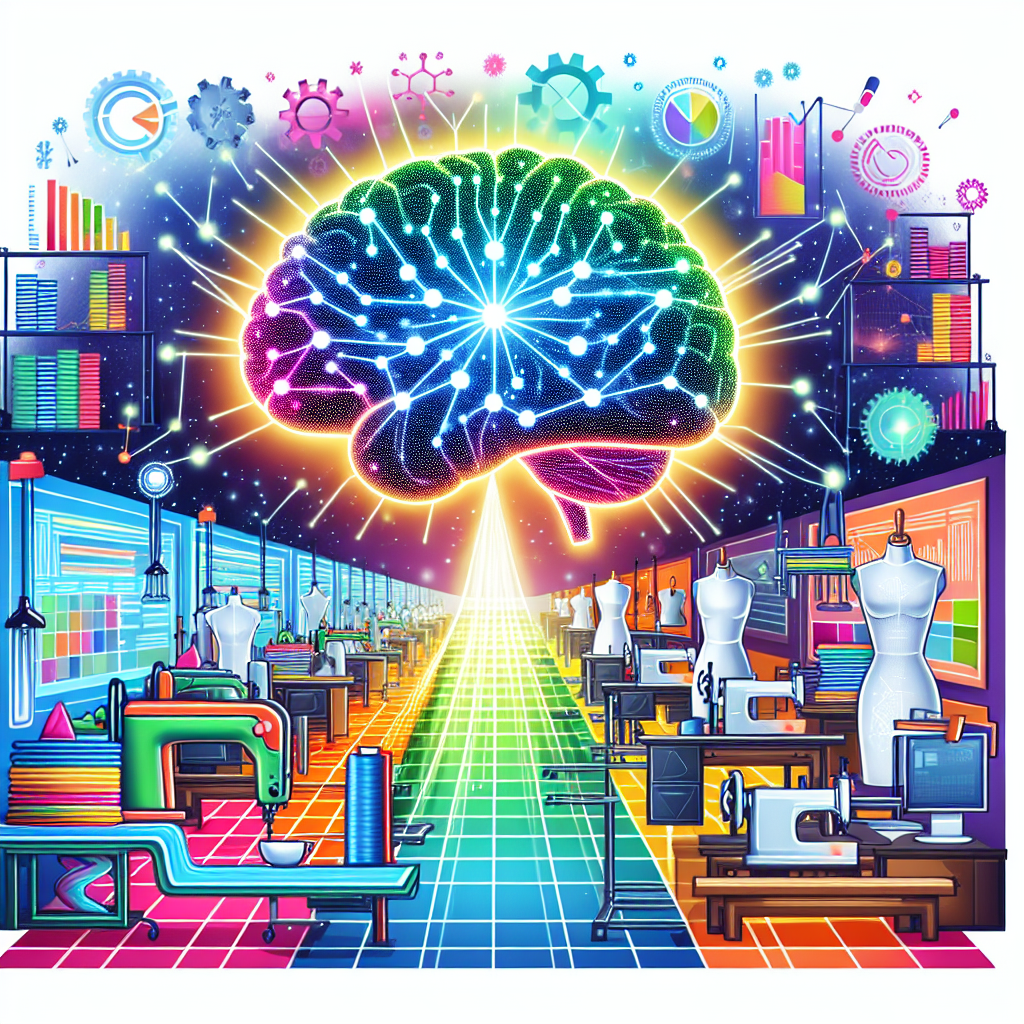
Artificial intelligence (AI) is revolutionizing industries across the board, and the fashion industry is no exception. From design to manufacturing to retail, AI is transforming the way the fashion supply chain operates. By leveraging AI technology, fashion brands and retailers are able to streamline processes, reduce costs, improve efficiency, and ultimately deliver a better customer experience. In this article, we will explore how AI is redefining the fashion supply chain and the benefits it brings to the industry.
1. Design and Trend Forecasting
One of the key areas where AI is making a significant impact in the fashion industry is in design and trend forecasting. AI-powered tools are able to analyze vast amounts of data from social media, online searches, and sales data to identify emerging trends and consumer preferences. This allows designers to create more relevant and targeted collections that resonate with their target audience.
AI can also assist in the design process itself, helping designers to generate new ideas, create patterns, and even produce digital prototypes. This not only accelerates the design process but also reduces the need for physical samples, saving time and resources.
2. Supply Chain Management
AI is also revolutionizing supply chain management in the fashion industry. By analyzing historical data and real-time information, AI-powered systems can optimize inventory levels, predict demand, and identify potential bottlenecks in the supply chain. This allows brands and retailers to better manage their stock, reduce overstocking and understocking, and improve overall efficiency.
AI can also help to improve sustainability in the fashion supply chain by optimizing production processes, reducing waste, and minimizing the environmental impact of manufacturing and distribution.
3. Personalization and Customer Experience
Another way AI is redefining the fashion supply chain is through personalization and customer experience. By analyzing customer data and behavior, AI-powered systems can create personalized recommendations, offer customized products, and provide a more tailored shopping experience for consumers.
AI can also be used to enhance customer service by implementing chatbots and virtual assistants that can provide instant support and assistance to shoppers. This not only improves the overall customer experience but also helps to increase sales and loyalty.
4. Manufacturing and Production
AI is also transforming manufacturing and production in the fashion industry. By automating processes and integrating AI-powered systems, manufacturers can increase efficiency, reduce lead times, and improve quality control. AI-powered machines can also be used to create customized products, such as made-to-measure clothing, at a faster pace and with higher precision.
Through AI, manufacturers can also optimize production schedules, predict maintenance needs, and reduce downtime, ultimately leading to cost savings and improved productivity.
5. Retail and E-Commerce
In the retail and e-commerce sector, AI is redefining the way fashion brands interact with their customers. By analyzing customer data, AI can provide personalized recommendations, create targeted marketing campaigns, and optimize pricing strategies. AI-powered systems can also improve the online shopping experience by offering virtual try-ons, sizing recommendations, and personalized styling advice.
AI can also be used to optimize inventory management, track customer preferences, and predict demand, helping retailers to reduce stockouts, increase sales, and improve overall profitability.
FAQs:
Q: How is AI used in fashion design?
A: AI is used in fashion design to analyze trends, generate new ideas, create patterns, and produce digital prototypes. By leveraging AI-powered tools, designers can streamline the design process, reduce the need for physical samples, and create more targeted collections that resonate with their target audience.
Q: How can AI help with supply chain management in the fashion industry?
A: AI can help with supply chain management in the fashion industry by optimizing inventory levels, predicting demand, identifying bottlenecks, and improving overall efficiency. By analyzing data and real-time information, AI-powered systems can help brands and retailers better manage their stock, reduce waste, and improve sustainability.
Q: How does AI enhance the customer experience in fashion?
A: AI enhances the customer experience in fashion by providing personalized recommendations, customized products, and tailored shopping experiences. By analyzing customer data and behavior, AI-powered systems can create a more engaging and relevant shopping experience for consumers, ultimately leading to increased sales and loyalty.
In conclusion, AI is redefining the fashion supply chain in numerous ways, from design and manufacturing to retail and customer experience. By leveraging AI technology, fashion brands and retailers are able to streamline processes, reduce costs, improve efficiency, and ultimately deliver a better overall experience for their customers. As AI continues to evolve and advance, its impact on the fashion industry is only expected to grow, leading to a more sustainable, efficient, and customer-centric supply chain.