
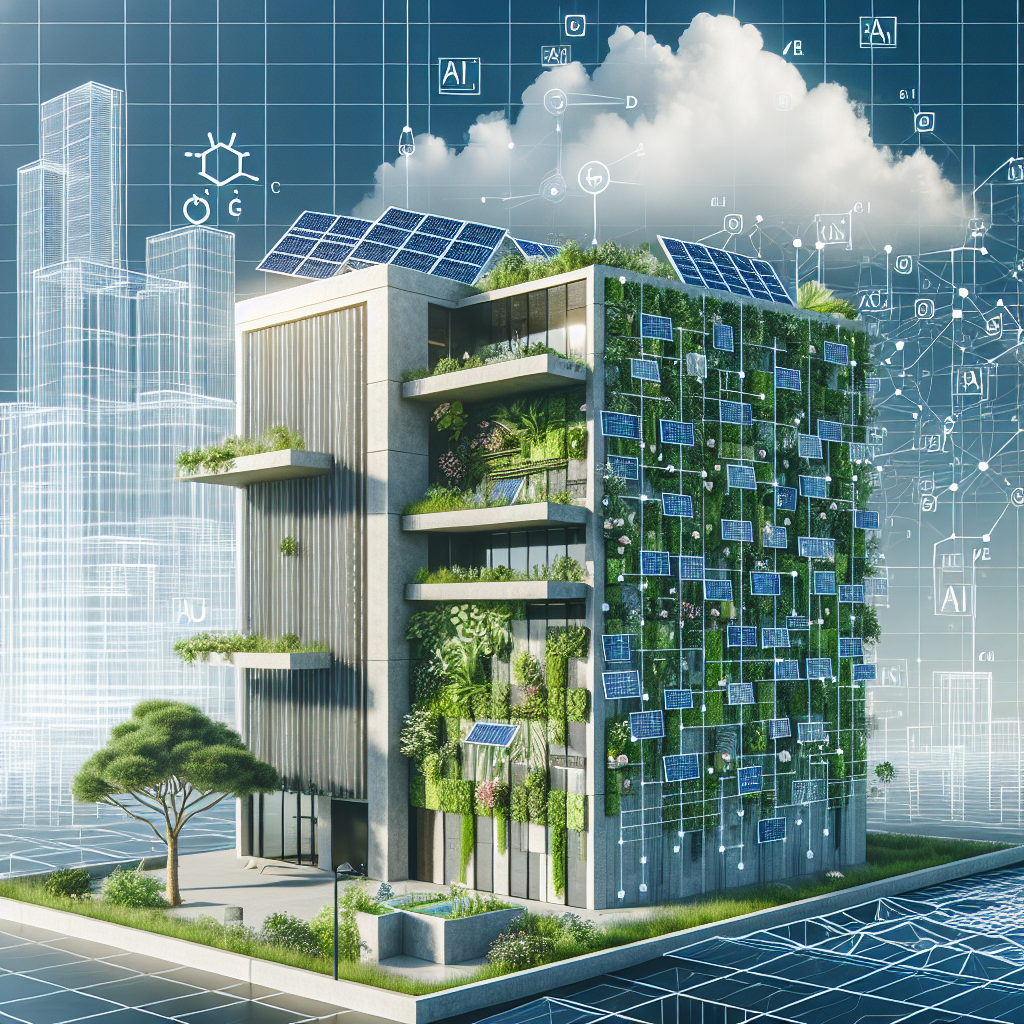
In recent years, the architecture industry has seen a significant shift towards sustainability and green design. With concerns about climate change and the environment at the forefront of global conversations, architects and designers are looking for innovative ways to create buildings that are not only aesthetically pleasing but also environmentally friendly. One of the key technologies driving this trend is artificial intelligence (AI).
AI has the potential to revolutionize the way architects approach sustainable design. By leveraging AI tools and algorithms, architects can optimize building performance, reduce energy consumption, and minimize the environmental impact of their designs. In this article, we will explore how AI is being used in sustainable design in architecture and the benefits it offers to both designers and the environment.
AI for Sustainable Design: An Overview
AI technology encompasses a wide range of tools and algorithms that can be used to analyze data, make predictions, and optimize processes. In the field of architecture, AI is being used to enhance sustainable design practices in several ways:
1. Energy Modeling and Simulation: AI tools can analyze building designs and predict how they will perform in terms of energy consumption and environmental impact. By simulating different design scenarios, architects can optimize their buildings for energy efficiency and sustainability.
2. Daylighting Analysis: AI algorithms can analyze the impact of natural light on building interiors, helping architects design spaces that maximize daylight and reduce the need for artificial lighting. This not only improves energy efficiency but also creates a more comfortable and healthy indoor environment.
3. Material Selection: AI can help architects select sustainable building materials by analyzing their environmental impact, durability, and performance. By choosing materials that are eco-friendly and long-lasting, architects can reduce the carbon footprint of their projects.
4. Parametric Design: AI tools can generate complex and innovative design solutions that optimize for sustainability. By using parametric design algorithms, architects can explore a wide range of design options and select the most efficient and environmentally friendly solutions.
5. Building Performance Optimization: AI can continuously monitor building performance and adjust systems in real-time to maximize energy efficiency and occupant comfort. By using AI-powered building management systems, architects can create buildings that are responsive to changing environmental conditions.
Benefits of Leveraging AI for Sustainable Design
There are several key benefits to leveraging AI for sustainable design in architecture:
1. Improved Energy Efficiency: By using AI tools to analyze building designs and optimize energy consumption, architects can create buildings that are more energy-efficient and environmentally friendly. This not only reduces operating costs but also lowers carbon emissions and contributes to a more sustainable built environment.
2. Cost Savings: Sustainable design practices often result in long-term cost savings for building owners and occupants. By using AI to optimize building performance and reduce energy consumption, architects can create buildings that are more cost-effective to operate and maintain.
3. Enhanced Design Creativity: AI tools can help architects explore new design possibilities and innovative solutions that optimize for sustainability. By using AI algorithms to generate design options, architects can push the boundaries of traditional design practices and create buildings that are both beautiful and environmentally friendly.
4. Real-time Monitoring and Control: AI-powered building management systems can continuously monitor building performance and adjust systems in real-time to maximize energy efficiency and occupant comfort. This level of control and optimization is not possible with traditional building management systems and can significantly enhance the sustainability of a building.
5. Reduced Environmental Impact: By using AI to analyze building designs, select sustainable materials, and optimize building performance, architects can minimize the environmental impact of their projects. This is crucial in the fight against climate change and the preservation of our planet for future generations.
FAQs
Q: How does AI help architects design more sustainable buildings?
A: AI tools can analyze building designs, predict energy consumption, optimize building performance, and select sustainable materials, helping architects create buildings that are more energy-efficient and environmentally friendly.
Q: Can AI help reduce the carbon footprint of buildings?
A: Yes, by optimizing building performance, selecting sustainable materials, and reducing energy consumption, AI can help architects design buildings with a lower carbon footprint.
Q: What are some examples of AI tools used in sustainable design?
A: Energy modeling and simulation tools, daylighting analysis algorithms, parametric design software, and building management systems powered by AI are some examples of tools used in sustainable design.
Q: How can AI benefit building owners and occupants?
A: AI-powered building management systems can reduce operating costs, improve occupant comfort, and enhance overall building performance, benefiting both owners and occupants.
Q: Is AI technology accessible to all architects and designers?
A: While AI technology is becoming more accessible, there are still barriers to entry for some architects and designers. However, as the technology continues to evolve, it is likely to become more widely available to the industry.
In conclusion, leveraging AI for sustainable design in architecture offers a wide range of benefits, from improved energy efficiency to cost savings and reduced environmental impact. By using AI tools and algorithms to optimize building performance, select sustainable materials, and create innovative design solutions, architects can create buildings that are not only aesthetically pleasing but also environmentally friendly. As AI technology continues to develop, it is likely to play an increasingly important role in shaping the future of sustainable design in architecture.