
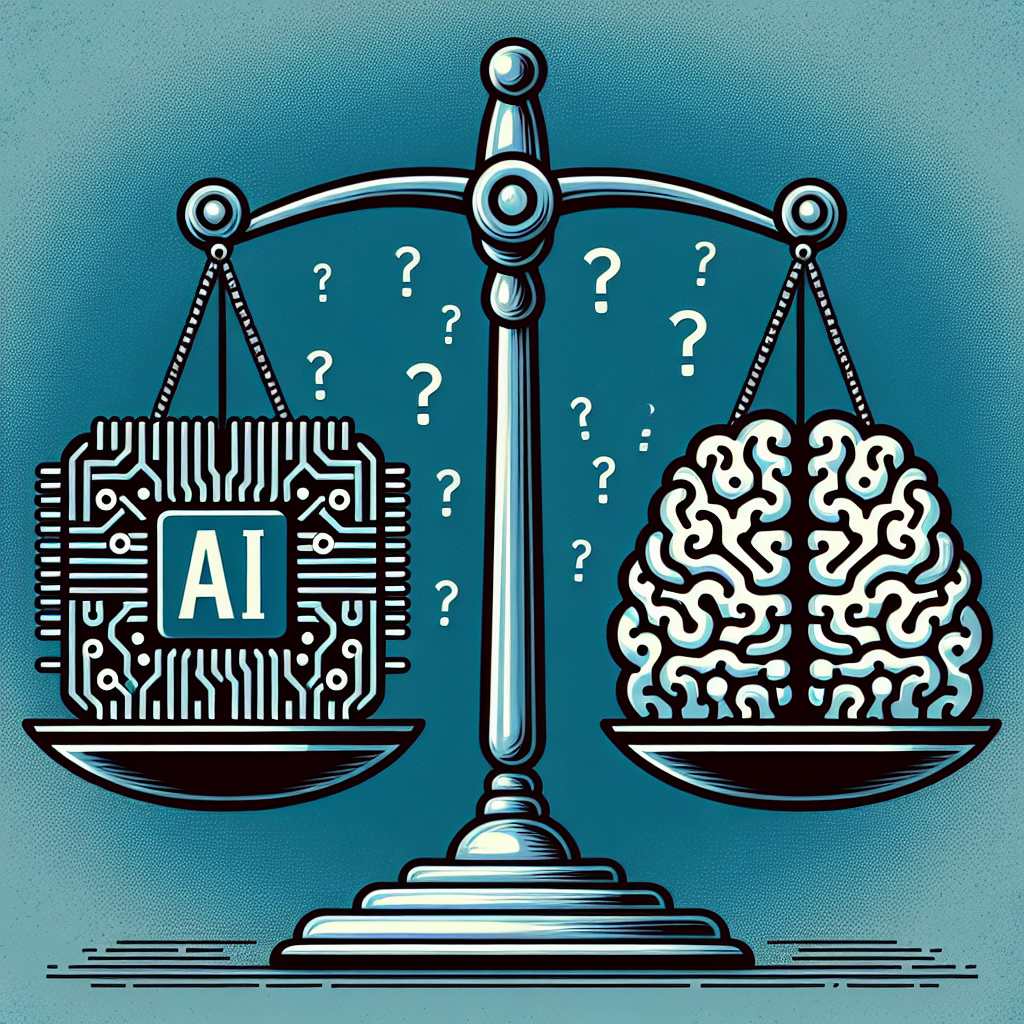
In recent years, the rise of artificial intelligence (AI) has brought about significant advancements in various industries, from healthcare to finance to transportation. AI has the potential to revolutionize decision-making processes by analyzing large amounts of data, identifying patterns, and making predictions with a level of accuracy that surpasses human capabilities. However, as AI becomes more integrated into our daily lives, it raises important ethical questions about how these decisions are made and the potential consequences they may have.
The Ethics of AI in Decision-making
One of the key ethical considerations surrounding AI in decision-making is transparency. AI algorithms are often complex and opaque, making it difficult for users to understand how decisions are being made. This lack of transparency can lead to bias and discrimination, as algorithms may be inadvertently programmed to favor certain groups or outcomes. For example, in the criminal justice system, AI algorithms used to predict recidivism rates have been shown to have racial biases, leading to unfair treatment of minority groups.
Another ethical concern is accountability. Who is responsible when an AI system makes a mistake or causes harm? Unlike human decision-makers, AI systems do not have the ability to understand the consequences of their actions or be held accountable for them. This raises questions about liability and the need for clear guidelines on who should be held responsible for the actions of AI systems.
Privacy is also a significant ethical issue when it comes to AI decision-making. AI algorithms often rely on large amounts of data to make decisions, raising concerns about data privacy and security. In some cases, sensitive personal information may be used without consent or proper safeguards in place, leading to violations of privacy rights.
Furthermore, there are concerns about the impact of AI on jobs and the economy. As AI becomes more advanced, there is the potential for widespread job displacement as machines take over tasks traditionally performed by humans. This could exacerbate income inequality and lead to social unrest if not managed properly.
Overall, the ethical implications of AI in decision-making are complex and multifaceted. It is crucial for policymakers, industry leaders, and researchers to address these issues proactively to ensure that AI is used responsibly and ethically.
FAQs
Q: Is AI biased?
A: AI algorithms can be biased if they are trained on biased data or programmed with biased assumptions. It is important for developers to be aware of potential biases and take steps to mitigate them.
Q: Can AI make ethical decisions?
A: AI systems can be programmed to follow ethical guidelines and principles, but they do not have the ability to make ethical decisions in the same way that humans do. Ethical decision-making requires empathy, moral reasoning, and an understanding of the consequences of one’s actions, which AI systems lack.
Q: How can we ensure that AI decisions are ethical?
A: One way to ensure that AI decisions are ethical is to incorporate ethical guidelines and principles into the design and development of AI systems. This includes transparency, accountability, privacy protections, and mechanisms for addressing bias.
Q: What are some examples of unethical uses of AI in decision-making?
A: Some examples of unethical uses of AI in decision-making include using AI to discriminate against certain groups, violate privacy rights, or make decisions that harm individuals without their consent. It is important for developers and users to be aware of these risks and take steps to prevent them.
Q: What role does regulation play in ensuring ethical AI decision-making?
A: Regulation can play a critical role in ensuring that AI is used responsibly and ethically. By establishing clear guidelines and standards for the development and deployment of AI systems, regulators can help mitigate risks and protect individuals’ rights.
In conclusion, the ethics of AI in decision-making are complex and multifaceted. It is important for developers, policymakers, and users to be aware of the potential ethical implications of AI systems and take steps to address them proactively. By incorporating ethical guidelines and principles into the design and deployment of AI systems, we can ensure that AI is used responsibly and ethically for the benefit of society as a whole.