
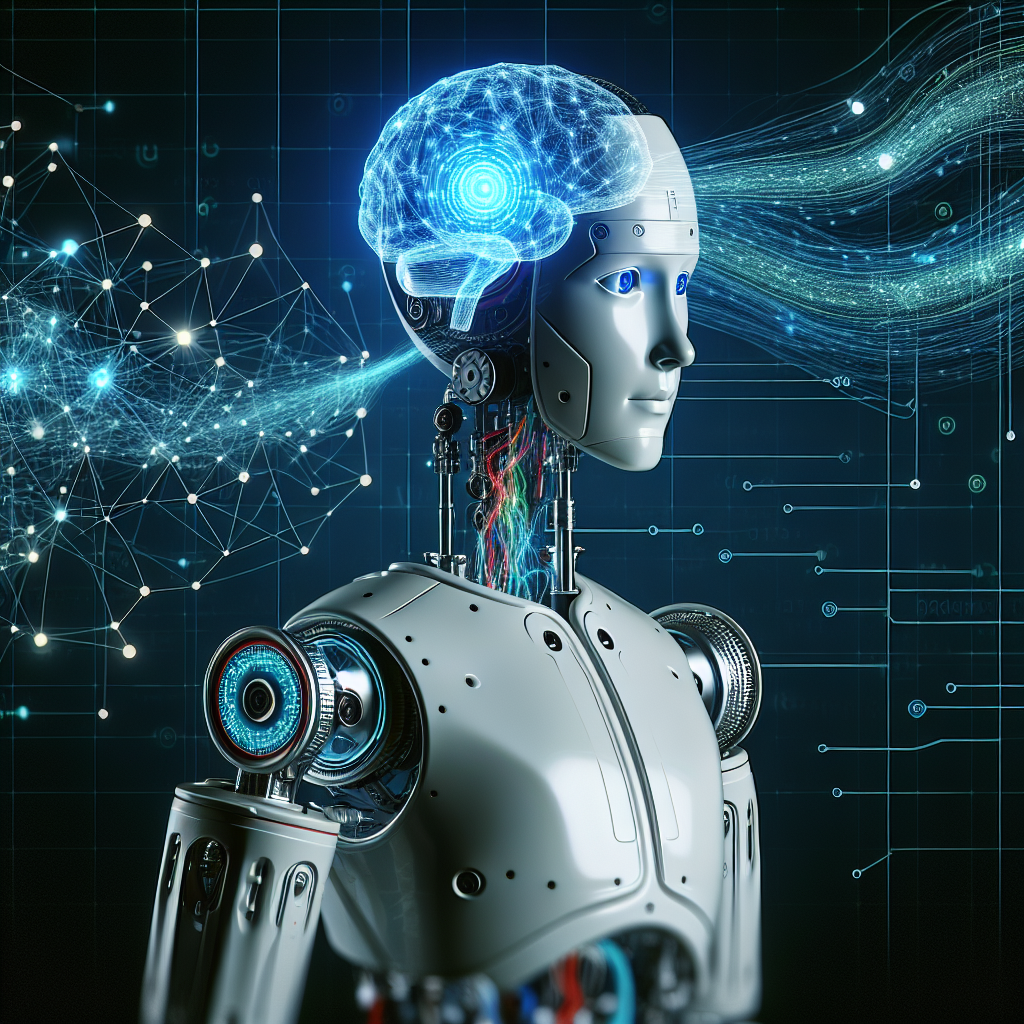
The Future of AI Integration in Robotics
Artificial Intelligence (AI) has been making significant advancements in recent years, and its integration into robotics is transforming the way we interact with machines. From manufacturing to healthcare to transportation, AI-powered robots are becoming more prevalent in various industries, promising increased efficiency, productivity, and safety. As AI continues to evolve, the future of AI integration in robotics looks promising, with endless possibilities for innovation and growth.
One of the key drivers of AI integration in robotics is the ability to enhance automation and autonomy. AI algorithms allow robots to learn from their environment, make decisions, and adapt to changing conditions in real-time. This level of autonomy is crucial for robots to perform complex tasks and navigate unpredictable environments with ease. As AI continues to improve, robots will become more intelligent, capable of learning new tasks on their own, and collaborating with humans in a more seamless manner.
Another important aspect of AI integration in robotics is the ability to enhance human-robot interaction. AI-powered robots can understand and respond to human gestures, speech, and emotions, making them more intuitive and user-friendly. This opens up new possibilities for robots to work alongside humans in a collaborative manner, rather than simply replacing them. In healthcare, for example, AI-powered robots can assist doctors in surgery, provide personalized care to patients, and even offer emotional support.
AI integration in robotics also has the potential to revolutionize the manufacturing industry. AI algorithms can optimize production processes, predict maintenance needs, and improve quality control, leading to higher efficiency and lower costs. Robots equipped with AI can work alongside human workers in factories, increasing productivity and safety. As AI continues to advance, we can expect to see more innovative solutions in manufacturing, such as self-driving forklifts and robotic assembly lines.
In the transportation industry, AI integration in robotics is paving the way for autonomous vehicles and drones. AI algorithms allow these vehicles to navigate complex environments, avoid obstacles, and make split-second decisions to ensure safety. Autonomous vehicles powered by AI have the potential to revolutionize transportation, reducing traffic congestion, accidents, and emissions. Drones equipped with AI can be used for various applications, such as delivering packages, monitoring crops, and conducting search and rescue missions.
As AI integration in robotics continues to evolve, there are several challenges that need to be addressed. One of the main challenges is ensuring the ethical and responsible use of AI-powered robots. As robots become more intelligent and autonomous, there is a need to establish guidelines and regulations to ensure that they are used in a safe and ethical manner. Additionally, there are concerns about the potential impact of AI on the job market, as robots may replace human workers in certain industries. It is important to address these concerns and ensure that AI integration in robotics benefits society as a whole.
Despite these challenges, the future of AI integration in robotics looks promising, with endless possibilities for innovation and growth. As AI continues to advance, we can expect to see more intelligent, autonomous, and collaborative robots in various industries. From healthcare to manufacturing to transportation, AI-powered robots have the potential to revolutionize the way we work and live. The future of AI integration in robotics is bright, and we can expect to see more exciting developments in the years to come.
FAQs
1. What is the role of AI in robotics?
AI plays a crucial role in robotics by enabling robots to learn from their environment, make decisions, and adapt to changing conditions in real-time. AI algorithms allow robots to perform complex tasks, navigate unpredictable environments, and interact with humans in a more intuitive manner.
2. How can AI-powered robots benefit industries?
AI-powered robots can benefit industries by increasing efficiency, productivity, and safety. In manufacturing, AI algorithms can optimize production processes, predict maintenance needs, and improve quality control. In healthcare, AI-powered robots can assist doctors in surgery, provide personalized care to patients, and offer emotional support. In transportation, AI-powered robots can navigate complex environments, avoid obstacles, and ensure safety.
3. What are the challenges of AI integration in robotics?
One of the main challenges of AI integration in robotics is ensuring the ethical and responsible use of AI-powered robots. There are also concerns about the potential impact of AI on the job market, as robots may replace human workers in certain industries. It is important to address these challenges and establish guidelines and regulations to ensure that AI integration in robotics benefits society as a whole.
4. What are the future possibilities of AI integration in robotics?
The future possibilities of AI integration in robotics are endless. As AI continues to advance, we can expect to see more intelligent, autonomous, and collaborative robots in various industries. From healthcare to manufacturing to transportation, AI-powered robots have the potential to revolutionize the way we work and live. The future of AI integration in robotics is bright, and we can expect to see more exciting developments in the years to come.