
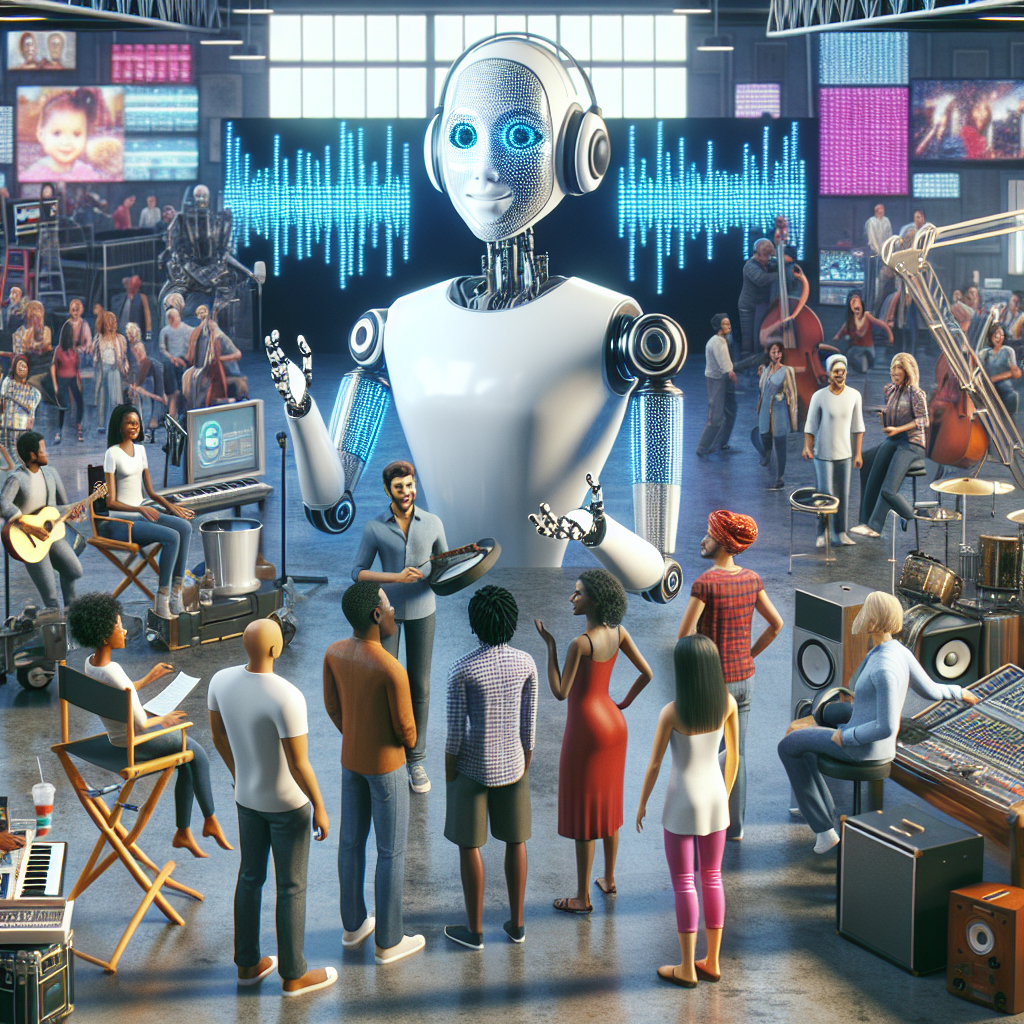
The entertainment industry has always been at the forefront of adopting new technologies to enhance the experience of consumers. From the introduction of sound in films to the rise of streaming services, the industry is constantly evolving to meet the changing demands of audiences. One of the most recent advancements in this space is the integration of conversational AI technology, which is revolutionizing the way entertainment content is created, distributed, and consumed.
Conversational AI, also known as chatbots or virtual assistants, are computer programs designed to simulate natural human conversation. These AI-powered systems can understand and respond to user queries in real-time, making them an invaluable tool for engaging with audiences in the entertainment industry. Whether it’s recommending movies, answering questions about a TV show, or providing personalized content suggestions, conversational AI is changing the way we interact with entertainment content.
One of the key benefits of conversational AI in the entertainment industry is its ability to personalize the user experience. By analyzing user data and preferences, AI-powered chatbots can recommend content that is tailored to individual tastes, helping consumers discover new movies, TV shows, music, and more. This level of personalization not only enhances the user experience but also increases engagement and loyalty, leading to higher customer retention rates.
Another advantage of conversational AI in the entertainment industry is its ability to streamline content distribution and discovery. With the rise of streaming services and the sheer volume of content available online, it can be overwhelming for consumers to find what they’re looking for. AI-powered chatbots can help users navigate through this vast sea of content by providing personalized recommendations, search results, and even answering questions about specific titles. This not only improves the user experience but also increases the visibility of content, helping producers and distributors reach a wider audience.
In addition to content discovery, conversational AI is also revolutionizing the way entertainment content is created. AI-powered systems can analyze user feedback and trends to help producers and creators understand what audiences want, leading to the development of more relevant and engaging content. From scriptwriting to casting decisions, AI can provide valuable insights that can help improve the quality of entertainment content and increase its chances of success.
Furthermore, conversational AI is also being used to enhance the interactive elements of entertainment experiences. Virtual assistants can be integrated into live events, video games, and other interactive content to provide real-time feedback, guidance, and assistance to users. This creates a more immersive and engaging experience for audiences, making them feel more connected to the content and the creators.
Overall, the future of conversational AI in the entertainment industry is bright, with endless possibilities for innovation and growth. As technology continues to advance, we can expect to see even more sophisticated AI-powered systems that can deliver more personalized, interactive, and engaging experiences for consumers. From personalized content recommendations to interactive storytelling, conversational AI is transforming the way we experience entertainment.
FAQs:
Q: How does conversational AI work in the entertainment industry?
A: Conversational AI in the entertainment industry works by using natural language processing algorithms to understand and respond to user queries. These AI-powered systems can analyze user data and preferences to provide personalized content recommendations, answer questions about specific titles, and enhance the overall user experience.
Q: What are some examples of conversational AI in the entertainment industry?
A: Some examples of conversational AI in the entertainment industry include virtual assistants on streaming platforms like Netflix and Hulu, chatbots on social media platforms like Facebook and Twitter, and interactive storytelling experiences in video games and live events.
Q: How is conversational AI changing the way entertainment content is created?
A: Conversational AI is changing the way entertainment content is created by providing valuable insights and feedback to producers and creators. AI-powered systems can analyze user data and trends to help understand what audiences want, leading to the development of more relevant and engaging content.
Q: What are some of the benefits of using conversational AI in the entertainment industry?
A: Some benefits of using conversational AI in the entertainment industry include personalized content recommendations, streamlined content distribution and discovery, enhanced interactive experiences, and improved audience engagement and loyalty.
Q: What can we expect to see in the future of conversational AI in the entertainment industry?
A: In the future, we can expect to see even more sophisticated AI-powered systems that can deliver more personalized, interactive, and engaging experiences for consumers. From personalized content recommendations to interactive storytelling, conversational AI is set to revolutionize the way we experience entertainment content.