
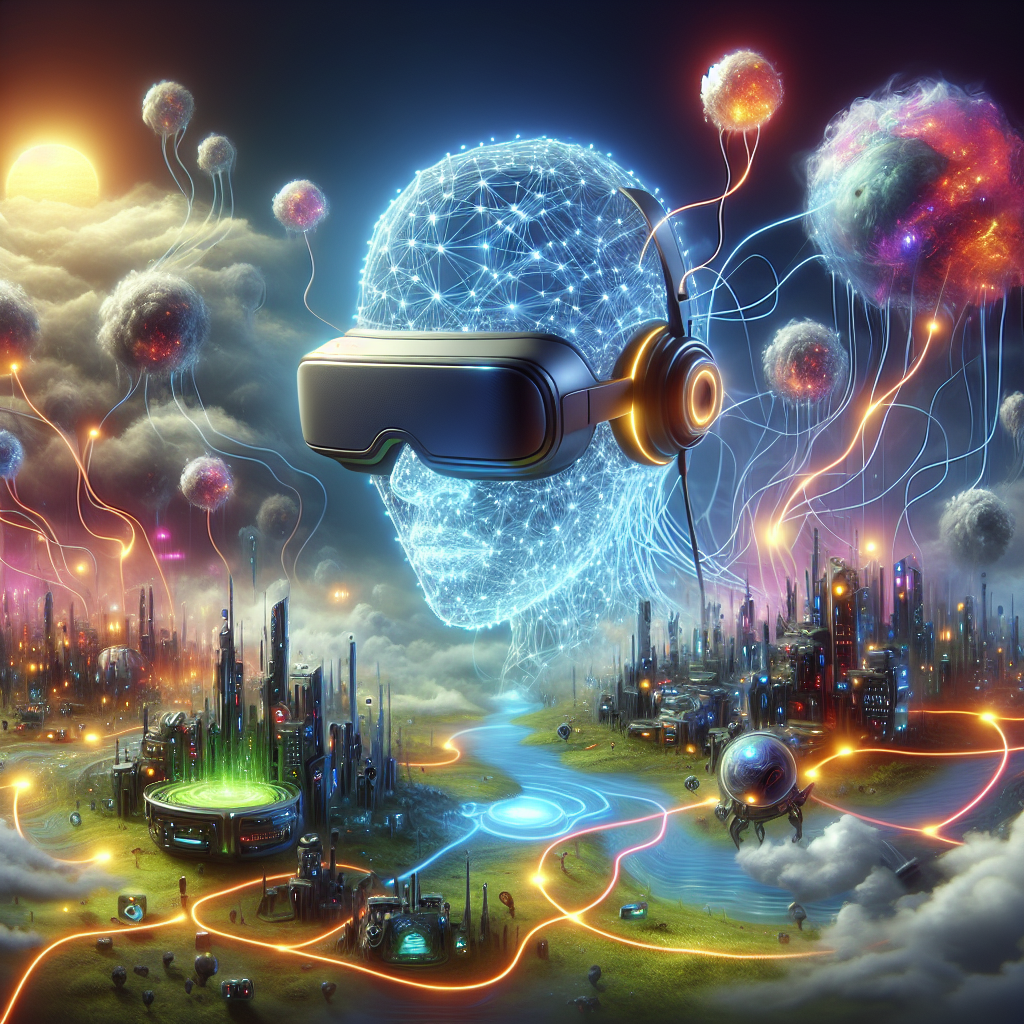
The Future of Gaming: AI-Powered Virtual Worlds
Gaming has come a long way from the simple pixelated graphics and basic gameplay of the past. With advancements in technology, gaming has evolved into immersive, realistic experiences that transport players to virtual worlds that feel almost indistinguishable from reality. The future of gaming is set to be even more groundbreaking with the integration of artificial intelligence (AI) into virtual worlds.
AI-powered virtual worlds are poised to revolutionize the gaming industry, offering players unprecedented levels of realism, customization, and interactivity. From dynamic and intelligent virtual characters to procedurally generated environments, AI-driven gaming experiences will push the boundaries of what is possible in gaming. In this article, we will explore the potential of AI-powered virtual worlds and how they will shape the future of gaming.
Enhanced Realism and Immersion
One of the key benefits of AI-powered virtual worlds is the enhanced realism and immersion they offer players. AI technology allows for more dynamic and realistic virtual characters that can adapt to player actions and make decisions based on complex algorithms. This means that players will no longer be limited to scripted interactions with non-player characters (NPCs) but will instead have the opportunity to engage with intelligent and lifelike virtual beings.
Additionally, AI can be used to create procedurally generated environments that evolve and change based on player behavior. This means that each playthrough of a game can offer a unique and unpredictable experience, keeping players engaged and immersed in the virtual world. By leveraging AI technology, developers can create virtual worlds that feel truly alive and responsive to player actions, blurring the lines between reality and fantasy.
Customized Gameplay Experiences
AI-powered virtual worlds also have the potential to offer players highly customized gameplay experiences. By analyzing player behavior and preferences, AI algorithms can tailor the game experience to suit individual preferences, providing a personalized and engaging experience for each player. This level of customization can lead to more meaningful and rewarding gameplay experiences, as players are presented with challenges and opportunities that are uniquely suited to their play style.
Furthermore, AI can be used to create more dynamic and adaptive game worlds that respond to player choices in real-time. This means that players will have the power to shape the virtual world around them, influencing the narrative and outcomes of their actions. By empowering players to have a greater impact on the game world, AI-powered virtual worlds can offer a level of agency and freedom that is unprecedented in gaming.
Social Interactions and Community Building
AI-powered virtual worlds also have the potential to enhance social interactions and community building within games. By creating intelligent and responsive virtual characters, players can engage in more meaningful and immersive interactions with NPCs and other players. This can lead to deeper connections and relationships within the game world, fostering a sense of community and camaraderie among players.
Additionally, AI can be used to create more dynamic and engaging multiplayer experiences, where players can collaborate with or compete against intelligent virtual beings. This can lead to more challenging and rewarding gameplay experiences, as players are pitted against opponents who can adapt to their strategies and tactics. By leveraging AI technology, developers can create virtual worlds that are not only immersive and realistic but also socially engaging and interactive.
Challenges and Ethical Considerations
While the potential of AI-powered virtual worlds is vast, there are also challenges and ethical considerations that must be addressed. One of the key concerns is the potential for AI to perpetuate bias and discrimination within virtual worlds. AI algorithms are designed to learn from data and make decisions based on patterns, which can lead to the replication of existing biases and prejudices. Developers must be vigilant in ensuring that AI-powered virtual worlds are inclusive and equitable, and that algorithms are designed to mitigate bias and promote diversity.
Another challenge is the potential for AI to infringe on player privacy and autonomy. AI algorithms can collect and analyze vast amounts of data on player behavior and preferences, which raises concerns about data privacy and surveillance. Developers must be transparent about how data is collected and used within virtual worlds, and must provide players with the tools to control and protect their personal information.
Furthermore, there are ethical considerations around the use of AI in creating realistic and immersive virtual characters. As AI technology advances, developers may be able to create virtual beings that are indistinguishable from humans, raising questions about the rights and treatment of these virtual entities. Developers must consider the ethical implications of creating lifelike virtual characters, and must ensure that players are aware of the artificial nature of these beings.
FAQs
Q: Will AI-powered virtual worlds replace traditional gaming experiences?
A: While AI-powered virtual worlds offer unique and immersive gameplay experiences, they are unlikely to replace traditional gaming experiences completely. Traditional games will continue to have a place in the gaming industry, offering different types of gameplay and experiences that may not be possible in AI-powered virtual worlds.
Q: How will AI-powered virtual worlds impact game development?
A: AI-powered virtual worlds will require developers to have a deep understanding of AI technology and algorithms, as well as the ability to create dynamic and responsive game worlds. Developers will need to adapt their design and development processes to leverage AI technology effectively, which may require new skills and expertise.
Q: What are the potential risks of AI-powered virtual worlds?
A: There are several potential risks associated with AI-powered virtual worlds, including the perpetuation of bias and discrimination, invasion of player privacy, and ethical concerns around the creation of lifelike virtual characters. Developers must be vigilant in addressing these risks and ensuring that AI-powered virtual worlds are designed and implemented responsibly.
In conclusion, AI-powered virtual worlds have the potential to revolutionize the gaming industry, offering players unprecedented levels of realism, customization, and interactivity. By leveraging AI technology, developers can create immersive and dynamic game experiences that push the boundaries of what is possible in gaming. While there are challenges and ethical considerations to address, the future of gaming looks brighter and more exciting than ever with the integration of AI into virtual worlds.