
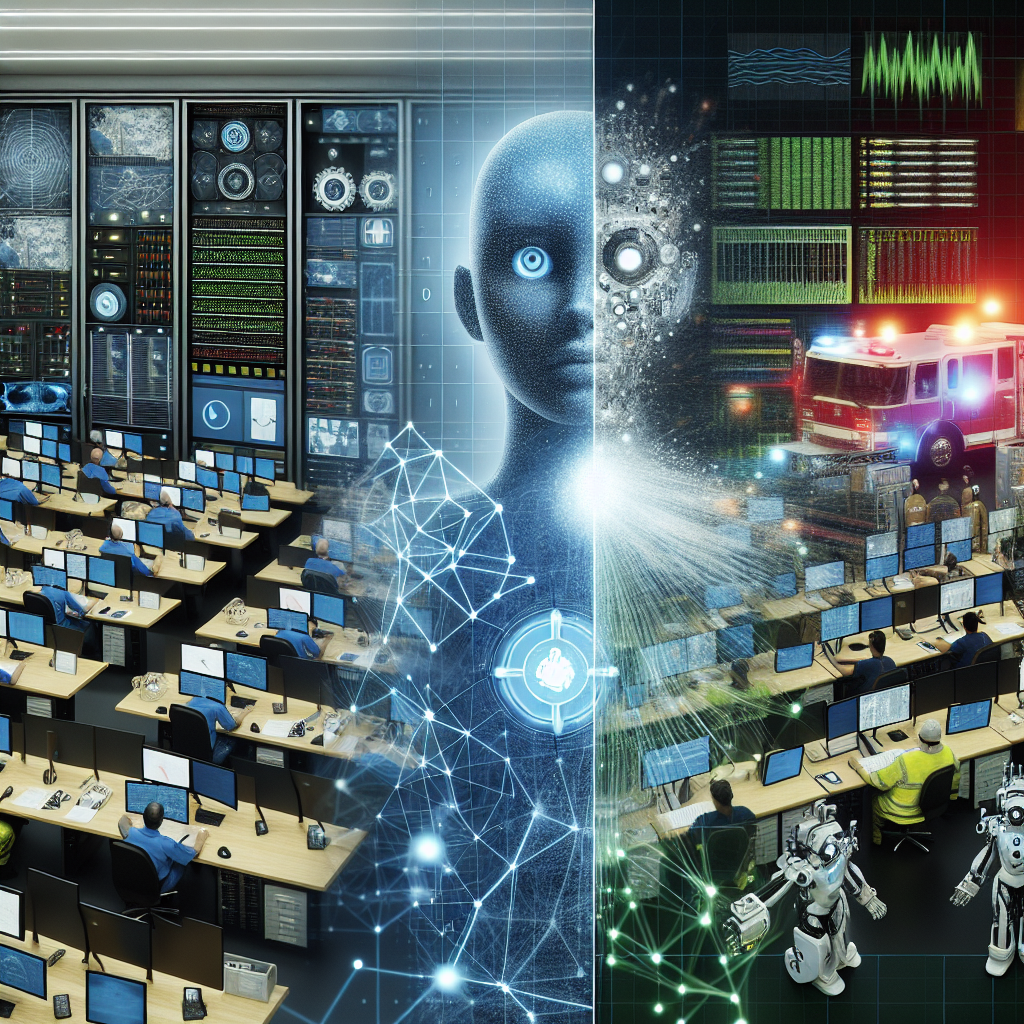
Artificial Intelligence (AI) has become an integral part of many industries, including public safety and emergency response. The deployment of AI technology in these areas has had a significant impact on how organizations respond to emergencies, prevent crimes, and ensure the safety of the public. In this article, we will explore the various ways in which AI deployment has influenced public safety and emergency response, as well as address some frequently asked questions about the topic.
Impact of AI Deployment on Public Safety and Emergency Response
1. Predictive Policing:
One of the key areas where AI has had a significant impact on public safety is in predictive policing. AI algorithms can analyze vast amounts of data to predict where crimes are likely to occur, allowing law enforcement agencies to allocate resources more effectively and prevent crimes before they happen. This has led to a reduction in crime rates in many cities and has helped law enforcement agencies to better protect their communities.
2. Emergency Response:
AI technology has also improved emergency response times and effectiveness. For example, AI-powered dispatch systems can analyze emergency calls and prioritize them based on the severity of the situation, leading to faster response times and potentially saving lives. Additionally, AI can be used to analyze real-time data from various sources, such as social media or traffic cameras, to provide emergency responders with up-to-date information about the situation on the ground.
3. Video Surveillance:
AI-powered video surveillance systems have revolutionized the way public spaces are monitored for potential threats. These systems can automatically detect and alert authorities to suspicious behavior, unauthorized access, or other potential security risks. This has made it easier for law enforcement agencies to monitor large areas and respond quickly to potential threats, enhancing public safety.
4. Natural Disaster Response:
AI technology has also been used to improve natural disaster response efforts. For example, AI algorithms can analyze satellite imagery to assess the extent of damage caused by a natural disaster and prioritize rescue and relief efforts accordingly. Additionally, AI-powered drones can be used to survey affected areas and locate survivors in need of assistance, helping to expedite the response and recovery process.
5. Communication and Coordination:
AI technology has also improved communication and coordination among emergency responders. For example, AI-powered chatbots can provide real-time updates and information to emergency responders, helping them to make more informed decisions during a crisis. Additionally, AI algorithms can analyze data from multiple sources to provide a comprehensive view of the situation, allowing responders to coordinate their efforts more effectively.
FAQs:
Q: How is AI used in emergency response?
A: AI is used in emergency response in various ways, such as predictive policing, emergency dispatch systems, video surveillance, natural disaster response, and communication and coordination among emergency responders.
Q: Can AI help prevent crimes?
A: Yes, AI can help prevent crimes by analyzing data to predict where crimes are likely to occur, allowing law enforcement agencies to allocate resources more effectively and prevent crimes before they happen.
Q: How does AI improve emergency response times?
A: AI improves emergency response times by analyzing emergency calls and prioritizing them based on the severity of the situation, providing real-time updates and information to emergency responders, and coordinating their efforts more effectively.
Q: How is AI used in natural disaster response?
A: AI is used in natural disaster response to analyze satellite imagery, assess the extent of damage caused by a natural disaster, prioritize rescue and relief efforts, and locate survivors in need of assistance.
Q: Can AI help improve communication among emergency responders?
A: Yes, AI can help improve communication among emergency responders by providing real-time updates and information, analyzing data from multiple sources to provide a comprehensive view of the situation, and coordinating their efforts more effectively.
In conclusion, the deployment of AI technology has had a significant impact on public safety and emergency response. From predictive policing to natural disaster response, AI has revolutionized the way organizations respond to emergencies, prevent crimes, and ensure the safety of the public. As AI technology continues to evolve, we can expect to see even more advancements in public safety and emergency response, ultimately leading to safer and more secure communities.