
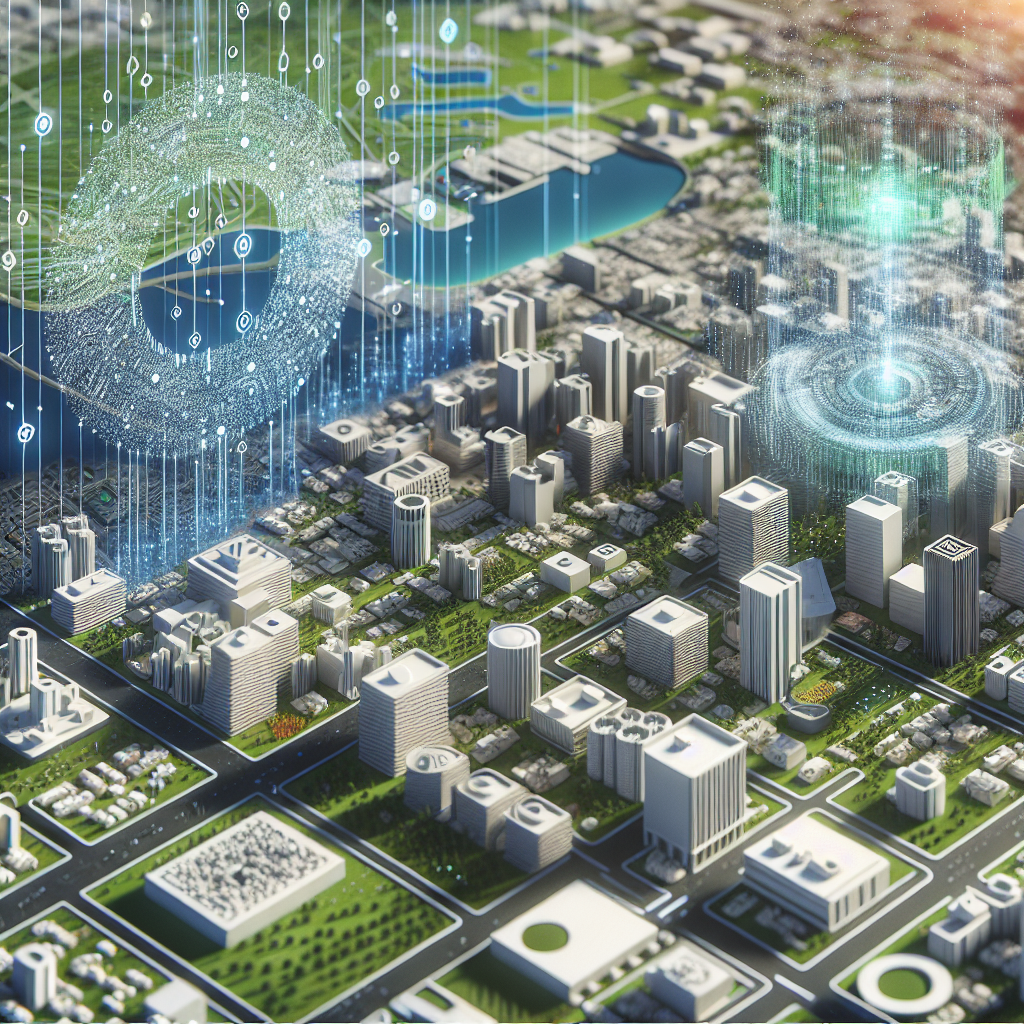
Artificial Intelligence (AI) has become increasingly integrated into various aspects of our daily lives, from personalized recommendations on streaming services to voice-activated virtual assistants. But beyond the realm of consumer technology, AI is also making its mark on urban planning and sustainable development.
The deployment of AI in urban planning has the potential to revolutionize the way cities are designed, managed, and developed. By harnessing the power of AI, urban planners can analyze vast amounts of data to gain insights into traffic patterns, air quality, energy consumption, and more. This data-driven approach allows for more informed decision-making, leading to more efficient and sustainable urban development.
One of the key impacts of AI deployment on urban planning is its ability to optimize transportation systems. AI-powered algorithms can analyze real-time data from sensors and cameras to predict traffic flow, optimize traffic signals, and even suggest alternative transportation routes. This not only helps reduce congestion and emissions but also improves overall mobility and accessibility within cities.
AI can also play a significant role in improving energy efficiency and reducing environmental impact in urban areas. By analyzing data on energy consumption, building performance, and weather patterns, AI can help optimize energy usage, identify areas for energy savings, and even predict potential energy grid failures. This can lead to significant cost savings for cities and a reduced carbon footprint.
In addition to transportation and energy, AI can also be used to enhance public safety and security in urban areas. By analyzing data from surveillance cameras, social media, and other sources, AI can help identify potential security threats, predict crime hotspots, and even aid in emergency response efforts. This can help make cities safer and more resilient to various threats.
Furthermore, AI can also be used to improve urban governance and citizen engagement. By analyzing data on citizen feedback, social media sentiment, and other sources, AI can help city officials better understand the needs and preferences of their residents. This can lead to more responsive and inclusive decision-making processes, ultimately enhancing the quality of life for urban dwellers.
Despite the numerous benefits of AI deployment in urban planning, there are also challenges and concerns that need to be addressed. One of the main concerns is the potential for bias in AI algorithms, which can lead to unfair or discriminatory outcomes. It is essential for urban planners to ensure that AI systems are transparent, accountable, and free from bias to avoid perpetuating existing social inequalities.
Another challenge is the issue of data privacy and security. AI systems rely on large amounts of data to function effectively, raising concerns about the privacy of personal information and the potential for data breaches. Urban planners must implement robust data protection measures and adhere to strict privacy regulations to ensure the responsible use of AI in urban planning.
In conclusion, the deployment of AI in urban planning has the potential to transform cities into more efficient, sustainable, and livable spaces. By harnessing the power of AI to analyze data, optimize systems, and enhance decision-making processes, urban planners can create cities that are smarter, safer, and more responsive to the needs of their residents. However, it is crucial for urban planners to address the challenges and concerns associated with AI deployment to ensure that its benefits are realized in a fair, transparent, and responsible manner.
FAQs:
1. What is the role of AI in urban planning?
AI plays a crucial role in urban planning by analyzing data to gain insights into various aspects of city life, such as transportation, energy, public safety, and governance. By using AI-powered algorithms, urban planners can optimize systems, make informed decisions, and enhance the overall quality of life in cities.
2. How does AI optimize transportation systems in urban areas?
AI can optimize transportation systems in urban areas by analyzing real-time data from sensors and cameras to predict traffic flow, optimize traffic signals, and suggest alternative transportation routes. This helps reduce congestion, emissions, and improve mobility and accessibility within cities.
3. What are the benefits of using AI in urban planning?
The benefits of using AI in urban planning include improved efficiency, sustainability, and livability in cities. AI can help optimize transportation systems, enhance energy efficiency, improve public safety, and increase citizen engagement, leading to smarter and more resilient urban development.
4. What are the challenges of deploying AI in urban planning?
Some of the challenges of deploying AI in urban planning include the potential for bias in algorithms, data privacy and security concerns, and the need for transparency and accountability in decision-making processes. It is essential for urban planners to address these challenges to ensure the responsible use of AI in urban planning.
5. How can urban planners address the challenges of deploying AI in urban planning?
Urban planners can address the challenges of deploying AI in urban planning by ensuring that AI systems are transparent, accountable, and free from bias. They must also implement robust data protection measures and adhere to strict privacy regulations to safeguard personal information and prevent data breaches. By addressing these challenges, urban planners can harness the full potential of AI to create smarter, more sustainable, and more inclusive cities.