
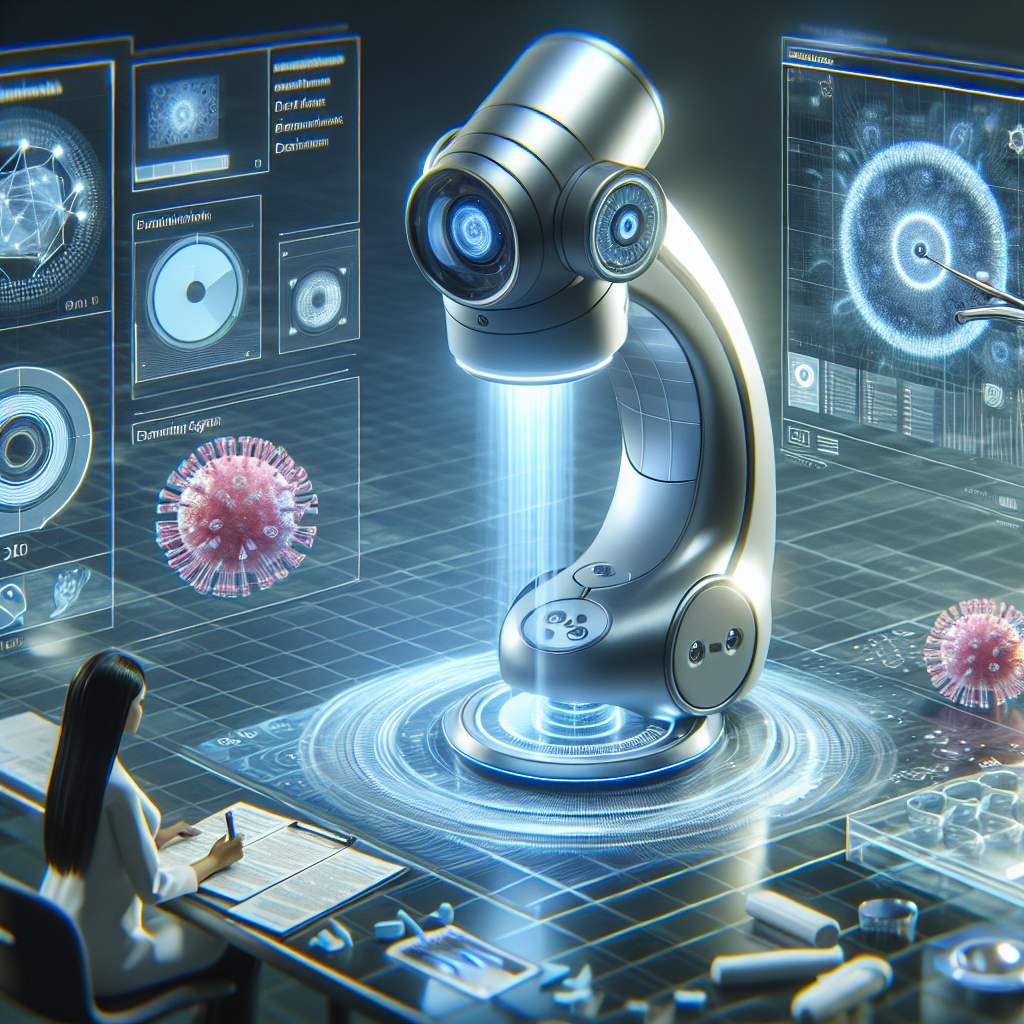
With advancements in technology, artificial intelligence (AI) has become an integral part of various industries, including healthcare. In particular, AI integration in healthcare diagnostics has the potential to revolutionize the way diseases are diagnosed and treated. From improving accuracy to reducing human error, the impact of AI in healthcare diagnostics is significant.
How AI is integrated into healthcare diagnostics
AI is integrated into healthcare diagnostics through various methods, including machine learning, natural language processing, and image recognition. Machine learning algorithms are trained to analyze large datasets of patient information and medical images to identify patterns and make predictions. Natural language processing allows AI to analyze and interpret unstructured data, such as medical records and research papers, to extract valuable insights. Image recognition technology enables AI to analyze medical images, such as X-rays and MRIs, to detect abnormalities and assist in diagnosis.
The benefits of AI integration in healthcare diagnostics
There are several benefits of AI integration in healthcare diagnostics, including:
1. Improved accuracy: AI algorithms can analyze large amounts of data quickly and accurately, leading to more precise diagnoses. This can help healthcare providers make more informed treatment decisions and improve patient outcomes.
2. Faster diagnosis: AI can analyze medical images and patient data in real-time, allowing for faster diagnosis and treatment. This can be particularly beneficial in emergency situations where timely diagnosis is crucial.
3. Reduced human error: AI algorithms are not prone to human error, such as fatigue or bias, which can affect the accuracy of diagnoses. By reducing human error, AI can help improve the quality of healthcare diagnostics.
4. Personalized treatment: AI can analyze patient data to identify personalized treatment options based on individual characteristics, such as genetic makeup and medical history. This can lead to more effective and targeted treatments for patients.
5. Cost-effective healthcare: By streamlining the diagnostic process and reducing the need for unnecessary tests and procedures, AI integration in healthcare diagnostics can help lower healthcare costs and improve efficiency.
Challenges and limitations of AI integration in healthcare diagnostics
While AI integration in healthcare diagnostics offers numerous benefits, there are also challenges and limitations that need to be addressed. Some of the challenges include:
1. Data privacy and security: AI algorithms require access to large amounts of patient data to train and improve accuracy. Ensuring the privacy and security of this data is essential to protect patient confidentiality and comply with regulations, such as HIPAA.
2. Ethical considerations: AI algorithms may not always provide transparent or explainable results, which can raise ethical concerns about the decision-making process. Ensuring transparency and accountability in AI algorithms is crucial to maintain trust in healthcare diagnostics.
3. Regulatory approval: AI algorithms used in healthcare diagnostics need to undergo rigorous testing and validation to ensure their safety and effectiveness. Obtaining regulatory approval for AI technologies can be a lengthy and complex process.
4. Integration with existing systems: Integrating AI technologies into existing healthcare systems can be challenging, as it requires compatibility with different software and hardware platforms. Healthcare providers need to invest in training and infrastructure to successfully implement AI in diagnostics.
5. Limited access to AI technologies: Not all healthcare facilities have access to AI technologies due to cost constraints or lack of expertise. Ensuring equitable access to AI in healthcare diagnostics is essential to ensure that all patients benefit from these advancements.
FAQs
Q: How is AI used in healthcare diagnostics?
A: AI is used in healthcare diagnostics to analyze large datasets of patient information and medical images to identify patterns and make predictions. AI algorithms can assist in diagnosing diseases, predicting outcomes, and recommending treatment options.
Q: What are the benefits of AI integration in healthcare diagnostics?
A: The benefits of AI integration in healthcare diagnostics include improved accuracy, faster diagnosis, reduced human error, personalized treatment, and cost-effective healthcare. AI can help healthcare providers make more informed decisions and improve patient outcomes.
Q: What are the challenges of AI integration in healthcare diagnostics?
A: Some of the challenges of AI integration in healthcare diagnostics include data privacy and security concerns, ethical considerations, regulatory approval requirements, integration with existing systems, and limited access to AI technologies. Healthcare providers need to address these challenges to successfully implement AI in diagnostics.
Q: How can healthcare providers ensure the ethical use of AI in diagnostics?
A: Healthcare providers can ensure the ethical use of AI in diagnostics by promoting transparency and accountability in AI algorithms, protecting patient privacy and confidentiality, and involving patients in the decision-making process. It is essential to prioritize ethical considerations when using AI technologies in healthcare diagnostics.
In conclusion, the integration of AI in healthcare diagnostics has the potential to transform the way diseases are diagnosed and treated. From improving accuracy to reducing human error, the impact of AI in healthcare diagnostics is significant. While there are challenges and limitations that need to be addressed, the benefits of AI integration in healthcare diagnostics far outweigh the drawbacks. By leveraging AI technologies effectively, healthcare providers can enhance patient care, improve outcomes, and reduce healthcare costs.