
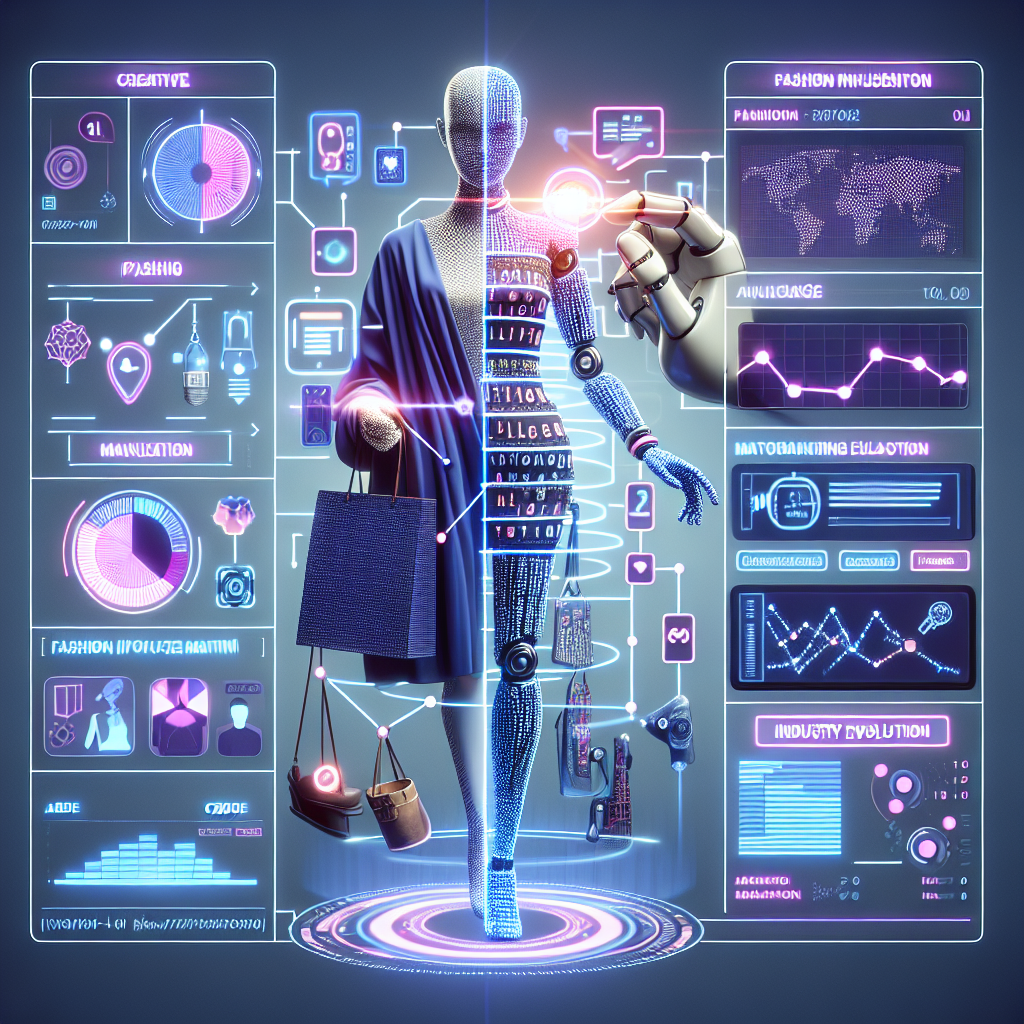
The Influence of AI on Influencer Marketing in the Fashion Industry
In recent years, the fashion industry has seen a significant shift in the way brands market their products. With the rise of social media platforms such as Instagram, Facebook, and TikTok, influencer marketing has become a powerful tool for reaching consumers and driving sales. And with the advancement of artificial intelligence (AI) technology, this form of marketing has become even more effective.
AI has revolutionized the way brands and influencers connect with their target audience. By using AI-powered tools, brands can analyze data to identify the most relevant influencers for their campaigns, track the success of their campaigns in real-time, and even predict consumer behavior to tailor their marketing strategies accordingly.
One of the key ways AI has influenced influencer marketing in the fashion industry is through the use of algorithms to identify the most suitable influencers for a brand’s target audience. By analyzing data such as engagement rates, follower demographics, and content performance, AI can help brands find influencers who have a high likelihood of resonating with their target consumers.
Additionally, AI can help brands track the success of their influencer marketing campaigns in real-time. By monitoring key metrics such as engagement rates, click-through rates, and conversion rates, brands can quickly identify which influencers are driving the most sales and adjust their strategies accordingly.
AI can also help brands predict consumer behavior and tailor their marketing strategies accordingly. By analyzing data on consumer preferences, shopping habits, and social media behavior, brands can create personalized marketing campaigns that are more likely to resonate with their target audience.
Overall, AI has had a significant impact on influencer marketing in the fashion industry, making it more effective and efficient than ever before. Brands that leverage AI-powered tools are better positioned to connect with their target audience, drive sales, and stay ahead of the competition.
FAQs
1. How does AI help brands identify the right influencers for their campaigns?
AI helps brands identify the right influencers for their campaigns by analyzing data such as engagement rates, follower demographics, and content performance. By using AI-powered tools, brands can quickly identify influencers who have a high likelihood of resonating with their target audience.
2. How does AI help brands track the success of their influencer marketing campaigns?
AI helps brands track the success of their influencer marketing campaigns by monitoring key metrics such as engagement rates, click-through rates, and conversion rates. By analyzing this data in real-time, brands can quickly identify which influencers are driving the most sales and adjust their strategies accordingly.
3. How does AI help brands predict consumer behavior?
AI helps brands predict consumer behavior by analyzing data on consumer preferences, shopping habits, and social media behavior. By using this data, brands can create personalized marketing campaigns that are more likely to resonate with their target audience.
4. How can brands leverage AI to stay ahead of the competition in influencer marketing?
Brands can leverage AI to stay ahead of the competition in influencer marketing by using AI-powered tools to identify the right influencers, track the success of their campaigns, and predict consumer behavior. By leveraging AI in these ways, brands can connect with their target audience more effectively, drive sales, and stay ahead of the competition in the fashion industry.
In conclusion, AI has had a significant influence on influencer marketing in the fashion industry, making it more effective and efficient than ever before. Brands that leverage AI-powered tools are better positioned to connect with their target audience, drive sales, and stay ahead of the competition in this rapidly evolving industry.