
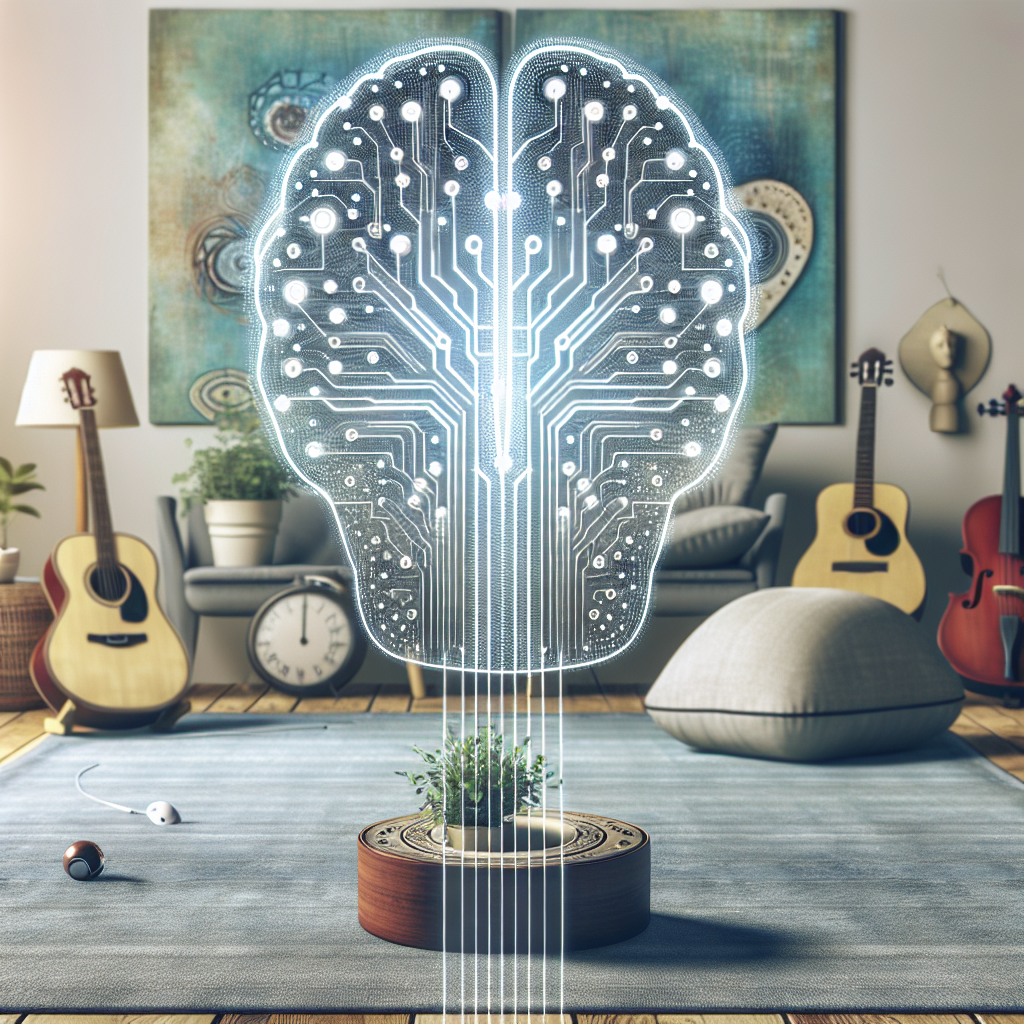
The Integration of AI in Music Therapy
Music therapy has been used for centuries as a way to promote healing and well-being. It has been shown to have a wide range of benefits, including reducing stress and anxiety, improving mood, and even helping to manage pain. In recent years, there has been a growing interest in the integration of artificial intelligence (AI) in music therapy. AI has the potential to enhance the effectiveness of music therapy by providing personalized and adaptive interventions tailored to the individual needs of each patient.
AI technology has made significant advancements in recent years, particularly in the areas of machine learning and natural language processing. These advancements have enabled AI systems to analyze large amounts of data and identify patterns and trends that can be used to inform personalized interventions. In the context of music therapy, AI can be used to analyze a patient’s emotional state, preferences, and responses to music, and use this information to tailor the therapy session to meet the individual needs of the patient.
One of the key benefits of integrating AI in music therapy is the ability to provide personalized interventions that are tailored to the individual needs of each patient. Traditional music therapy relies on the expertise and intuition of the therapist to select appropriate music and interventions based on their understanding of the patient’s needs. However, AI can provide an additional layer of analysis and insight that can help to enhance the effectiveness of the therapy session.
For example, AI can be used to analyze a patient’s emotional state based on their physiological responses, such as heart rate and skin conductance. This information can then be used to select music that is likely to have a positive impact on the patient’s mood and well-being. Additionally, AI can analyze the patient’s responses to the music in real-time, adjusting the therapy session as needed to ensure that the patient receives the maximum benefit from the intervention.
Another key benefit of integrating AI in music therapy is the ability to provide continuous monitoring and feedback to the therapist. AI systems can track the patient’s progress over time, providing valuable insights into the effectiveness of the therapy interventions and helping the therapist to make informed decisions about the patient’s treatment plan. This continuous monitoring and feedback can help to ensure that the patient receives the most appropriate and effective interventions throughout their therapy journey.
In addition to providing personalized interventions and continuous monitoring, AI can also enhance the accessibility of music therapy services. Many individuals may not have access to traditional music therapy services due to factors such as cost, location, or time constraints. By integrating AI in music therapy, it may be possible to provide remote therapy sessions that can be accessed from the comfort of the patient’s own home. This can help to improve the accessibility of music therapy services and reach a wider range of individuals who may benefit from this form of therapy.
Despite the potential benefits of integrating AI in music therapy, there are also some challenges and considerations that need to be addressed. One of the key challenges is ensuring the ethical use of AI in therapy settings. AI systems can collect and analyze large amounts of sensitive data, such as emotional responses and personal preferences, which raises concerns about privacy and data security. It is important to establish clear guidelines and protocols for the use of AI in therapy settings to ensure that patient data is protected and used responsibly.
Another challenge is ensuring that AI systems are developed and trained using diverse and representative data sets. AI systems are only as good as the data they are trained on, and bias in the data can lead to biased outcomes. It is important to ensure that AI systems are trained on diverse and representative data sets to avoid perpetuating biases and ensuring that the interventions provided are fair and effective for all patients.
Despite these challenges, the integration of AI in music therapy has the potential to revolutionize the field and enhance the effectiveness of therapy interventions. By providing personalized interventions, continuous monitoring, and improved accessibility, AI can help to improve the quality of care for patients and expand the reach of music therapy services to a wider range of individuals.
FAQs
Q: How does AI analyze a patient’s emotional state in music therapy?
A: AI can analyze a patient’s emotional state in music therapy by monitoring physiological responses, such as heart rate and skin conductance, and using this information to infer the patient’s emotional state. AI systems can also analyze the patient’s responses to music in real-time, adjusting the therapy session as needed to ensure that the patient receives the maximum benefit from the intervention.
Q: What are some of the benefits of integrating AI in music therapy?
A: Some of the benefits of integrating AI in music therapy include providing personalized interventions tailored to the individual needs of each patient, continuous monitoring and feedback to the therapist, and improved accessibility of therapy services through remote therapy sessions.
Q: What are some of the challenges of integrating AI in music therapy?
A: Some of the challenges of integrating AI in music therapy include ensuring the ethical use of AI in therapy settings, addressing concerns about privacy and data security, and ensuring that AI systems are developed and trained using diverse and representative data sets to avoid bias and ensure fair and effective interventions for all patients.