
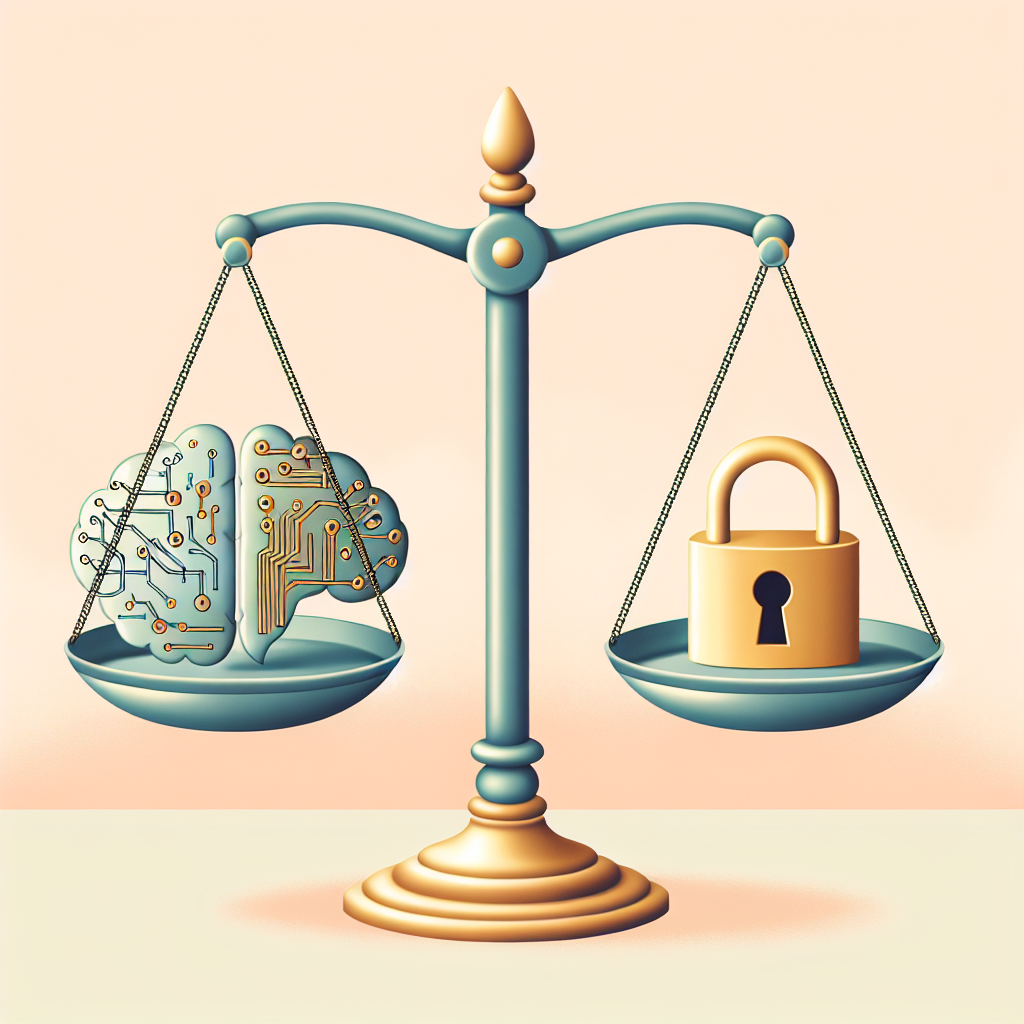
The Risks and Rewards of AI for Privacy
Artificial Intelligence (AI) has become an increasingly prevalent technology in our daily lives, offering both benefits and challenges to our privacy. On one hand, AI has the potential to revolutionize industries, improve efficiency, and enhance our quality of life. On the other hand, the use of AI raises concerns about data privacy, surveillance, and security. In this article, we will explore the risks and rewards of AI for privacy and discuss ways to mitigate potential threats.
Risks of AI for Privacy
1. Data Privacy: One of the biggest risks associated with AI is the potential for data privacy breaches. AI systems rely on vast amounts of data to function effectively, which can include sensitive personal information. If this data is not properly secured, it can be vulnerable to hacking, theft, or misuse. This can lead to identity theft, financial fraud, or other forms of exploitation.
2. Surveillance: AI-powered surveillance systems have the ability to track and monitor individuals in real-time, raising concerns about invasion of privacy. For example, facial recognition technology can be used to identify and track individuals without their consent, leading to a loss of anonymity and personal freedom.
3. Bias and Discrimination: AI algorithms are only as unbiased as the data they are trained on. If the training data is biased or incomplete, it can lead to discriminatory outcomes. For example, AI systems used in hiring processes may inadvertently discriminate against certain groups based on race, gender, or other factors.
4. Security Threats: AI systems can also be vulnerable to security threats, such as malicious attacks or manipulation. Hackers can exploit vulnerabilities in AI algorithms to manipulate outcomes, steal data, or disrupt operations. This can have serious consequences for individuals, organizations, and society as a whole.
Rewards of AI for Privacy
1. Enhanced Security: While AI poses security risks, it can also be used to enhance cybersecurity measures. AI-powered tools can detect and respond to threats in real-time, helping to prevent data breaches and cyber attacks. For example, AI algorithms can analyze patterns in network traffic to identify suspicious behavior and take proactive measures to protect data.
2. Privacy-Preserving Technologies: There are also emerging technologies that aim to preserve privacy while still harnessing the power of AI. For example, federated learning allows multiple parties to collaborate on a machine learning model without sharing sensitive data. This can help protect individual privacy while still benefiting from AI capabilities.
3. Personalization: AI can also improve privacy by enabling more personalized and targeted experiences. For example, AI algorithms can analyze user behavior to deliver more relevant content and recommendations, without compromising privacy. This can enhance user satisfaction and engagement while still respecting individual privacy preferences.
4. Transparency and Accountability: As the use of AI becomes more widespread, there is a growing emphasis on transparency and accountability in AI systems. Companies are increasingly required to disclose how their AI algorithms work, how they use data, and how decisions are made. This can help build trust with users and ensure that privacy concerns are addressed.
FAQs
Q: How can individuals protect their privacy in the age of AI?
A: Individuals can protect their privacy by being vigilant about the data they share online, using strong passwords, and regularly updating privacy settings on social media platforms. They can also use privacy-preserving technologies, such as virtual private networks (VPNs) and encrypted messaging apps, to protect their data from prying eyes.
Q: How can organizations ensure the privacy of their customers when using AI?
A: Organizations can ensure the privacy of their customers by implementing robust data protection measures, such as encryption, access controls, and regular security audits. They can also be transparent about how they use customer data and obtain consent before collecting or sharing personal information. Training employees on data privacy best practices and complying with relevant regulations, such as the General Data Protection Regulation (GDPR), can also help protect customer privacy.
Q: What are some ethical considerations to keep in mind when using AI for privacy?
A: Some ethical considerations to keep in mind when using AI for privacy include ensuring that AI systems are transparent, accountable, and fair. Organizations should consider the potential impact of their AI algorithms on individuals and society as a whole, and take steps to minimize bias, discrimination, and harm. They should also prioritize privacy by design, incorporating privacy principles into the development and deployment of AI systems.
In conclusion, while AI offers many benefits and opportunities, it also poses risks to privacy that must be carefully managed. By implementing strong data protection measures, using privacy-preserving technologies, and prioritizing transparency and accountability, we can harness the power of AI while safeguarding individual privacy rights. It is essential for individuals, organizations, and policymakers to work together to strike a balance between innovation and privacy protection in the age of AI.