
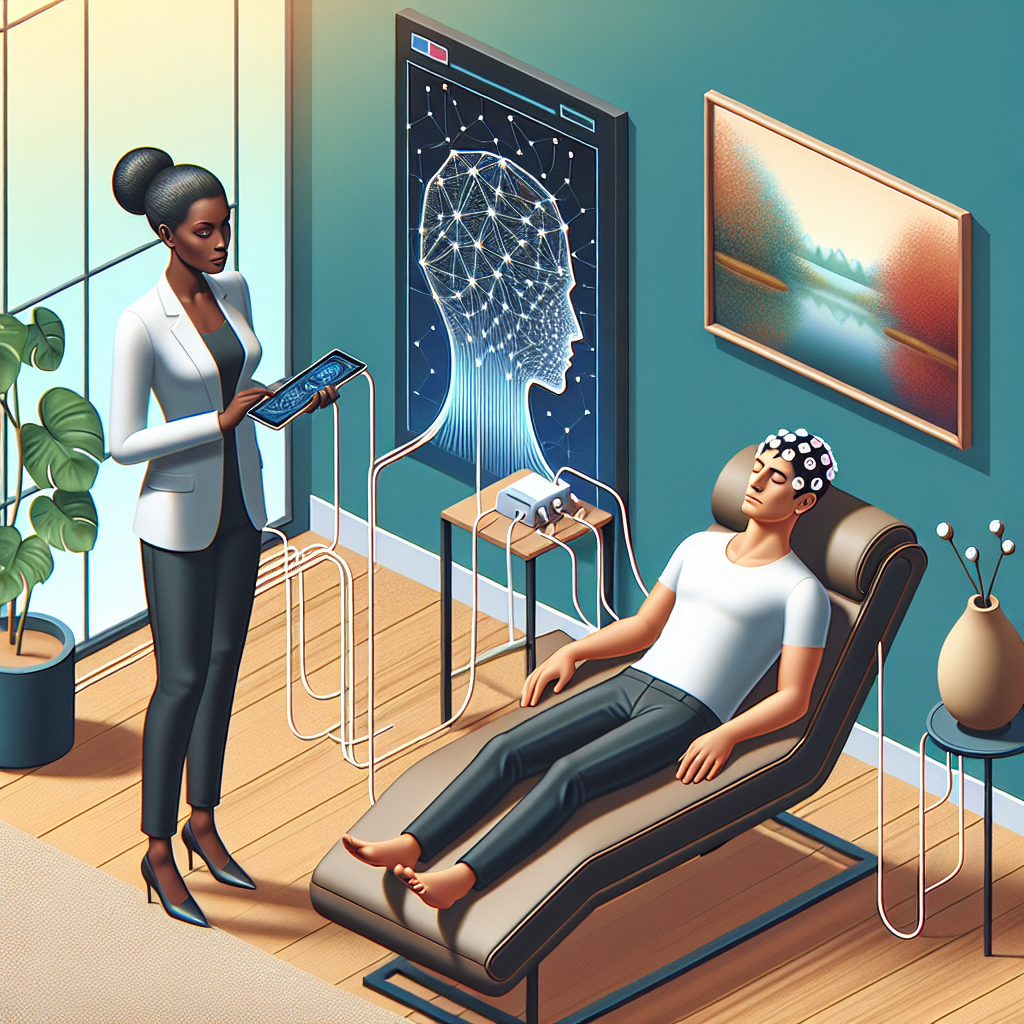
The Role of AI in Mental Health Care
In recent years, there has been a growing interest in the use of artificial intelligence (AI) in various aspects of healthcare, including mental health care. AI has the potential to revolutionize the way mental health services are delivered, making them more accessible, personalized, and effective. In this article, we will explore the role of AI in mental health care, its benefits and challenges, and how it is being used in practice.
Benefits of AI in Mental Health Care
There are several potential benefits of using AI in mental health care. One of the most significant advantages is the ability of AI to provide personalized treatment and support to individuals with mental health issues. AI algorithms can analyze large amounts of data, such as electronic health records, social media activity, and smartphone usage, to identify patterns and trends that may be indicative of mental health problems. This information can then be used to tailor treatment plans and interventions to the specific needs of each individual.
AI can also help to improve access to mental health services, particularly in underserved areas where there may be a shortage of mental health professionals. By using AI-powered chatbots and virtual therapists, individuals can receive support and guidance in real-time, without having to wait for an appointment with a therapist. This can help to reduce the stigma associated with mental health issues and encourage more people to seek help when they need it.
Another benefit of AI in mental health care is its ability to monitor and track an individual’s progress over time. AI algorithms can analyze data from wearable devices, such as fitness trackers and smartwatches, to assess changes in mood, sleep patterns, and activity levels. This information can be used to identify potential relapses or early warning signs of mental health problems, allowing for timely intervention and support.
Challenges of AI in Mental Health Care
While there are many potential benefits of using AI in mental health care, there are also several challenges that need to be addressed. One of the main concerns is the need to ensure the privacy and security of sensitive health data. AI algorithms rely on large amounts of data to function effectively, but this data must be protected from unauthorized access and misuse. There are also concerns about the potential for bias in AI algorithms, which may lead to inaccurate or discriminatory recommendations for treatment.
Another challenge is the lack of regulation and oversight in the development and deployment of AI technologies in mental health care. There are currently no standardized guidelines or best practices for the use of AI in this field, which can lead to variability in the quality and effectiveness of AI-powered interventions. It is important for policymakers, healthcare providers, and technology companies to work together to establish clear guidelines and standards for the use of AI in mental health care.
How AI is Used in Mental Health Care
Despite these challenges, AI is already being used in a variety of ways to support mental health care. One common application is the use of AI-powered chatbots and virtual therapists to provide counseling and support to individuals with mental health issues. These chatbots can engage in natural language conversations, provide psychoeducation, and offer coping strategies for managing stress and anxiety.
AI is also being used to analyze large datasets of electronic health records to identify trends and patterns in mental health outcomes. For example, researchers have developed AI algorithms that can predict the risk of suicide based on a person’s medical history, social media activity, and other factors. This information can be used to inform treatment decisions and interventions for individuals at high risk of suicide.
In addition, AI is being used to develop digital tools and apps that can help individuals track their mental health symptoms, monitor their mood, and access self-help resources. These tools can provide personalized recommendations for coping strategies, relaxation techniques, and other interventions based on an individual’s specific needs and preferences.
FAQs
Q: Is AI replacing human therapists in mental health care?
A: AI is not meant to replace human therapists, but rather to supplement and enhance the care they provide. AI-powered tools can help to extend the reach of mental health services, making them more accessible and personalized for individuals in need.
Q: How accurate are AI algorithms in predicting mental health outcomes?
A: AI algorithms can be highly accurate in predicting mental health outcomes, particularly when they are trained on large datasets of diverse patient populations. However, it is important to remember that AI is a tool, not a substitute for clinical judgment, and should be used in conjunction with human expertise and oversight.
Q: Are there any ethical concerns with using AI in mental health care?
A: There are several ethical concerns with the use of AI in mental health care, including issues related to privacy, security, bias, and transparency. It is important for healthcare providers and technology developers to address these concerns and ensure that AI-powered interventions are safe, effective, and equitable for all individuals.
In conclusion, AI has the potential to transform the way mental health care is delivered, making it more personalized, accessible, and effective. While there are challenges that need to be addressed, the benefits of using AI in mental health care are clear. By leveraging the power of AI algorithms and technologies, we can improve the quality of care and support for individuals with mental health issues and help to reduce the burden of mental illness on individuals, families, and society as a whole.