
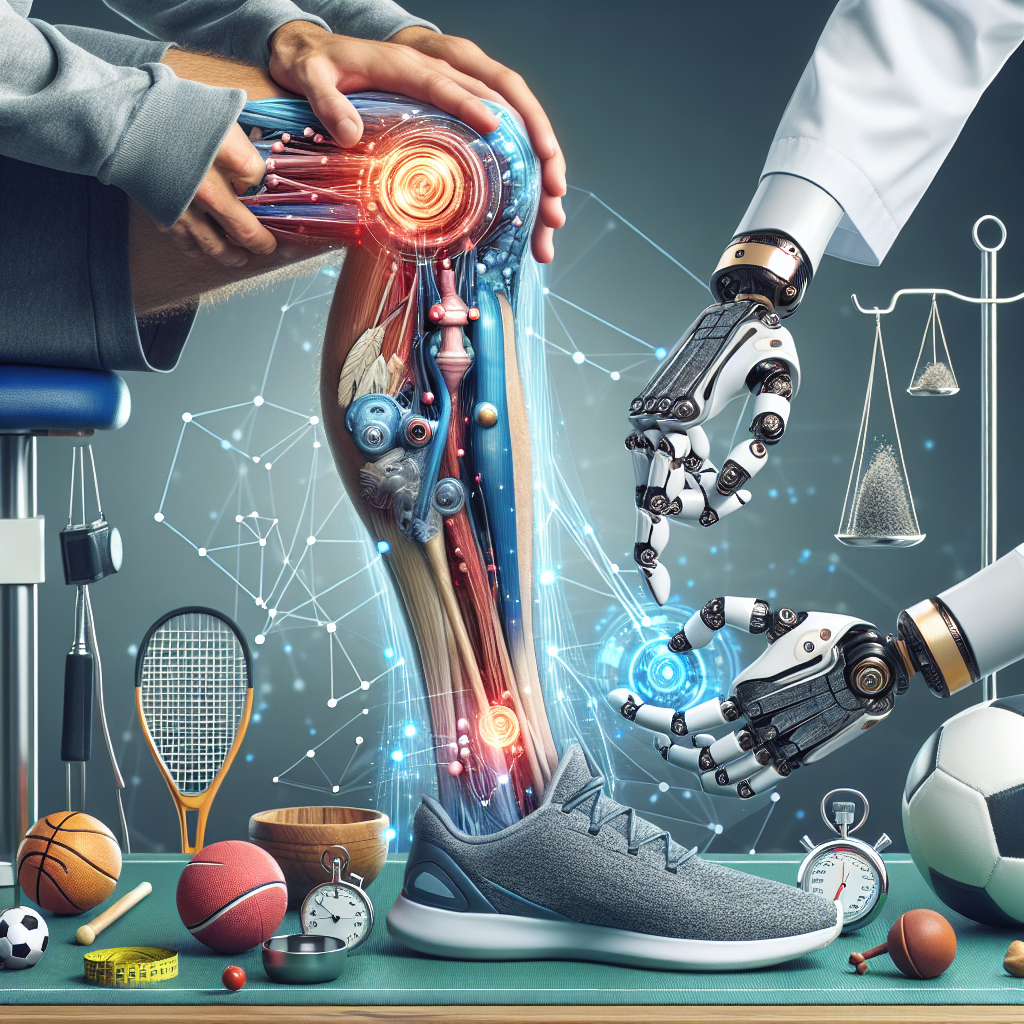
In recent years, artificial intelligence (AI) has been making waves in the healthcare industry, revolutionizing the way we approach everything from diagnosis to treatment. One area where AI is proving to be particularly effective is in sports injury rehabilitation programs. By harnessing the power of AI, healthcare providers and athletes alike are seeing significant improvements in recovery times, outcomes, and overall quality of care.
The Role of AI in Sports Injury Rehabilitation Programs
AI is being used in sports injury rehabilitation programs in a variety of ways, all aimed at improving the efficiency and effectiveness of treatment. One of the key ways AI is being utilized is in the analysis of data. By collecting and analyzing large amounts of data on injury types, treatment options, and outcomes, AI can help healthcare providers make more informed decisions about the best course of action for each individual patient.
For example, AI can analyze data on previous injuries similar to the one a patient is currently experiencing, and use that information to predict the best treatment plan for that patient. This can help healthcare providers tailor their treatment approach to each individual, leading to better outcomes and faster recovery times.
AI is also being used to monitor patients’ progress during rehabilitation. By using wearable devices and sensors, AI can track a patient’s movements, range of motion, and other key metrics in real-time. This data can then be analyzed by AI algorithms to provide insights into how well the patient is progressing and whether any adjustments need to be made to their treatment plan.
In addition to data analysis and monitoring, AI is also being used in sports injury rehabilitation programs to provide personalized exercises and rehabilitation plans. By inputting data on a patient’s injury, fitness level, and goals, AI algorithms can generate customized exercise routines that are tailored to the individual’s needs. This can help patients stay motivated, track their progress, and ensure they are performing the right exercises to aid in their recovery.
Overall, the role of AI in sports injury rehabilitation programs is to enhance the quality of care provided to patients, improve outcomes, and reduce the risk of future injuries. By harnessing the power of AI, healthcare providers can deliver more personalized, efficient, and effective rehabilitation programs that help athletes get back on their feet and back in the game as quickly as possible.
FAQs:
Q: How does AI analyze data in sports injury rehabilitation programs?
A: AI analyzes data in sports injury rehabilitation programs by collecting and processing large amounts of information on injury types, treatment options, and outcomes. By using algorithms to sift through this data, AI can identify patterns, trends, and correlations that can help healthcare providers make more informed decisions about the best course of action for each individual patient.
Q: How does AI monitor patients’ progress during rehabilitation?
A: AI monitors patients’ progress during rehabilitation by using wearable devices and sensors to track key metrics such as movement, range of motion, and strength. This data is then analyzed by AI algorithms to provide insights into how well the patient is progressing and whether any adjustments need to be made to their treatment plan.
Q: How does AI provide personalized exercises and rehabilitation plans?
A: AI provides personalized exercises and rehabilitation plans by inputting data on a patient’s injury, fitness level, and goals into algorithms that generate customized exercise routines. These exercises are tailored to the individual’s needs, helping them stay motivated, track their progress, and ensure they are performing the right exercises to aid in their recovery.
Q: What are the benefits of using AI in sports injury rehabilitation programs?
A: The benefits of using AI in sports injury rehabilitation programs include improved outcomes, faster recovery times, and reduced risk of future injuries. By harnessing the power of AI, healthcare providers can deliver more personalized, efficient, and effective rehabilitation programs that help athletes get back on their feet and back in the game as quickly as possible.