
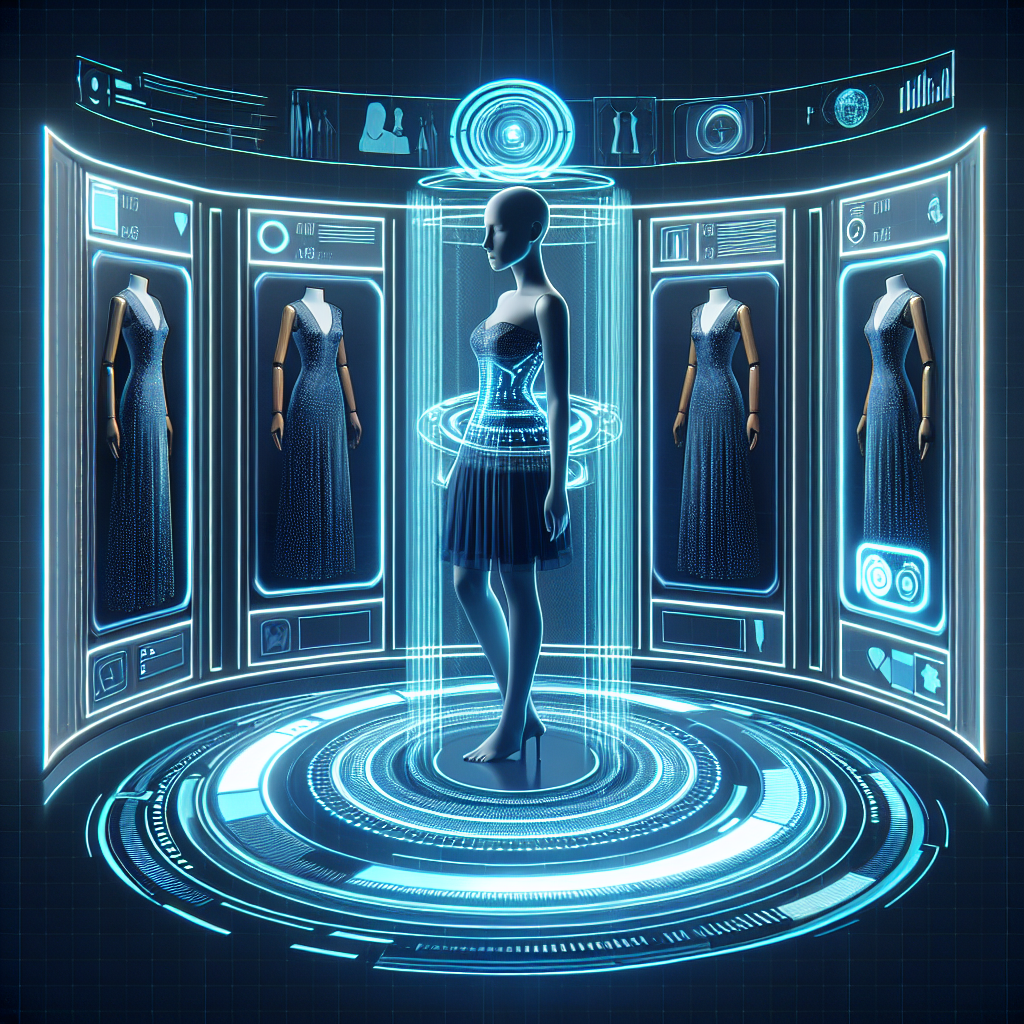
In recent years, virtual try-on experiences have become increasingly popular in the retail industry. AI tools have played a significant role in enhancing these experiences, allowing customers to try on products virtually before making a purchase. From clothing and accessories to makeup and eyewear, AI tools have revolutionized the way people shop online.
Virtual try-on experiences powered by AI tools have several benefits for both retailers and customers. For retailers, these tools can increase conversion rates, reduce return rates, and provide valuable data on customer preferences. For customers, virtual try-on experiences offer convenience, personalization, and a more engaging shopping experience.
One of the key benefits of using AI tools for virtual try-on experiences is the ability to provide personalized recommendations to customers. By analyzing a customer’s facial features, body measurements, and style preferences, AI tools can suggest products that are most likely to fit and flatter the customer. This level of personalization can help customers feel more confident in their purchasing decisions and reduce the likelihood of returns.
Another benefit of using AI tools for virtual try-on experiences is the ability to create realistic and accurate simulations. By using advanced computer vision and machine learning algorithms, AI tools can accurately overlay virtual products onto a customer’s image in real-time. This allows customers to see how a product will look on them from different angles and in different lighting conditions, providing a more realistic and immersive shopping experience.
Furthermore, AI tools can also help customers discover new products and styles that they may not have considered before. By analyzing a customer’s browsing history, purchase behavior, and social media interactions, AI tools can suggest products that are tailored to the customer’s individual preferences. This can help customers discover new brands, trends, and styles that they may not have been exposed to otherwise.
Overall, using AI tools for virtual try-on experiences can help retailers increase sales, improve customer satisfaction, and differentiate themselves from competitors. By leveraging the power of AI, retailers can create a more personalized, interactive, and engaging shopping experience for their customers, ultimately driving growth and success in the digital age.
FAQs:
1. How accurate are AI-powered virtual try-on experiences?
AI-powered virtual try-on experiences can vary in accuracy depending on the technology and algorithms used. In general, these experiences are designed to provide a realistic simulation of how a product will look on a customer, but there may be limitations in terms of color accuracy, texture rendering, and fit prediction. It’s important to keep in mind that virtual try-on experiences are meant to complement, rather than replace, in-person shopping experiences.
2. How do AI tools analyze a customer’s facial features and body measurements?
AI tools use computer vision algorithms to analyze a customer’s facial features and body measurements. These algorithms can detect key landmarks on a customer’s face and body, such as the eyes, nose, mouth, and shoulders, and use this information to accurately overlay virtual products onto the customer’s image. By analyzing these key landmarks, AI tools can generate a realistic simulation of how a product will look on a customer.
3. Can AI tools suggest products based on a customer’s style preferences?
Yes, AI tools can suggest products based on a customer’s style preferences. By analyzing a customer’s browsing history, purchase behavior, and social media interactions, AI tools can generate personalized recommendations that are tailored to the customer’s individual preferences. This can help customers discover new brands, trends, and styles that align with their personal taste.
4. How can retailers benefit from using AI tools for virtual try-on experiences?
Retailers can benefit from using AI tools for virtual try-on experiences in several ways. These tools can increase conversion rates, reduce return rates, and provide valuable data on customer preferences. By offering a more personalized, interactive, and engaging shopping experience, retailers can differentiate themselves from competitors and drive growth and success in the digital age.
5. Are AI-powered virtual try-on experiences secure and privacy-compliant?
AI-powered virtual try-on experiences should prioritize security and privacy compliance to protect customer data and ensure a safe and trustworthy shopping experience. Retailers should implement robust security measures, such as encryption, authentication, and data anonymization, to safeguard customer information and prevent unauthorized access. Additionally, retailers should comply with relevant privacy regulations, such as the General Data Protection Regulation (GDPR) and the California Consumer Privacy Act (CCPA), to ensure that customer data is collected and used responsibly.