
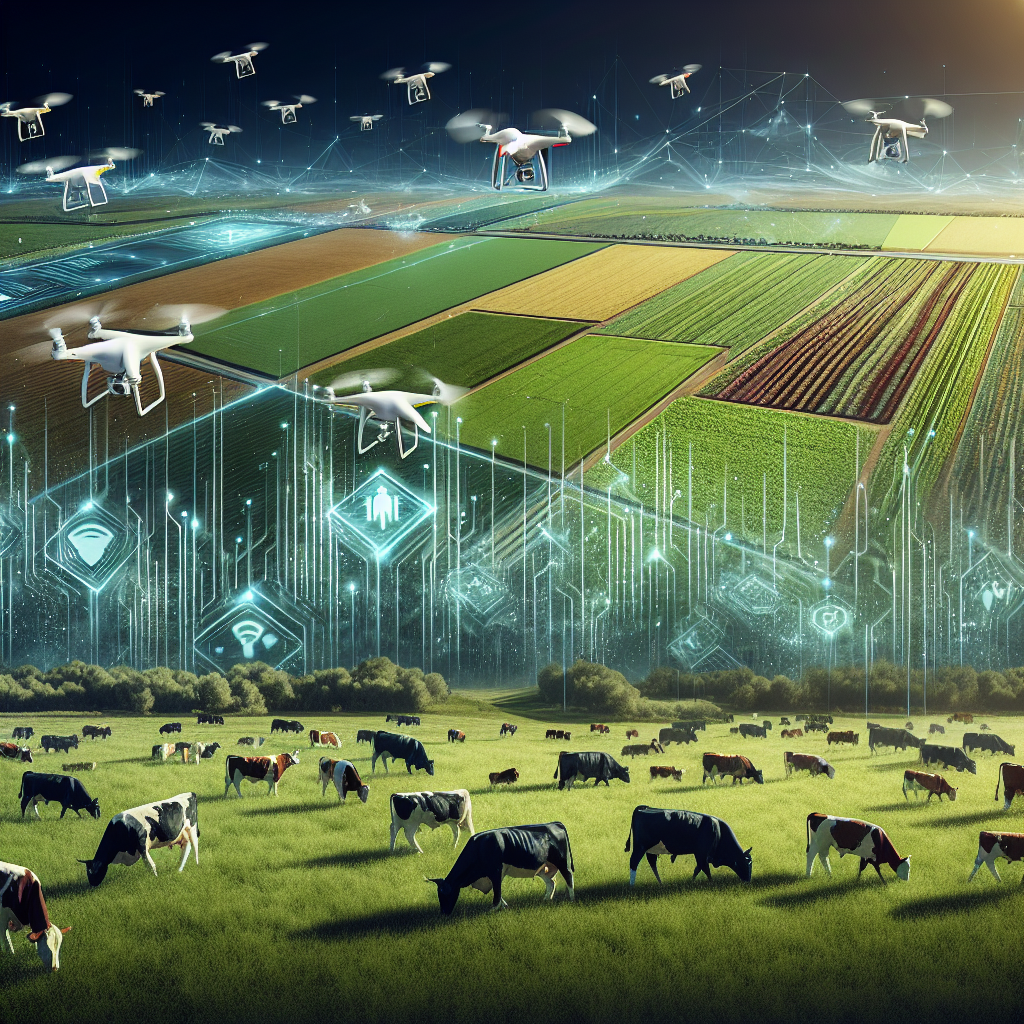
Utilizing AI for Precision Livestock Management
Introduction
Precision livestock management is a rapidly growing field that leverages technology to optimize the health and productivity of livestock. By utilizing artificial intelligence (AI) and other advanced technologies, farmers are able to monitor and manage their livestock more effectively, leading to improved outcomes for both the animals and the farmers. In this article, we will explore how AI is being used in precision livestock management, the benefits it offers, and some frequently asked questions about this innovative approach.
How AI is Used in Precision Livestock Management
AI is being used in a variety of ways to enhance precision livestock management. One of the key applications of AI in this field is in monitoring the health and well-being of livestock. By using sensors and cameras to collect data on the animals, AI systems can analyze this information in real-time to identify any signs of illness or distress. This allows farmers to intervene quickly and provide the necessary care to ensure the health of their livestock.
AI is also being used to optimize feeding and nutrition for livestock. By analyzing data on the animals’ dietary needs, AI systems can create personalized feeding plans that take into account factors such as age, weight, and activity level. This helps farmers ensure that their livestock are receiving the right nutrients in the right quantities, leading to improved growth rates and overall health.
Additionally, AI is being used to monitor the environmental conditions in which livestock are housed. By collecting data on factors such as temperature, humidity, and air quality, AI systems can ensure that the animals are kept in optimal conditions. This can help prevent the spread of disease and reduce stress on the animals, leading to better overall outcomes.
Benefits of Utilizing AI for Precision Livestock Management
There are numerous benefits to utilizing AI for precision livestock management. Some of the key advantages include:
1. Improved Health and Welfare: By monitoring livestock in real-time and identifying any signs of illness or distress, AI systems can help farmers ensure the health and welfare of their animals. This can lead to reduced mortality rates and improved overall well-being.
2. Increased Productivity: By optimizing feeding and nutrition through AI, farmers can help their livestock reach their full growth potential more quickly. This can lead to increased productivity and profitability for the farm.
3. Enhanced Efficiency: AI systems can help farmers streamline their operations by automating tasks such as monitoring and data analysis. This can free up time for farmers to focus on other aspects of their business, leading to increased efficiency.
4. Environmental Sustainability: By monitoring environmental conditions and optimizing feeding plans, AI can help farmers reduce their environmental impact. This can lead to more sustainable farming practices and a reduced carbon footprint.
5. Data-Driven Decision Making: AI systems can provide farmers with valuable insights and recommendations based on the data collected from their livestock. This can help farmers make more informed decisions and improve their overall management practices.
Frequently Asked Questions
Q: How does AI help with monitoring the health of livestock?
A: AI systems use sensors and cameras to collect data on the animals, which is then analyzed in real-time to identify any signs of illness or distress. This allows farmers to intervene quickly and provide the necessary care to ensure the health of their livestock.
Q: Can AI help optimize feeding and nutrition for livestock?
A: Yes, AI can analyze data on the animals’ dietary needs and create personalized feeding plans that take into account factors such as age, weight, and activity level. This helps farmers ensure that their livestock are receiving the right nutrients in the right quantities.
Q: How does AI help with monitoring environmental conditions for livestock?
A: AI systems collect data on factors such as temperature, humidity, and air quality in the animals’ housing environment. This information is then used to ensure that the animals are kept in optimal conditions, which can help prevent the spread of disease and reduce stress on the animals.
Q: What are the benefits of using AI for precision livestock management?
A: Some of the key benefits include improved health and welfare of the animals, increased productivity, enhanced efficiency, environmental sustainability, and data-driven decision making.
Conclusion
Utilizing AI for precision livestock management offers numerous benefits for farmers, including improved health and welfare of the animals, increased productivity, and enhanced efficiency. By leveraging AI technologies to monitor the health, feeding, and environmental conditions of their livestock, farmers can optimize their operations and achieve better outcomes. As this field continues to evolve, AI is expected to play an increasingly important role in helping farmers manage their livestock more effectively and sustainably.