
Introduction
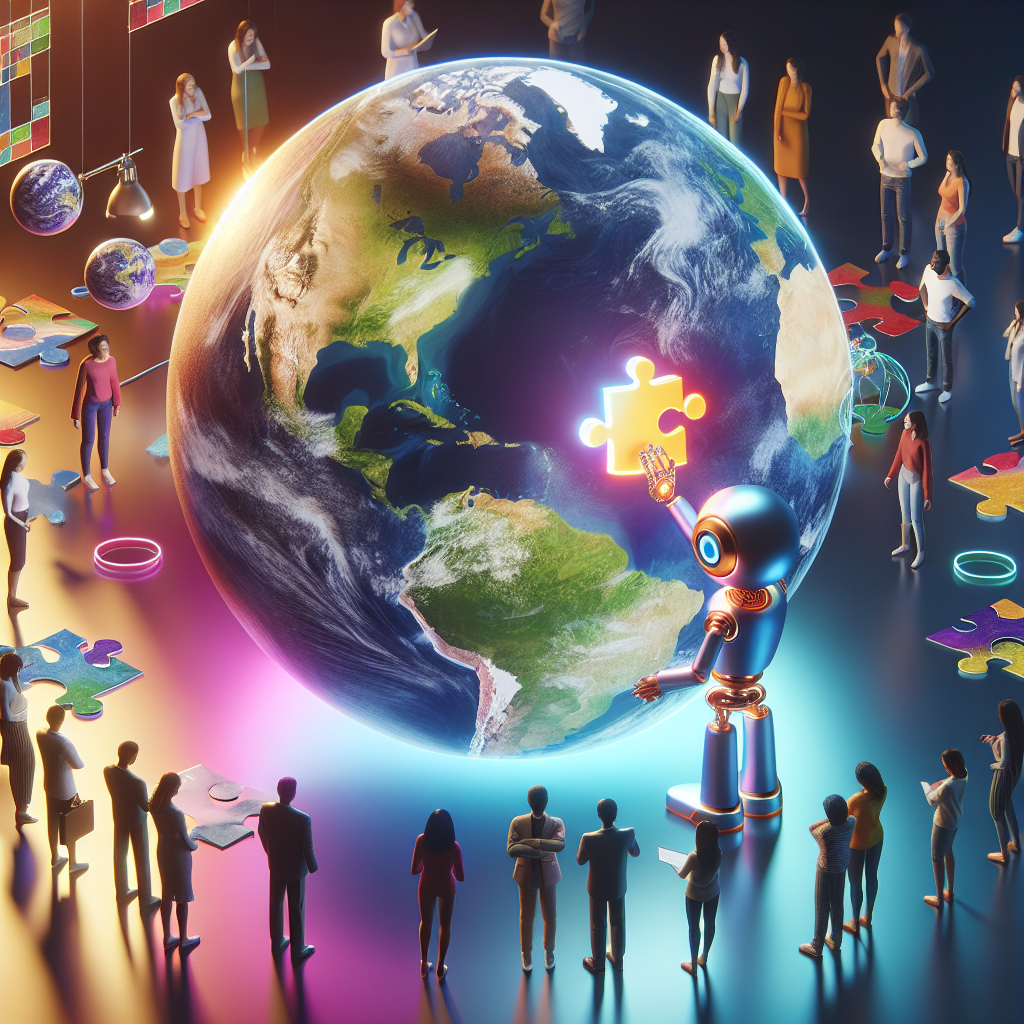
Artificial intelligence (AI) has the potential to revolutionize the way we address and solve social issues. With its ability to analyze vast amounts of data and make predictions based on patterns, AI can help identify and address various social problems more efficiently and effectively than ever before. In this article, we will explore how AI can be used to address social issues, and discuss some of the potential benefits and challenges of using AI in this context.
Identifying Social Issues
One of the key ways in which AI can be used to address social issues is by helping to identify them in the first place. AI algorithms can analyze large amounts of data from a variety of sources, such as social media, news articles, and government reports, to detect patterns and trends that may indicate the presence of a social issue. For example, AI could be used to analyze social media posts to identify patterns of hate speech or cyberbullying, or to analyze crime data to identify areas with high rates of criminal activity.
Once a social issue has been identified, AI can also be used to analyze the underlying causes of the issue. By examining data on factors such as income levels, education levels, and access to healthcare, AI algorithms can help identify the root causes of social problems and suggest potential solutions.
Addressing Social Issues
In addition to helping identify social issues, AI can also be used to address them in a variety of ways. For example, AI can be used to develop predictive models that can help identify individuals who are at risk of experiencing homelessness, domestic violence, or substance abuse. By identifying at-risk individuals early, social service agencies can intervene and provide support before the issue escalates.
AI can also be used to optimize the allocation of resources for social programs. By analyzing data on the effectiveness of different interventions and the needs of different communities, AI algorithms can help organizations prioritize their resources and ensure that they are being used effectively.
Furthermore, AI can be used to develop innovative solutions to social issues. For example, AI-powered chatbots can provide support and information to individuals experiencing mental health issues, while AI-powered drones can deliver medical supplies to remote areas that lack access to healthcare facilities.
Benefits of Using AI to Address Social Issues
There are several benefits to using AI to address social issues. One of the key benefits is the ability of AI to process and analyze vast amounts of data quickly and accurately. This can help organizations identify social issues more efficiently and develop targeted interventions that are more likely to be effective.
Another benefit of using AI to address social issues is the ability of AI algorithms to identify patterns and trends that may not be immediately apparent to human analysts. By analyzing data from multiple sources and identifying correlations that may not be obvious, AI can help organizations develop a more comprehensive understanding of complex social problems.
Additionally, AI can help organizations make better use of their resources by optimizing the allocation of resources and identifying areas where interventions are most needed. This can help organizations deliver more effective services to those who need them most, and ensure that resources are being used efficiently.
Challenges of Using AI to Address Social Issues
While there are many potential benefits to using AI to address social issues, there are also several challenges that must be addressed. One of the key challenges is the potential for bias in AI algorithms. Because AI algorithms are trained on historical data, they may reflect and perpetuate existing biases in society. For example, if a predictive model is trained on data that is biased against certain racial or socioeconomic groups, the model may produce biased predictions that perpetuate inequality.
Another challenge is the lack of transparency in AI algorithms. Because AI algorithms are often complex and opaque, it can be difficult to understand how they arrive at their predictions and recommendations. This lack of transparency can make it difficult for organizations to trust the recommendations of AI algorithms, and can lead to resistance to using AI to address social issues.
Finally, there are concerns about the potential for AI to replace human decision-making in the social sector. While AI can be a powerful tool for identifying and addressing social issues, it is important to remember that ultimately, social issues are complex and multifaceted, and may require human judgment and empathy to address effectively.
FAQs
Q: How can AI be used to address social issues?
A: AI can be used to help identify social issues by analyzing data from a variety of sources, and to develop targeted interventions that are more likely to be effective. AI can also be used to optimize the allocation of resources for social programs, and to develop innovative solutions to social issues.
Q: What are some of the benefits of using AI to address social issues?
A: Some of the key benefits of using AI to address social issues include the ability of AI to process and analyze vast amounts of data quickly and accurately, the ability of AI to identify patterns and trends that may not be immediately apparent, and the ability of AI to optimize the allocation of resources for social programs.
Q: What are some of the challenges of using AI to address social issues?
A: Some of the key challenges of using AI to address social issues include the potential for bias in AI algorithms, the lack of transparency in AI algorithms, and concerns about the potential for AI to replace human decision-making in the social sector.
Conclusion
In conclusion, AI has the potential to revolutionize the way we address and solve social issues. By helping to identify social issues, analyze their underlying causes, and develop targeted interventions, AI can help organizations deliver more effective services to those who need them most. While there are certainly challenges to using AI in the social sector, with careful attention to issues such as bias and transparency, AI has the potential to be a powerful tool for addressing some of the most pressing social issues of our time.