
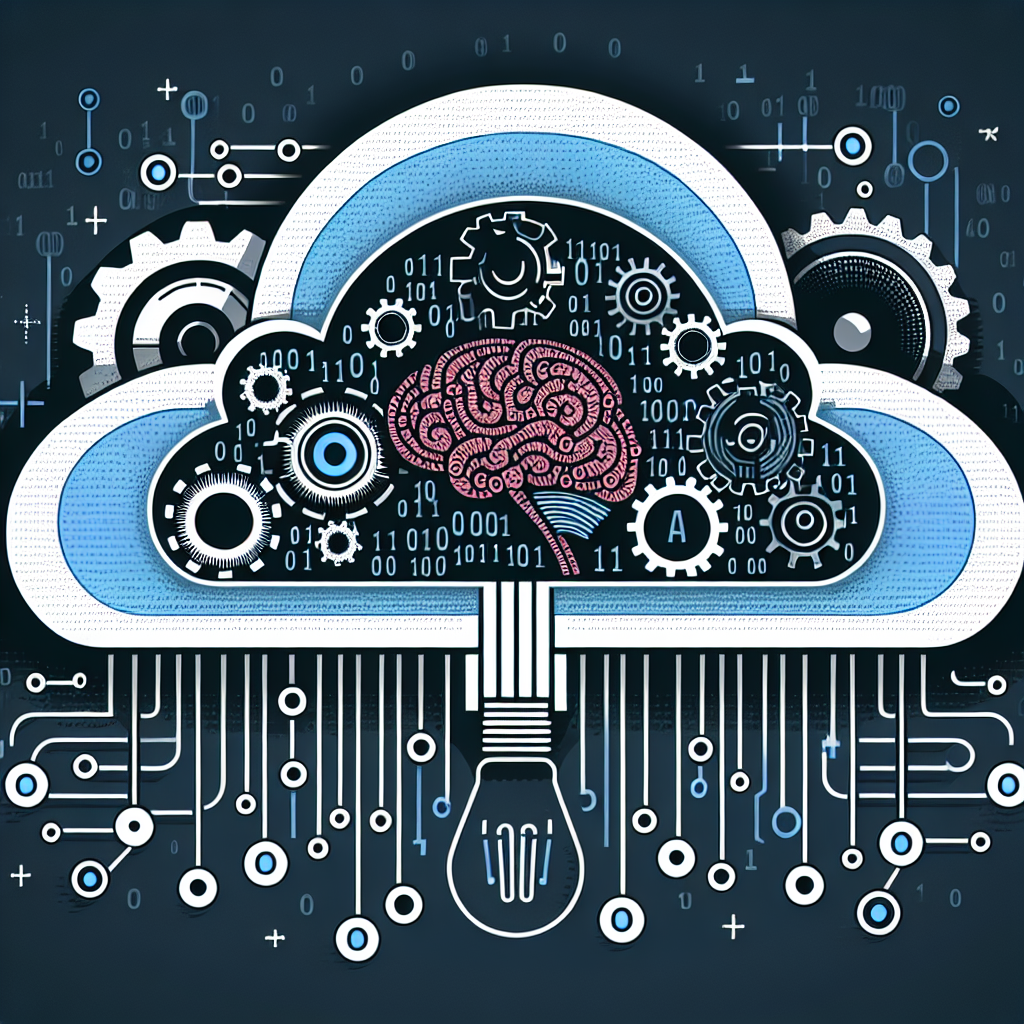
Leveraging AI for Predictive Maintenance in Cloud Computing Systems
In today’s fast-paced world, cloud computing has become an essential part of businesses of all sizes. Cloud computing offers a flexible and scalable way to manage data, applications, and services, making it easier for organizations to adapt to changing needs and demands. However, as cloud computing systems become more complex and critical to business operations, it is crucial to ensure that they are maintained effectively to prevent downtime and performance issues.
Predictive maintenance is a proactive approach to maintenance that uses data and analytics to predict when equipment or systems are likely to fail, allowing for timely repairs and preventing costly downtime. Leveraging artificial intelligence (AI) in predictive maintenance can take cloud computing systems to the next level, enabling organizations to stay ahead of potential issues and optimize system performance.
AI and Machine Learning in Predictive Maintenance
AI and machine learning technologies have revolutionized the way organizations approach maintenance and monitoring of their systems. By analyzing large amounts of data in real-time, AI algorithms can detect patterns and anomalies that may indicate potential issues before they occur. This enables organizations to take proactive measures to address problems before they escalate, reducing downtime and improving overall system reliability.
In the context of cloud computing systems, AI can be used to monitor and analyze a wide range of data points, including system performance metrics, network traffic, and user behavior. By correlating this data with historical patterns and known issues, AI algorithms can identify potential problems and predict when maintenance or upgrades may be necessary. This allows organizations to schedule maintenance at optimal times, minimizing disruption to business operations.
Benefits of AI-driven Predictive Maintenance in Cloud Computing Systems
There are several key benefits to leveraging AI for predictive maintenance in cloud computing systems:
1. Improved system reliability: By proactively identifying and addressing potential issues, organizations can minimize downtime and ensure that their cloud computing systems are always available and performing at their best.
2. Cost savings: Predictive maintenance can help organizations reduce maintenance costs by avoiding unnecessary repairs and optimizing resource allocation. By addressing issues before they become critical, organizations can also avoid costly downtime and lost revenue.
3. Enhanced security: AI algorithms can help organizations detect security threats and vulnerabilities in their cloud computing systems, allowing them to take corrective action before data breaches occur.
4. Increased efficiency: By automating the monitoring and analysis of system data, AI-driven predictive maintenance can free up valuable resources and allow IT teams to focus on more strategic tasks.
5. Scalability: AI algorithms can scale to analyze large amounts of data in real-time, making them well-suited for monitoring and maintaining complex cloud computing systems.
Challenges of Implementing AI-driven Predictive Maintenance
While the benefits of AI-driven predictive maintenance in cloud computing systems are clear, there are several challenges that organizations may face when implementing these technologies:
1. Data quality and availability: AI algorithms rely on high-quality and timely data to make accurate predictions. Ensuring that data is clean, consistent, and readily available can be a significant challenge for organizations with disparate data sources and legacy systems.
2. Integration with existing systems: Integrating AI-driven predictive maintenance solutions with existing cloud computing systems can be complex and time-consuming. Organizations must carefully plan and test integration processes to minimize disruption to business operations.
3. Skill and expertise gaps: Implementing AI-driven predictive maintenance requires specialized skills and expertise in data science, machine learning, and cloud computing. Organizations may need to invest in training or hire external consultants to fill these gaps.
4. Regulatory compliance: Organizations must ensure that their AI-driven predictive maintenance solutions comply with data privacy and security regulations, such as GDPR and HIPAA. Failure to do so can result in hefty fines and reputational damage.
5. Change management: Adopting AI-driven predictive maintenance can require significant changes to existing processes and workflows. Organizations must communicate effectively with stakeholders and provide training and support to ensure a smooth transition.
FAQs
Q: What types of data can be used for AI-driven predictive maintenance in cloud computing systems?
A: AI algorithms can analyze a wide range of data points, including system performance metrics, network traffic, user behavior, and security logs. By correlating this data with historical patterns and known issues, AI algorithms can predict when maintenance or upgrades may be necessary.
Q: How can organizations ensure the quality and availability of data for AI-driven predictive maintenance?
A: Organizations can improve the quality and availability of data by implementing data governance processes, ensuring data consistency and accuracy, and investing in data quality tools and technologies. Organizations should also prioritize data security and compliance to protect sensitive information.
Q: What are some best practices for implementing AI-driven predictive maintenance in cloud computing systems?
A: Some best practices for implementing AI-driven predictive maintenance include:
– Define clear goals and objectives for the project
– Build a cross-functional team with expertise in data science, machine learning, and cloud computing
– Invest in training and development to build internal skills and expertise
– Test and iterate on AI algorithms to ensure accuracy and reliability
– Monitor and evaluate the performance of the predictive maintenance solution regularly.
In conclusion, leveraging AI for predictive maintenance in cloud computing systems can help organizations improve system reliability, reduce costs, enhance security, increase efficiency, and scale to meet growing demands. While there are challenges to implementing AI-driven predictive maintenance, organizations that take a strategic approach and invest in the necessary skills and resources can reap significant benefits. By embracing AI technologies, organizations can stay ahead of potential issues and optimize the performance of their cloud computing systems for years to come.