
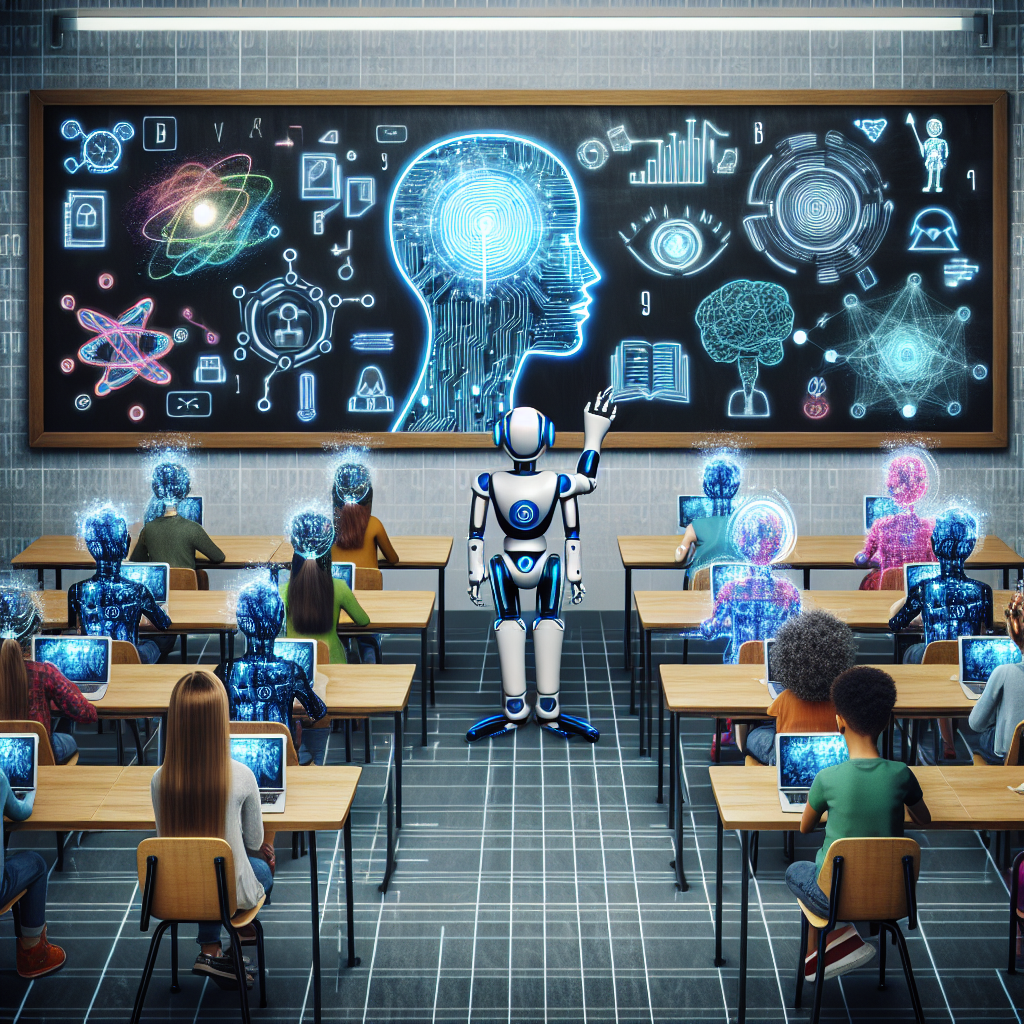
The Future of Education with AI
Artificial Intelligence (AI) has been transforming various industries, and education is no exception. With advancements in AI technology, the future of education is set to be revolutionized in ways we never thought possible. From personalized learning experiences to intelligent tutoring systems, AI is reshaping the way we learn and teach. In this article, we will explore the impact of AI on education and how it is shaping the future of learning.
AI in Education
AI has the potential to enhance the learning experience for students by providing personalized and adaptive learning opportunities. With AI-powered tools, educators can better understand each student’s strengths and weaknesses, allowing them to tailor their teaching methods to meet the individual needs of each student.
One of the key benefits of AI in education is its ability to provide real-time feedback to students. This can help students identify areas where they need improvement and make adjustments to their learning strategies. AI can also help educators track student progress more effectively, allowing them to intervene early if a student is struggling.
Another area where AI is making a significant impact in education is in the development of intelligent tutoring systems. These systems use AI algorithms to provide personalized tutoring to students based on their individual learning styles and needs. This can help students learn at their own pace and in a way that is most effective for them.
AI can also help streamline administrative tasks in education, such as grading assignments and managing student records. This can free up educators to focus more on teaching and providing support to students.
Challenges and Opportunities
While AI holds great promise for the future of education, there are also challenges that need to be addressed. One of the key challenges is ensuring that AI systems are ethical and unbiased. AI algorithms can sometimes perpetuate existing biases and inequalities, so it is important to develop AI systems that are fair and inclusive.
There is also a concern that AI could replace teachers in the classroom. While AI can enhance teaching and learning, it is important to remember that the human element is essential in education. Teachers provide emotional support, mentorship, and inspiration to students, which AI cannot fully replicate.
Despite these challenges, there are many opportunities for AI to improve education. For example, AI can help bridge the gap in access to quality education by providing personalized learning experiences to students in remote areas or underserved communities. AI can also help address the global teacher shortage by providing support to educators and making teaching more efficient.
FAQs
1. How is AI being used in education today?
AI is being used in education in a variety of ways, including providing personalized learning experiences, intelligent tutoring systems, and streamlining administrative tasks. AI can help educators better understand student needs and provide real-time feedback to help students learn more effectively.
2. Can AI replace teachers in the classroom?
While AI can enhance teaching and learning, it is unlikely to replace teachers entirely. Teachers provide emotional support, mentorship, and inspiration to students, which AI cannot fully replicate. AI can support teachers by providing personalized tutoring and streamlining administrative tasks.
3. How can AI help address the global teacher shortage?
AI can help address the global teacher shortage by providing support to educators and making teaching more efficient. AI-powered tools can help teachers track student progress, provide personalized tutoring, and streamline administrative tasks, allowing educators to focus more on teaching and providing support to students.
4. What are some of the challenges of using AI in education?
Some of the challenges of using AI in education include ensuring that AI systems are ethical and unbiased, and that they do not perpetuate existing biases and inequalities. It is also important to remember that the human element is essential in education, and that teachers provide emotional support, mentorship, and inspiration to students.
In conclusion, AI has the potential to revolutionize the future of education by providing personalized learning experiences, intelligent tutoring systems, and streamlining administrative tasks. While there are challenges that need to be addressed, there are also many opportunities for AI to improve education and provide access to quality learning experiences for all students. By leveraging the power of AI in education, we can create a more inclusive and equitable learning environment for students around the world.