
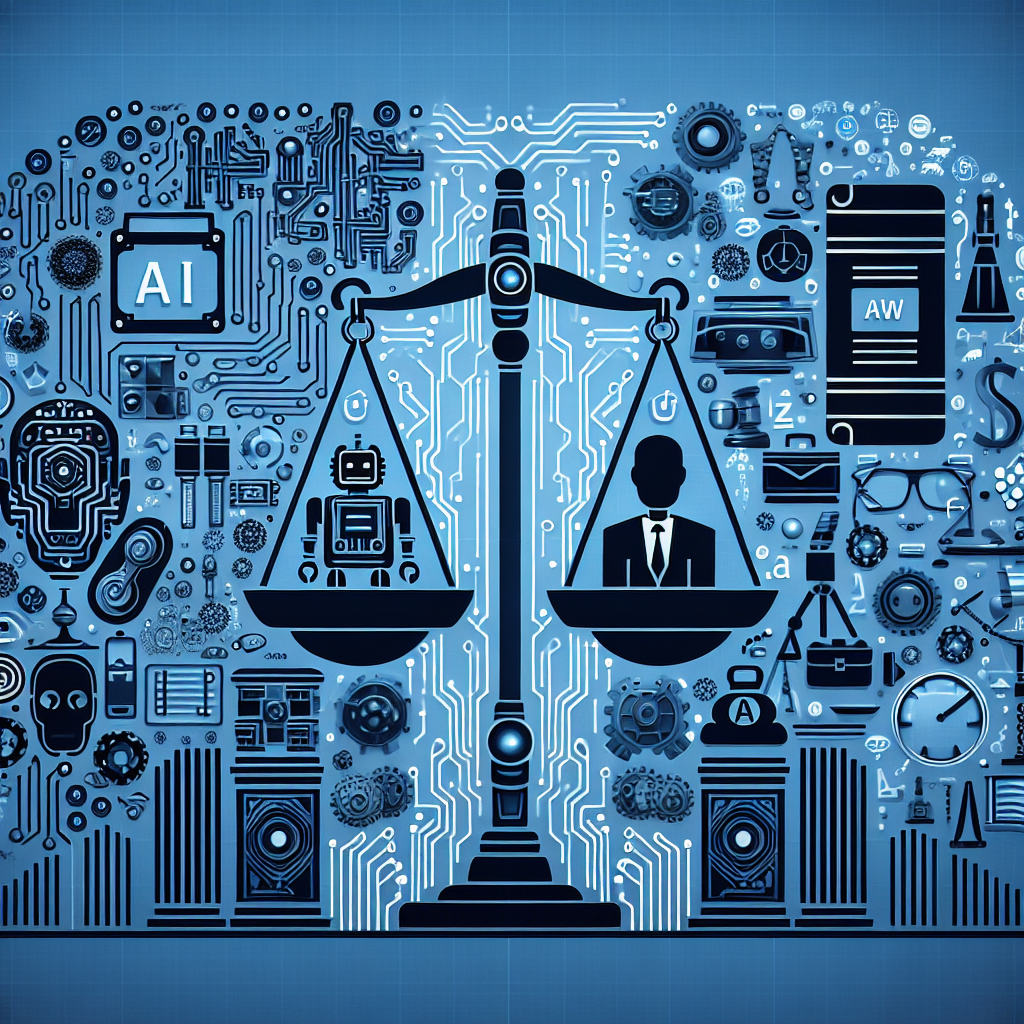
Artificial Intelligence (AI) has revolutionized many aspects of our lives, including how we work. In the realm of employment law, AI presents both opportunities and challenges for employers and employees alike. As AI continues to advance and become more integrated into the workplace, it is important to address the legal implications and potential issues that may arise.
One of the main challenges that AI presents in the context of employment law is the potential for discrimination. AI systems can be programmed with biases that may lead to discriminatory outcomes in areas such as hiring, promotion, and performance evaluation. Employers must be vigilant in ensuring that their AI systems are fair and unbiased, and that they comply with anti-discrimination laws.
Another challenge is the impact of AI on job displacement. As AI technology becomes more sophisticated, there is a concern that it may replace human workers in certain roles. This raises questions about the rights of displaced workers, including whether they are entitled to retraining or other forms of support. Employers must consider how to navigate this new landscape while also ensuring that they comply with labor laws and regulations.
Additionally, AI raises questions about data privacy and security in the workplace. AI systems often collect and analyze vast amounts of data about employees, which raises concerns about how this data is used and protected. Employers must be transparent about their data practices and ensure that they comply with privacy laws and regulations.
Despite these challenges, AI also presents opportunities for employers to improve efficiency, productivity, and decision-making in the workplace. AI systems can streamline processes, analyze data more effectively, and even predict future trends. Employers can harness the power of AI to make more informed decisions and create a more productive and inclusive work environment.
To address these challenges and opportunities, it is crucial for employers to stay informed about the legal implications of AI in the workplace. This includes understanding the relevant laws and regulations, implementing policies and procedures to ensure compliance, and staying up-to-date on best practices in AI ethics and governance.
Frequently Asked Questions:
Q: Can AI be used in the hiring process?
A: Yes, AI can be used in the hiring process to streamline and improve recruitment efforts. However, employers must ensure that their AI systems are fair and unbiased, and that they comply with anti-discrimination laws.
Q: What are the potential risks of using AI in the workplace?
A: Some potential risks of using AI in the workplace include the potential for discrimination, job displacement, and data privacy and security concerns. Employers must be aware of these risks and take steps to mitigate them.
Q: How can employers ensure that their AI systems are fair and unbiased?
A: Employers can ensure that their AI systems are fair and unbiased by carefully reviewing the algorithms and data sets used in their systems, testing for biases, and implementing safeguards to prevent discrimination.
Q: What are some best practices for employers using AI in the workplace?
A: Some best practices for employers using AI in the workplace include being transparent about their data practices, ensuring compliance with privacy laws and regulations, and staying informed about the legal implications of AI in the workplace.
In conclusion, AI presents both challenges and opportunities for employers and employees in the realm of employment law. By staying informed about the legal implications of AI in the workplace and implementing best practices, employers can harness the power of AI to create a more efficient and inclusive work environment while also ensuring compliance with relevant laws and regulations.