
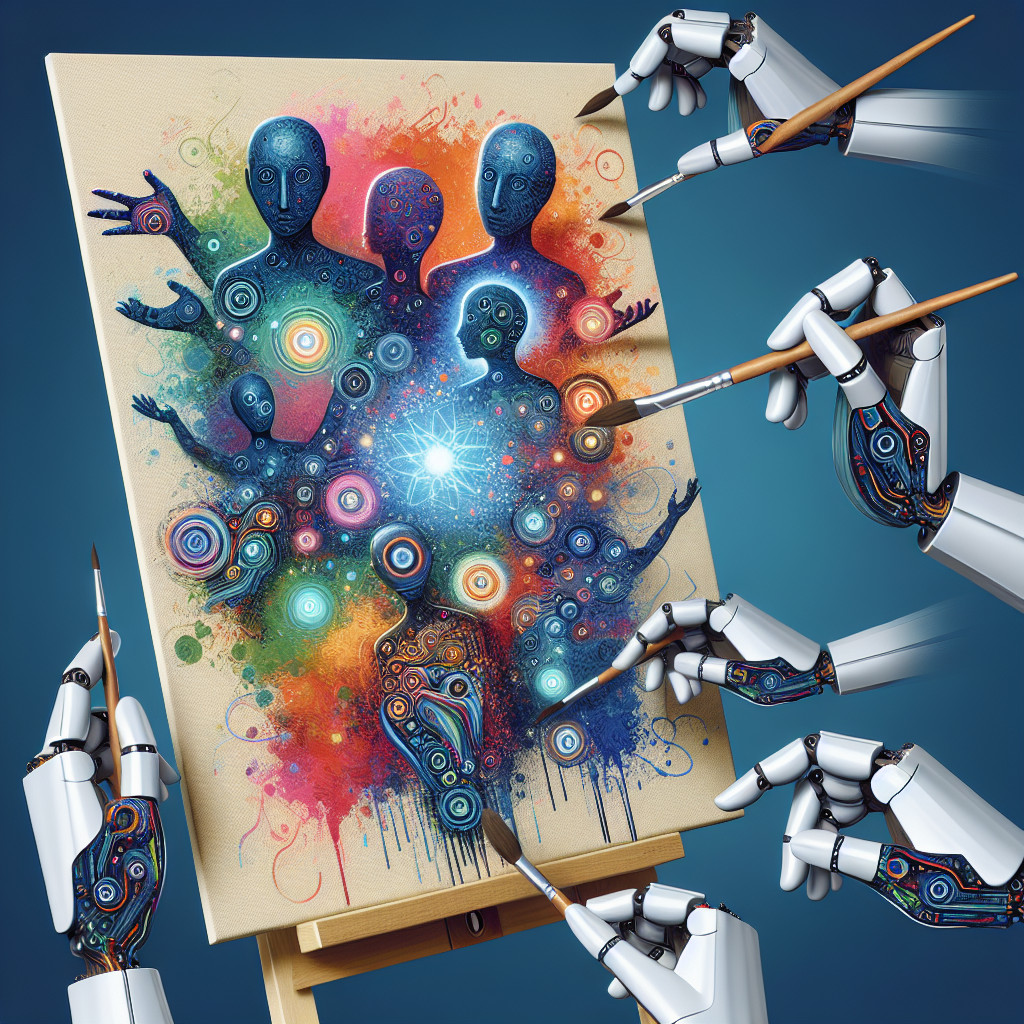
Artificial Intelligence (AI) has been making significant strides in the world of art, revolutionizing the way we create and consume artistic works. From generating new art pieces to helping artists explore new possibilities, AI is changing the landscape of creativity and expression. In this article, we will explore how AI is democratizing art, allowing more people to unleash their creativity and express themselves in new ways.
One of the most exciting aspects of AI in art is its ability to generate new artistic works. AI algorithms can analyze existing artworks, learn patterns, and generate new pieces that mimic the style of famous artists or create entirely new styles. This opens up a world of possibilities for artists, allowing them to experiment with new techniques and styles that they may not have considered before. AI can also help artists overcome creative blocks by suggesting new ideas or generating new concepts to explore.
AI is also helping to democratize art by making it more accessible to a wider audience. With the rise of digital platforms and online galleries, artists can reach a global audience with their work, breaking down traditional barriers to entry in the art world. AI algorithms can also help curate and recommend art to users based on their preferences, making it easier for people to discover new artists and artworks that they may not have found otherwise.
Another way that AI is democratizing art is by providing tools and resources for artists to create and collaborate more efficiently. AI-powered software can help artists with tasks such as color matching, image editing, and even creating music compositions. This allows artists to focus more on their creative process and less on the technical aspects of their work. AI can also facilitate collaboration between artists by providing a platform for sharing ideas, feedback, and resources.
One of the most controversial aspects of AI in art is the concept of AI-generated art. Some argue that AI-generated art lacks the emotional depth and human touch of traditional art, while others see it as a new form of artistic expression. Regardless of the debate, AI-generated art is becoming increasingly popular, with artists and collectors alike embracing this new medium.
AI is also revolutionizing the way we experience and interact with art. Virtual reality (VR) and augmented reality (AR) technologies are allowing users to immerse themselves in art experiences like never before. AI algorithms can analyze user behavior and preferences to personalize art experiences, creating a more engaging and interactive environment for viewers.
Despite the many benefits of AI in art, there are also concerns about the impact of AI on the art world. Some worry that AI may replace human artists, leading to a homogenization of artistic styles and ideas. Others are concerned about the ethical implications of AI-generated art, such as issues of copyright and ownership. As AI continues to evolve, it will be important for artists, collectors, and policymakers to consider these implications and address them accordingly.
In conclusion, AI is revolutionizing the world of art, democratizing creativity and expression in ways we never thought possible. From generating new art pieces to helping artists explore new possibilities, AI is changing the way we create, consume, and experience art. As AI continues to evolve, it will be exciting to see how it shapes the future of art and opens up new opportunities for artists and art lovers alike.
FAQs:
Q: Can AI really create art?
A: Yes, AI algorithms can analyze existing artworks, learn patterns, and generate new pieces that mimic the style of famous artists or create entirely new styles.
Q: Will AI replace human artists?
A: While AI has the potential to assist artists in their creative process, it is unlikely to replace human artists entirely. AI-generated art is seen as a new form of artistic expression rather than a replacement for human creativity.
Q: What are the ethical implications of AI-generated art?
A: There are concerns about issues of copyright and ownership in AI-generated art, as well as questions about the emotional depth and human touch of AI-generated art compared to traditional art.
Q: How can artists benefit from AI in their work?
A: AI can help artists overcome creative blocks, suggest new ideas, assist with technical tasks such as color matching and image editing, and facilitate collaboration between artists.