
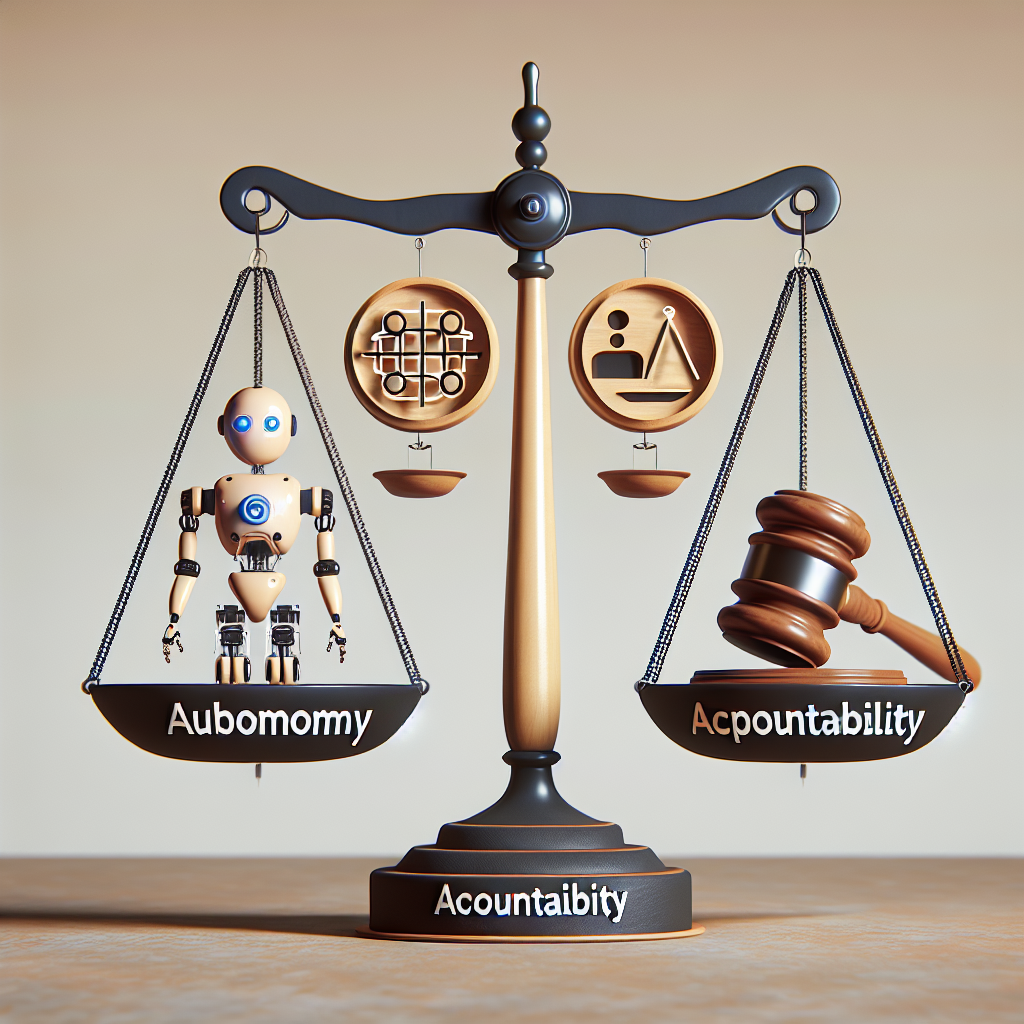
The Ethics of AI: Balancing Autonomy and Accountability in Autonomous Systems
Artificial Intelligence (AI) has rapidly advanced in recent years, leading to the development of autonomous systems that have the ability to make decisions and take actions without human intervention. While these systems have the potential to revolutionize various industries and improve efficiency, they also raise ethical concerns regarding the balance between autonomy and accountability.
In this article, we will explore the ethical considerations surrounding AI and autonomous systems, and discuss how we can ensure that these technologies are used responsibly and ethically.
Autonomy vs. Accountability
One of the key ethical dilemmas surrounding AI and autonomous systems is the balance between autonomy and accountability. On one hand, autonomous systems are designed to operate independently and make decisions without human intervention. This autonomy allows these systems to process large amounts of data quickly and make decisions in real-time, which can lead to greater efficiency and productivity.
However, this autonomy also raises concerns about accountability. If an autonomous system makes a decision that results in harm or violates ethical principles, who is responsible? Should the designers and programmers of the system be held accountable, or should the system itself be held responsible for its actions?
These questions become even more complex when considering the potential for AI systems to learn and adapt over time. Machine learning algorithms, for example, can improve their performance through experience and feedback, which can lead to unexpected or unintended outcomes. In these cases, it may be difficult to predict or control the behavior of an autonomous system, raising further concerns about accountability.
Ethical Considerations
To address these ethical considerations, it is important to establish clear guidelines and regulations for the development and use of autonomous systems. Ethical frameworks such as the Principles for AI developed by the European Commission and the IEEE Global Initiative for Ethical Considerations in AI and Autonomous Systems provide guidelines for ensuring that AI technologies are used responsibly and ethically.
These frameworks emphasize the importance of transparency, accountability, and fairness in the design and implementation of AI systems. For example, developers and designers of autonomous systems should be transparent about how their systems work and the data they use to make decisions. They should also ensure that their systems are designed to prioritize the well-being of individuals and society as a whole, rather than maximizing efficiency or profit.
In addition, these frameworks emphasize the importance of accountability in the development and use of AI systems. Developers and designers should be held accountable for the decisions made by their systems, and mechanisms should be put in place to ensure that individuals affected by these decisions have recourse in the event of harm or injustice.
Balancing Autonomy and Accountability
Balancing autonomy and accountability in autonomous systems requires a careful consideration of the potential risks and benefits of these technologies. While autonomy can lead to greater efficiency and productivity, it also raises concerns about the potential for harm or ethical violations. By establishing clear guidelines and regulations for the development and use of AI systems, we can ensure that these technologies are used responsibly and ethically.
Frequently Asked Questions
Q: How can we ensure that autonomous systems are used ethically?
A: To ensure that autonomous systems are used ethically, it is important to establish clear guidelines and regulations for the development and use of these technologies. Developers and designers should prioritize transparency, accountability, and fairness in the design and implementation of AI systems, and mechanisms should be put in place to hold individuals accountable for the decisions made by these systems.
Q: What are some examples of ethical dilemmas surrounding AI and autonomous systems?
A: Some examples of ethical dilemmas surrounding AI and autonomous systems include concerns about bias and discrimination in decision-making algorithms, the potential for harm or ethical violations resulting from autonomous systems, and questions about the accountability of individuals responsible for the decisions made by these systems.
Q: How can we address bias and discrimination in AI systems?
A: To address bias and discrimination in AI systems, developers and designers should prioritize fairness and transparency in the design and implementation of these technologies. They should also ensure that their systems are designed to prioritize the well-being of individuals and society as a whole, rather than perpetuating existing biases or discrimination.
Q: What role do regulations play in ensuring the ethical use of AI and autonomous systems?
A: Regulations play a critical role in ensuring the ethical use of AI and autonomous systems. By establishing clear guidelines and regulations for the development and use of these technologies, we can ensure that they are used responsibly and ethically. Regulations can help to hold individuals accountable for the decisions made by autonomous systems, and provide mechanisms for recourse in the event of harm or injustice.
In conclusion, the ethics of AI and autonomous systems require a careful balancing of autonomy and accountability. By prioritizing transparency, accountability, and fairness in the design and implementation of these technologies, we can ensure that AI systems are used responsibly and ethically. Regulations and guidelines play a critical role in ensuring the ethical use of AI technologies, and it is important for developers and designers to consider the potential risks and benefits of these technologies in order to address ethical dilemmas and ensure that AI systems prioritize the well-being of individuals and society as a whole.