
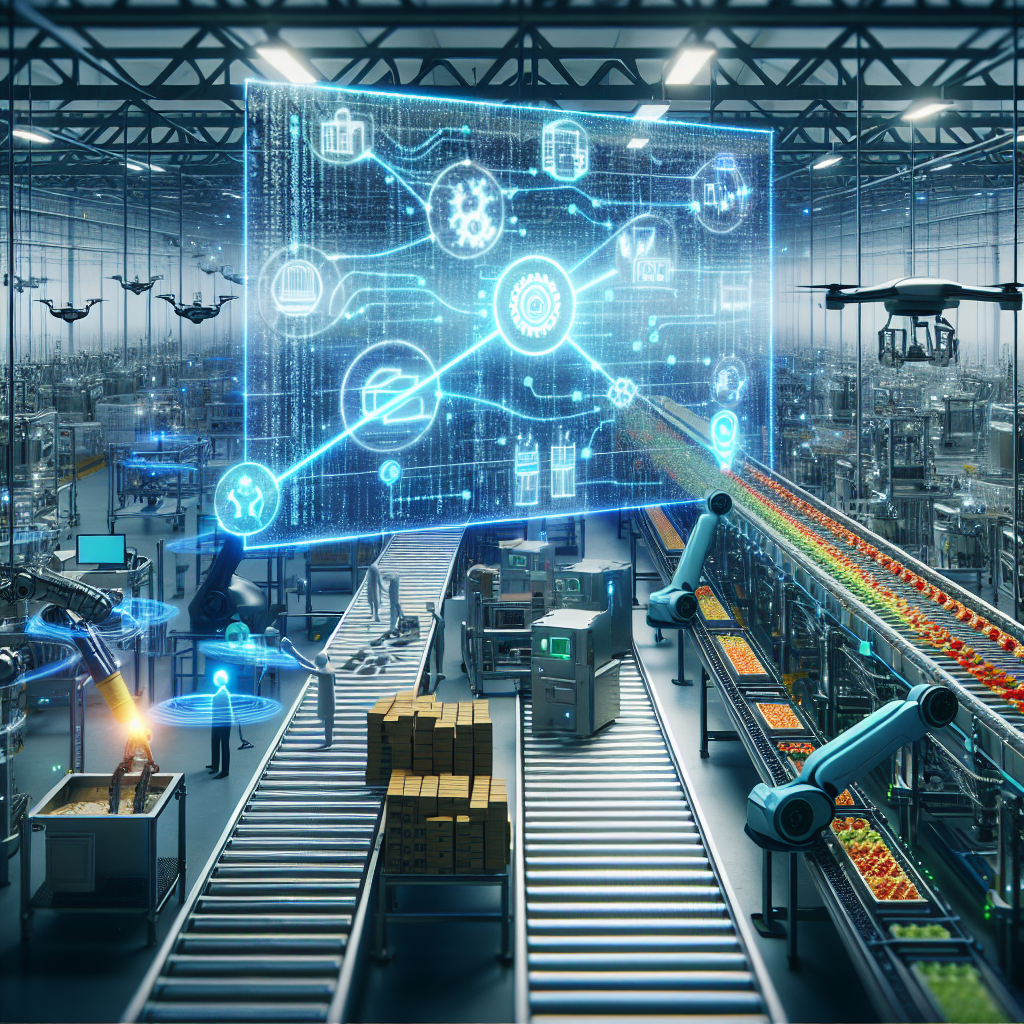
AI-Enhanced Traceability in Food Manufacturing
Introduction
In recent years, the food industry has seen a growing demand for traceability and transparency in the supply chain. Consumers are becoming more conscious of where their food comes from and how it is processed. This has led to an increased focus on implementing technologies such as artificial intelligence (AI) to enhance traceability in food manufacturing.
AI has the capability to revolutionize traceability in the food industry by providing real-time data analytics, predictive modeling, and automated processes. With AI-enhanced traceability, food manufacturers can track the entire journey of a product from farm to fork, ensuring quality, safety, and compliance with regulations.
Benefits of AI-Enhanced Traceability
1. Improved Product Quality: By using AI to trace the origins of raw materials and ingredients, food manufacturers can ensure the quality and authenticity of their products. This can help in identifying and addressing any issues in the supply chain that could affect product quality.
2. Enhanced Food Safety: AI can help in identifying potential food safety risks by monitoring and analyzing data at every stage of the production process. This can help in preventing foodborne illnesses and ensuring that products meet safety standards.
3. Increased Efficiency: AI can automate processes such as data collection, analysis, and reporting, saving time and reducing the likelihood of human error. This can lead to increased efficiency in food manufacturing operations.
4. Regulatory Compliance: With AI-enhanced traceability, food manufacturers can easily track and report on the compliance of their products with regulations and standards. This can help in reducing the risk of recalls and penalties.
5. Consumer Trust: By providing transparent information on the sourcing and production of their products, food manufacturers can build trust with consumers who are increasingly concerned about the origins of their food.
Implementation of AI in Traceability
There are several ways in which AI can be implemented in traceability in food manufacturing:
1. Data Collection: AI can collect and analyze data from various sources such as sensors, RFID tags, and barcodes to track the movement of products throughout the supply chain.
2. Predictive Modeling: AI can use historical data to predict potential issues in the supply chain, such as spoilage, contamination, or delays. This can help in proactively addressing these issues before they become a problem.
3. Real-Time Monitoring: AI can provide real-time monitoring of the production process, allowing manufacturers to quickly identify and respond to any deviations from standards.
4. Blockchain Technology: AI can be integrated with blockchain technology to create a secure and immutable record of the entire supply chain. This can help in ensuring transparency and preventing fraud.
FAQs
Q: How can AI help in ensuring the authenticity of food products?
A: AI can track the origins of raw materials and ingredients, analyze data to detect any anomalies, and provide a secure record of the entire supply chain. This can help in ensuring the authenticity of food products.
Q: What are the challenges in implementing AI in traceability in food manufacturing?
A: Some challenges in implementing AI in traceability include the cost of implementing new technologies, the need for specialized skills to manage and interpret data, and concerns about data privacy and security.
Q: How can AI help in improving food safety in the supply chain?
A: AI can monitor and analyze data at every stage of the production process to identify potential food safety risks. This can help in preventing foodborne illnesses and ensuring that products meet safety standards.
Q: What are the benefits of integrating AI with blockchain technology in traceability?
A: Integrating AI with blockchain technology can create a secure and immutable record of the entire supply chain, ensuring transparency and preventing fraud. This can help in building trust with consumers and regulators.
Conclusion
AI-enhanced traceability has the potential to revolutionize the food industry by providing real-time data analytics, predictive modeling, and automated processes. By implementing AI in traceability, food manufacturers can improve product quality, enhance food safety, increase efficiency, ensure regulatory compliance, and build trust with consumers.
As consumers continue to demand transparency in the food supply chain, AI-enhanced traceability will become increasingly important for food manufacturers. By leveraging the power of AI, food manufacturers can ensure the quality and safety of their products while meeting the expectations of an increasingly informed consumer base.