
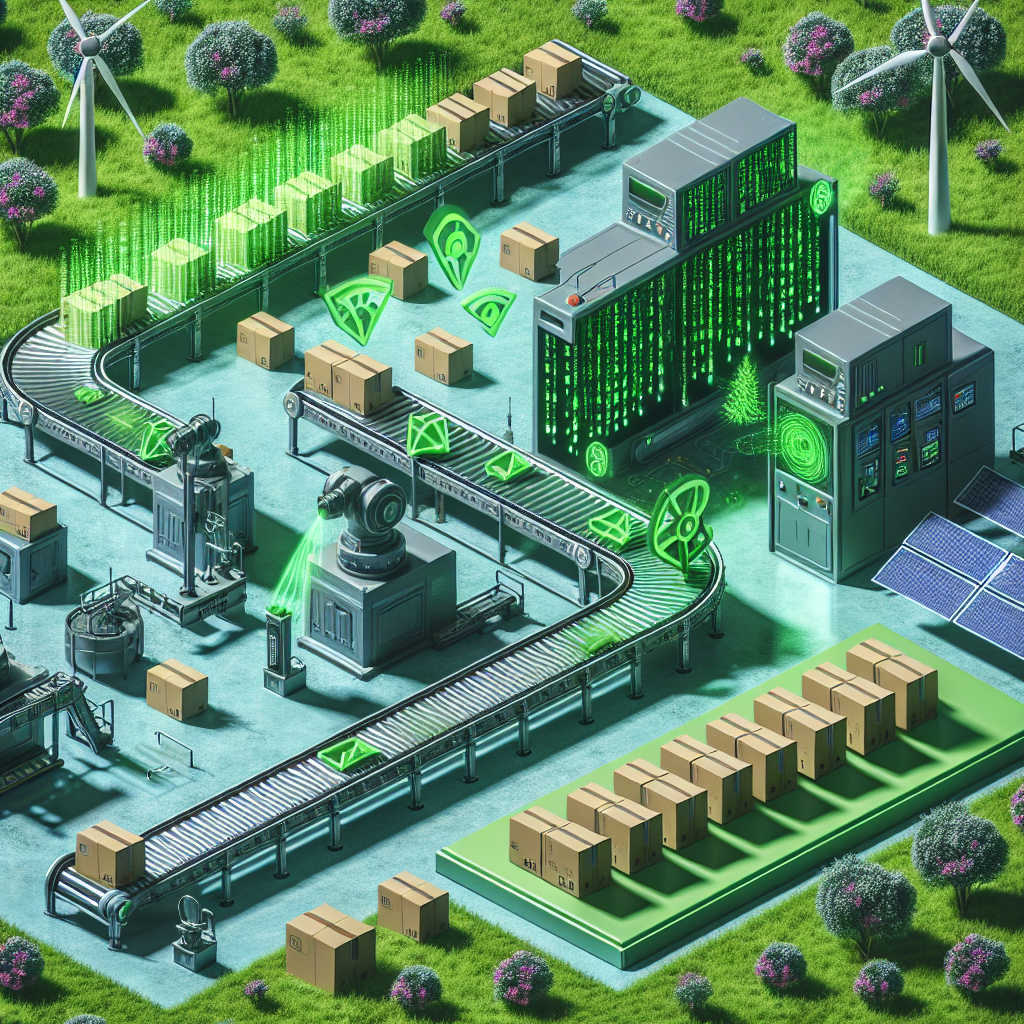
Artificial intelligence (AI) has been making significant strides in the manufacturing industry, particularly in the development of sustainable packaging solutions. As concerns about the environment and climate change continue to grow, the need for sustainable packaging has become more urgent. AI technology offers new opportunities for manufacturers to create innovative and environmentally friendly packaging solutions that are both cost-effective and efficient.
One of the key benefits of using AI in sustainable packaging solutions is its ability to optimize packaging design and materials. Through machine learning algorithms, AI can analyze vast amounts of data to identify the most efficient and environmentally friendly materials for packaging. This can help manufacturers reduce waste, minimize carbon emissions, and lower production costs. For example, AI can help identify biodegradable materials that are both durable and eco-friendly, leading to the development of packaging solutions that are better for the environment.
AI can also help manufacturers streamline their production processes and reduce energy consumption. By using predictive analytics, AI can optimize the manufacturing process to minimize waste and energy usage. This can result in significant cost savings for manufacturers while also reducing their environmental impact. For example, AI can optimize the use of resources such as water and electricity in the production of packaging materials, leading to a more sustainable manufacturing process.
In addition, AI can also improve the efficiency of supply chains by optimizing logistics and transportation. By using AI-powered algorithms, manufacturers can optimize the routing of shipments, reduce transportation costs, and minimize carbon emissions. This can help reduce the environmental impact of packaging materials by ensuring that they are transported in the most efficient and eco-friendly manner possible.
Furthermore, AI can also help manufacturers improve the recyclability of their packaging materials. By analyzing data on recycling rates and consumer behavior, AI can help manufacturers design packaging that is easier to recycle and more likely to be reused. This can help reduce the amount of packaging waste that ends up in landfills, leading to a more sustainable packaging solution.
Overall, AI technology offers manufacturers new opportunities to create innovative and sustainable packaging solutions that are both cost-effective and environmentally friendly. By leveraging AI algorithms and machine learning, manufacturers can optimize their production processes, reduce waste, and minimize their environmental impact. This can help address the growing concerns about climate change and environmental sustainability while also providing benefits in terms of cost savings and operational efficiency.
FAQs:
Q: How can AI help manufacturers create more sustainable packaging solutions?
A: AI can help manufacturers analyze data, optimize production processes, and identify eco-friendly materials for packaging, leading to the development of more sustainable packaging solutions.
Q: What are the benefits of using AI in sustainable packaging solutions?
A: The benefits of using AI in sustainable packaging solutions include cost savings, reduced environmental impact, and improved efficiency in production processes.
Q: How can AI technology improve the recyclability of packaging materials?
A: AI can help manufacturers design packaging that is easier to recycle and more likely to be reused by analyzing data on recycling rates and consumer behavior.
Q: What are some examples of AI-powered sustainable packaging solutions?
A: Examples of AI-powered sustainable packaging solutions include the use of biodegradable materials, optimized production processes, and improved logistics and transportation.
Q: How can manufacturers leverage AI technology to reduce their carbon footprint?
A: Manufacturers can leverage AI technology to optimize their production processes, reduce waste, and minimize energy consumption, leading to a lower carbon footprint.