
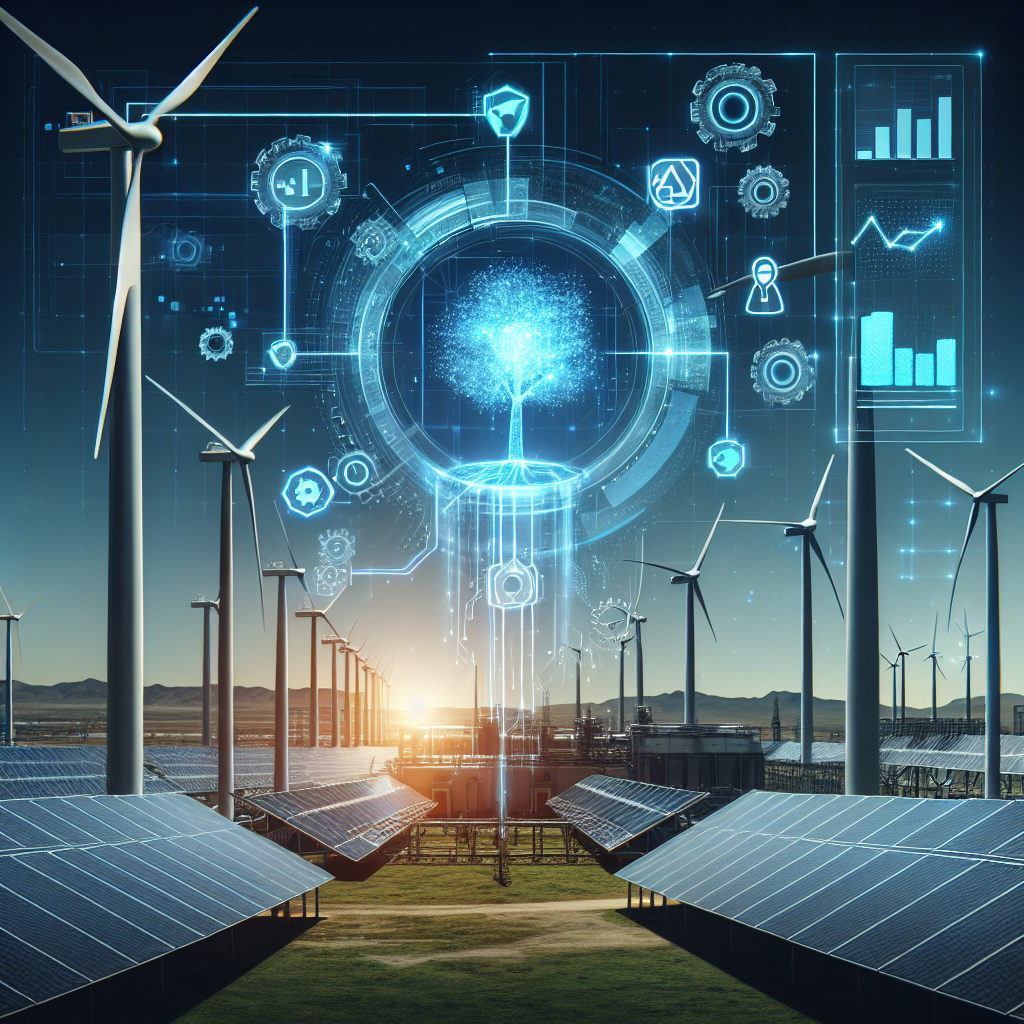
AI-Driven Predictive Maintenance for Renewable Energy Systems
Introduction
Renewable energy sources such as solar, wind, and hydro power have become increasingly popular in recent years as the world seeks to reduce its reliance on fossil fuels and combat climate change. However, like any other type of energy system, renewable energy systems require regular maintenance to ensure they operate efficiently and reliably. Traditional methods of maintenance, such as scheduled inspections and routine repairs, can be time-consuming and costly. This is where AI-driven predictive maintenance comes in.
AI-driven predictive maintenance uses advanced algorithms and machine learning techniques to analyze data from renewable energy systems and predict when maintenance is needed before a breakdown occurs. By proactively identifying potential issues and scheduling maintenance at the optimal time, AI-driven predictive maintenance can help reduce downtime, extend the lifespan of equipment, and ultimately save money for renewable energy system operators.
How AI-Driven Predictive Maintenance Works
AI-driven predictive maintenance works by collecting and analyzing data from sensors installed on renewable energy systems. These sensors continuously monitor various parameters such as temperature, vibration, and energy output. The data collected is then fed into AI algorithms that can detect patterns and anomalies in the data to predict when maintenance is needed.
For example, AI algorithms can analyze the vibration patterns of a wind turbine to detect early signs of mechanical wear and tear. By comparing the current vibration data with historical data, the AI system can predict when a component is likely to fail and schedule maintenance before a breakdown occurs.
Similarly, in solar energy systems, AI algorithms can analyze data on energy output and weather conditions to predict when a panel may be underperforming or when a cleaning or maintenance is needed.
Benefits of AI-Driven Predictive Maintenance for Renewable Energy Systems
There are several benefits to using AI-driven predictive maintenance for renewable energy systems:
1. Reduced downtime: By predicting when maintenance is needed before a breakdown occurs, AI-driven predictive maintenance can help reduce downtime and ensure that renewable energy systems operate efficiently.
2. Cost savings: Proactively scheduling maintenance at the optimal time can help reduce the costs associated with emergency repairs and unplanned downtime.
3. Extended equipment lifespan: By detecting potential issues early and addressing them promptly, AI-driven predictive maintenance can help extend the lifespan of equipment in renewable energy systems.
4. Improved safety: By monitoring equipment conditions in real-time, AI-driven predictive maintenance can help prevent accidents and improve overall safety in renewable energy systems.
FAQs
Q: How accurate is AI-driven predictive maintenance in renewable energy systems?
A: AI-driven predictive maintenance can be highly accurate, especially when trained on large amounts of historical data. The accuracy of the predictions can vary depending on the quality of the data and the complexity of the algorithms used.
Q: Can AI-driven predictive maintenance be used for all types of renewable energy systems?
A: Yes, AI-driven predictive maintenance can be used for a wide range of renewable energy systems, including solar, wind, and hydro power systems. The key is to have sensors installed on the equipment to collect data that can be analyzed by AI algorithms.
Q: How much does it cost to implement AI-driven predictive maintenance for renewable energy systems?
A: The cost of implementing AI-driven predictive maintenance can vary depending on the size and complexity of the renewable energy system. However, the long-term cost savings from reduced downtime and improved efficiency can outweigh the initial investment.
Q: How often should maintenance be performed using AI-driven predictive maintenance?
A: The frequency of maintenance using AI-driven predictive maintenance can vary depending on the specific system and the algorithms used. Generally, maintenance should be performed as needed based on the predictions generated by the AI system.
Conclusion
AI-driven predictive maintenance is a powerful tool that can help improve the efficiency, reliability, and cost-effectiveness of renewable energy systems. By proactively identifying potential issues and scheduling maintenance at the optimal time, AI-driven predictive maintenance can help operators maximize the performance of their renewable energy systems and minimize downtime. As the world continues to transition to renewable energy sources, AI-driven predictive maintenance will play an increasingly important role in ensuring that these systems operate smoothly and effectively.