
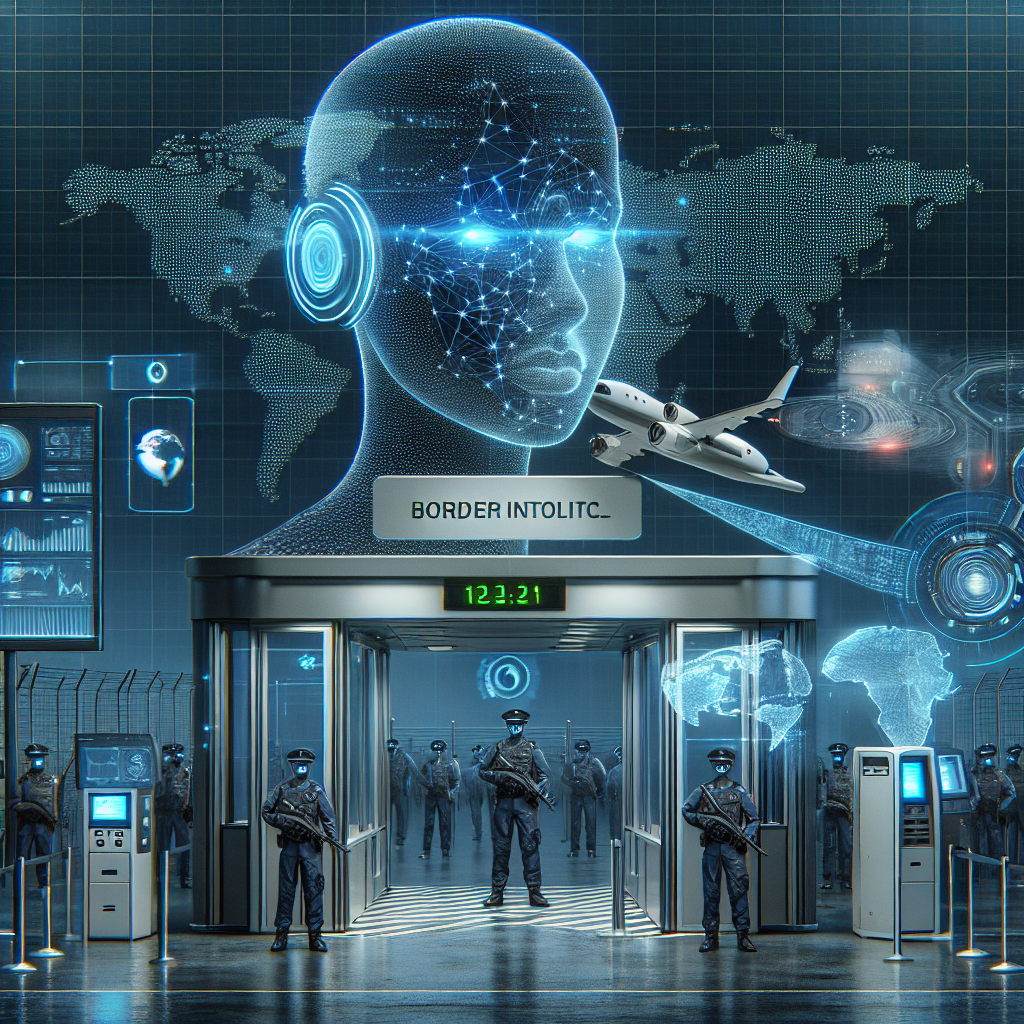
Artificial Intelligence (AI) has been making significant strides in various industries, and one area where it is increasingly being utilized is in border control. With the rise of global terrorism, human trafficking, and illegal immigration, countries around the world are constantly looking for ways to enhance their security measures. AI has emerged as a powerful tool that can help border control agencies improve their efficiency and effectiveness in monitoring and securing their borders.
AI technology is being used in various ways in border control, including facial recognition, biometric identification, and predictive analytics. These tools can help border control agencies identify and track individuals of interest, detect suspicious behavior, and predict potential threats before they occur. By leveraging AI, border control agencies can make their operations more efficient, accurate, and reliable, ultimately enhancing their ability to protect their borders and keep their citizens safe.
Facial recognition technology, for example, allows border control agencies to quickly and accurately identify individuals entering or leaving the country by comparing their facial features against a database of known suspects. This can help prevent criminals and terrorists from crossing borders undetected and enable border control officers to take appropriate action in real-time.
Biometric identification is another AI technology that is being used in border control to verify the identity of individuals based on unique biological characteristics such as fingerprints, iris patterns, and facial features. This technology is highly accurate and reliable, making it an effective tool for preventing identity fraud and ensuring that only authorized individuals are allowed to enter or leave the country.
Predictive analytics is also playing a key role in enhancing border security measures. By analyzing vast amounts of data from various sources, including social media, travel records, and criminal databases, AI algorithms can identify patterns and trends that may indicate potential threats. This can help border control agencies anticipate and prevent illegal activities before they occur, allowing them to take preemptive action to protect their borders.
In addition to these technologies, AI-powered drones and surveillance systems are being deployed along border areas to monitor and patrol remote and hard-to-reach areas. These drones can provide real-time video feeds and thermal imaging to help border control officers detect and track suspicious activities, such as illegal border crossings or drug smuggling.
Overall, the use of AI in border control is revolutionizing the way countries protect their borders and enhance their security measures. By leveraging the power of AI technology, border control agencies can improve their ability to detect and prevent threats, streamline their operations, and ensure the safety and security of their citizens.
FAQs:
Q: How is AI being used in border control?
A: AI is being used in border control in various ways, including facial recognition, biometric identification, predictive analytics, and drone surveillance. These technologies help border control agencies identify individuals of interest, verify their identities, analyze data to predict potential threats, and monitor border areas for illegal activities.
Q: Is AI in border control effective?
A: Yes, AI in border control has been shown to be highly effective in enhancing security measures and improving the efficiency of border control operations. By leveraging AI technology, border control agencies can better detect and prevent threats, streamline their processes, and ensure the safety and security of their borders.
Q: Are there any privacy concerns with using AI in border control?
A: While AI technology can greatly enhance security measures, there are also privacy concerns associated with its use in border control. Facial recognition and biometric identification technologies, in particular, raise concerns about the collection and storage of individuals’ personal data. It is essential for border control agencies to implement strict privacy policies and safeguards to protect individuals’ privacy rights while using AI technology.
Q: What are the future trends in AI for border control?
A: The future of AI in border control is likely to focus on the development of more advanced technologies, such as autonomous drones, intelligent surveillance systems, and real-time data analysis tools. These technologies will enable border control agencies to further enhance their security measures, improve their response times, and better protect their borders from evolving threats.