
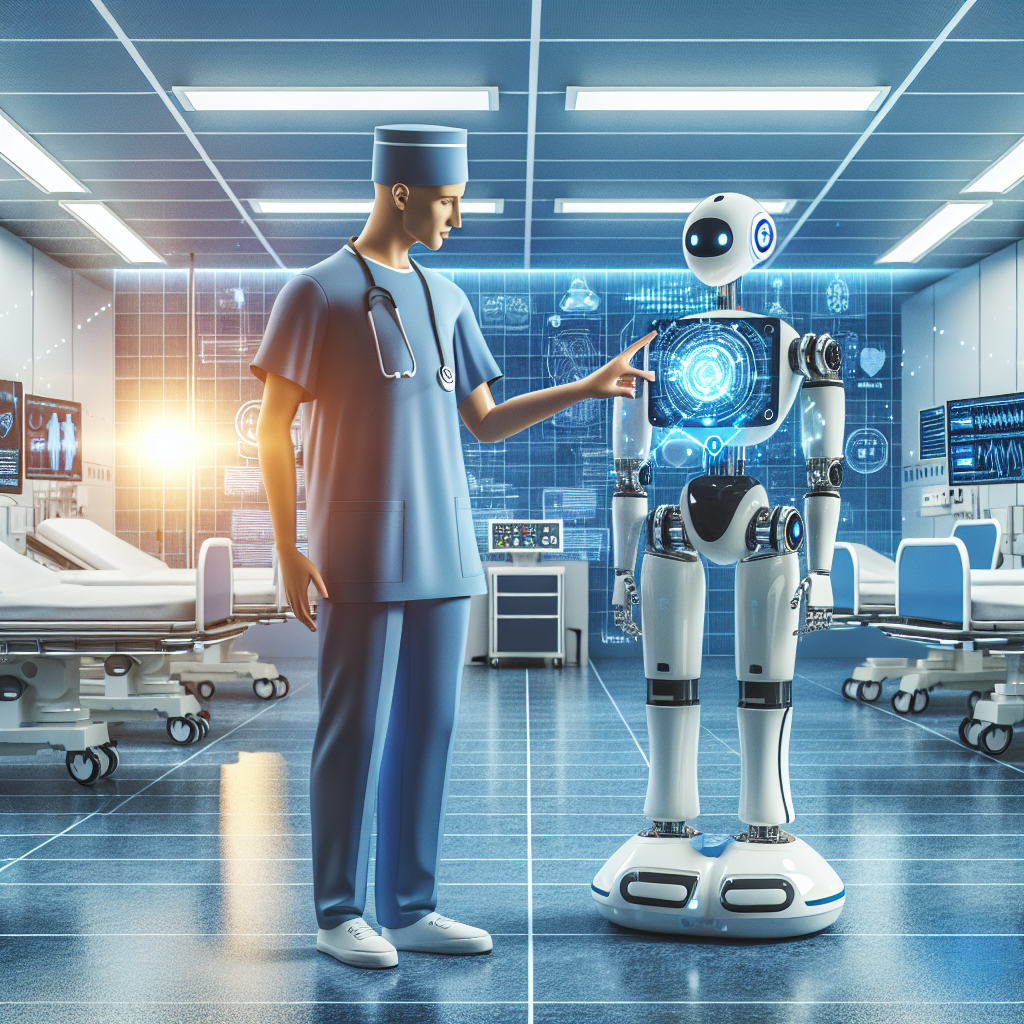
Artificial Intelligence (AI) has been revolutionizing various industries, and healthcare is no exception. In recent years, AI has been increasingly utilized in the healthcare sector to enhance caregiver support and improve patient outcomes. From streamlining administrative tasks to diagnosing diseases more accurately, AI has the potential to transform the way healthcare is delivered. In this article, we will explore the role of AI in healthcare, its benefits for caregivers, and some frequently asked questions about this cutting-edge technology.
AI in Healthcare: Enhancing Caregiver Support
The healthcare industry is facing numerous challenges, such as an aging population, rising healthcare costs, and a shortage of healthcare professionals. AI has the potential to address these challenges by providing valuable support to caregivers and improving the overall quality of care. Here are some ways in which AI is enhancing caregiver support in healthcare:
1. Diagnosis and Treatment Planning: One of the key benefits of AI in healthcare is its ability to assist caregivers in diagnosing diseases and developing treatment plans. AI algorithms can analyze vast amounts of medical data, including patient records, lab results, and imaging scans, to identify patterns and make accurate diagnoses. This can help caregivers make more informed treatment decisions and provide personalized care to patients.
2. Remote Monitoring: AI-powered devices and sensors can monitor patients’ vital signs and health indicators in real-time, allowing caregivers to track patients’ progress and intervene quickly in case of emergencies. This remote monitoring system can help caregivers provide continuous care to patients, particularly those with chronic conditions, without the need for frequent hospital visits.
3. Predictive Analytics: AI can analyze patient data to predict health outcomes and identify patients at risk of developing certain conditions. By using predictive analytics, caregivers can proactively intervene to prevent diseases or manage chronic conditions more effectively. This can lead to better patient outcomes and reduced healthcare costs in the long run.
4. Administrative Support: AI can automate administrative tasks, such as scheduling appointments, managing medical records, and processing insurance claims, freeing up caregivers’ time to focus on patient care. This can improve efficiency in healthcare facilities and reduce the burden on caregivers, allowing them to provide better quality care to patients.
5. Patient Engagement: AI-powered chatbots and virtual assistants can engage with patients, answer their questions, and provide information about their health conditions and treatment plans. This can help caregivers educate patients about their care and empower them to take control of their health. Patient engagement tools can also improve communication between caregivers and patients, leading to better outcomes and higher patient satisfaction.
Frequently Asked Questions about AI in Healthcare
1. What is Artificial Intelligence (AI) in healthcare?
Artificial Intelligence (AI) refers to the use of advanced algorithms and machine learning techniques to analyze and interpret large amounts of data in healthcare. AI can help healthcare professionals make more accurate diagnoses, develop personalized treatment plans, and improve patient outcomes.
2. How is AI used in healthcare?
AI is used in healthcare in various ways, including diagnosing diseases, predicting health outcomes, monitoring patients remotely, automating administrative tasks, and engaging with patients. AI-powered tools and technologies are designed to support caregivers and enhance the quality of care delivered to patients.
3. What are the benefits of AI in healthcare for caregivers?
AI in healthcare offers several benefits for caregivers, including improved diagnostic accuracy, personalized treatment planning, remote monitoring of patients, predictive analytics for early intervention, automation of administrative tasks, and enhanced patient engagement. These benefits can help caregivers provide better quality care to patients and improve overall healthcare outcomes.
4. Are there any challenges associated with AI in healthcare?
While AI offers numerous benefits for caregivers and patients, there are also challenges associated with its implementation in healthcare. These challenges include data privacy and security concerns, regulatory compliance issues, integration with existing healthcare systems, and the need for ongoing training and education for caregivers to use AI effectively.
5. How can caregivers prepare for the use of AI in healthcare?
Caregivers can prepare for the use of AI in healthcare by staying informed about the latest advancements in AI technology, participating in training programs and workshops on AI applications in healthcare, and collaborating with AI experts and data scientists to leverage AI tools effectively. By embracing AI as a valuable tool in healthcare, caregivers can enhance their support for patients and improve the quality of care they deliver.
In conclusion, AI has the potential to revolutionize healthcare by enhancing caregiver support and improving patient outcomes. By leveraging AI-powered tools and technologies, caregivers can make more accurate diagnoses, develop personalized treatment plans, monitor patients remotely, automate administrative tasks, and engage with patients effectively. While there are challenges associated with the implementation of AI in healthcare, the benefits far outweigh the risks. As AI continues to advance, caregivers must embrace this technology to provide better quality care and support to patients in the ever-evolving healthcare landscape.