
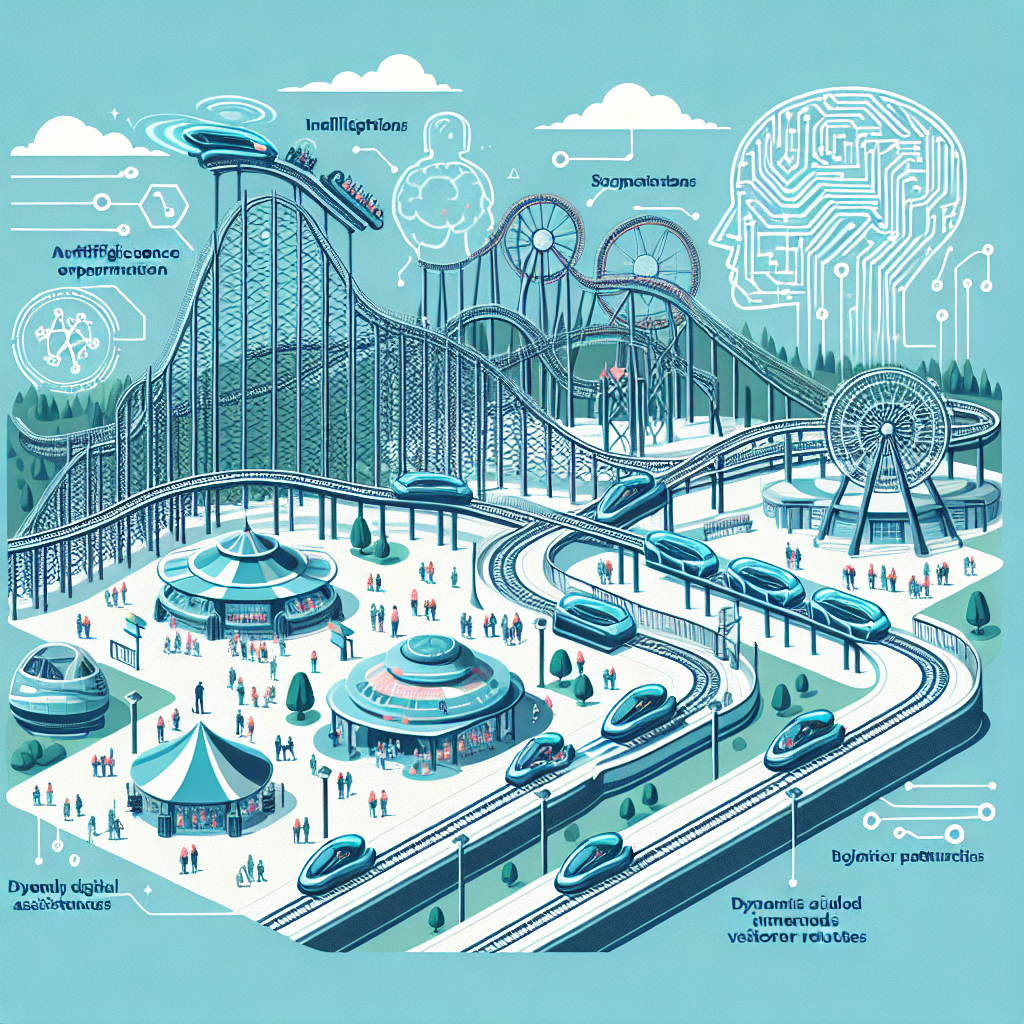
Theme parks are a popular destination for people of all ages looking to enjoy a day of fun and excitement. From thrilling roller coasters to immersive attractions, theme parks offer a wide variety of experiences for guests to enjoy. In recent years, advancements in artificial intelligence (AI) have started to play a significant role in optimizing ride and attraction operations, leading to improved guest experiences and increased efficiency for park operators.
AI in theme park operations is revolutionizing the way rides are managed and maintained, resulting in smoother operations, reduced downtime, and enhanced safety for guests. By leveraging AI technology, theme parks can analyze vast amounts of data in real-time to optimize ride performance, predict maintenance needs, and enhance overall guest satisfaction.
One of the key ways AI is being used in theme park operations is through predictive maintenance. By monitoring the performance of rides and attractions in real-time, AI algorithms can identify potential issues before they escalate into costly downtime. This proactive approach to maintenance not only ensures that rides are operating at peak performance but also helps to prevent accidents and ensure the safety of guests.
Another way AI is being utilized in theme park operations is through the optimization of ride scheduling and capacity management. By analyzing historical data on guest attendance and ride popularity, AI algorithms can predict peak times and adjust ride schedules accordingly to minimize wait times and maximize guest satisfaction. This level of optimization helps to ensure that guests have a seamless and enjoyable experience at the park.
Furthermore, AI is also being used to enhance the overall guest experience through personalized recommendations and interactive experiences. By analyzing guest behavior and preferences, AI algorithms can tailor recommendations for rides, shows, and dining options to individual guests, creating a more personalized and memorable experience. Additionally, AI-powered interactive experiences, such as augmented reality games and personalized photo opportunities, can further enhance the guest experience and encourage repeat visits.
In addition to optimizing ride and attraction operations, AI is also being used to improve overall park management and efficiency. By analyzing data on guest flow, staffing levels, and operational costs, AI algorithms can help park operators make informed decisions to optimize resources and maximize profitability. This level of data-driven decision-making can lead to cost savings, increased revenue, and a more streamlined operation overall.
Overall, the integration of AI in theme park operations is transforming the way parks are managed and enhancing the guest experience in ways never before possible. From predictive maintenance to personalized recommendations, AI technology is revolutionizing the theme park industry and setting new standards for efficiency and guest satisfaction.
FAQs
Q: How does AI help in optimizing ride performance?
A: AI technology can analyze real-time data on ride performance to identify potential issues and predict maintenance needs, leading to smoother operations and reduced downtime.
Q: How does AI improve guest satisfaction at theme parks?
A: By analyzing guest behavior and preferences, AI algorithms can tailor recommendations for rides and attractions, creating a more personalized and enjoyable experience for guests.
Q: How does AI help in managing park operations more efficiently?
A: AI algorithms can analyze data on guest flow, staffing levels, and operational costs to help park operators make informed decisions to optimize resources and maximize profitability.
Q: Is AI technology safe for guests at theme parks?
A: Yes, AI technology is used to enhance safety measures at theme parks by predicting maintenance needs and identifying potential issues before they escalate into accidents.
Q: How can theme parks benefit from integrating AI technology into their operations?
A: Theme parks can benefit from AI technology by optimizing ride performance, enhancing guest satisfaction, improving overall park management, and increasing profitability.