
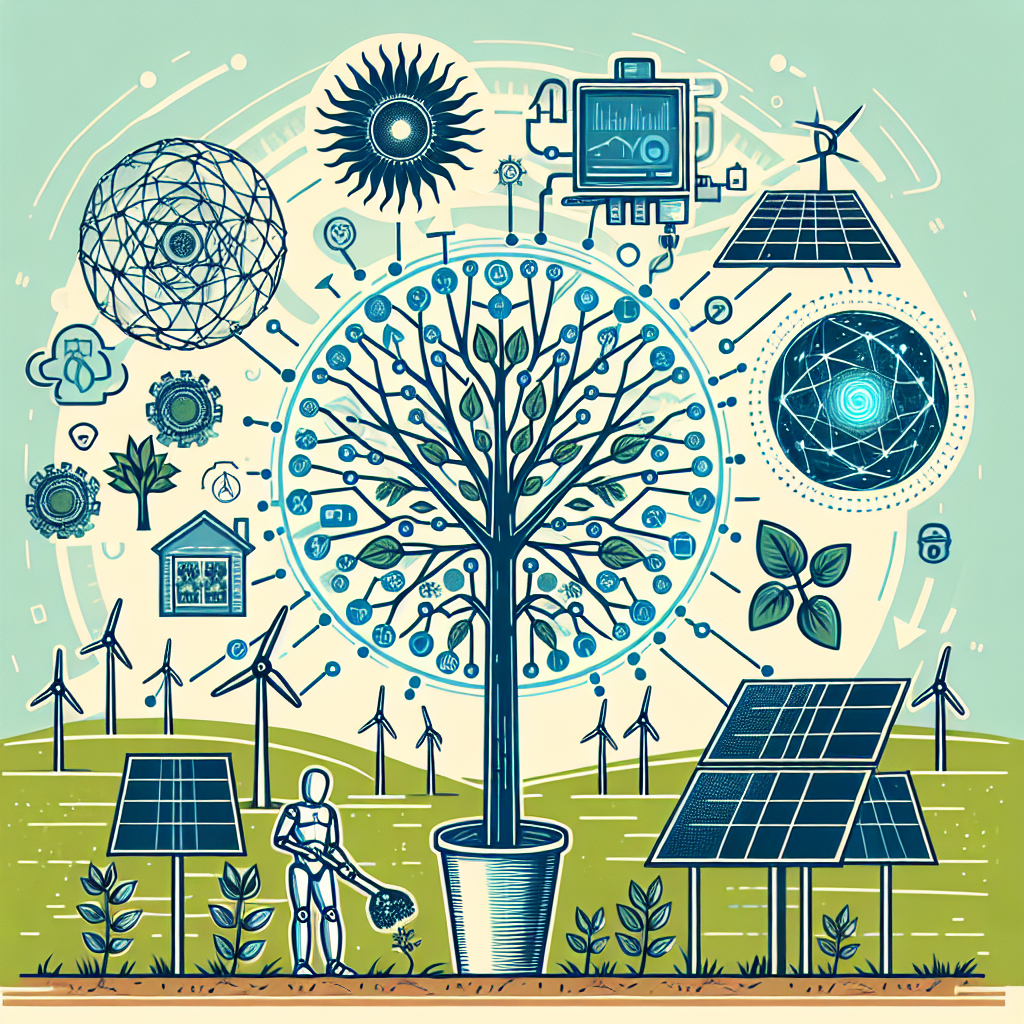
Machine learning is a powerful tool that is revolutionizing numerous industries, but its impact on sustainable development is particularly noteworthy. Sustainable development aims to meet the needs of the present without compromising the ability of future generations to meet their own needs. This involves addressing social, economic, and environmental challenges in a way that promotes long-term well-being for all.
Machine learning, a subset of artificial intelligence, involves the use of algorithms and statistical models to enable computers to learn from and make predictions or decisions based on data. This technology has the potential to drive sustainable development by helping to optimize resource management, improve decision-making processes, and enhance the efficiency of various systems.
The Role of Machine Learning in Sustainable Development
1. Optimize Resource Management
One of the key challenges of sustainable development is the efficient use of resources. Machine learning can help in this regard by analyzing large datasets to identify patterns and trends that can inform better resource management strategies. For example, in agriculture, machine learning algorithms can analyze data on weather patterns, soil conditions, and crop yields to optimize irrigation schedules, reduce waste, and increase productivity.
In the energy sector, machine learning can be used to optimize the operation of power plants, predict energy demand, and improve the efficiency of renewable energy sources. By leveraging machine learning, organizations can reduce their environmental impact, lower costs, and ensure the sustainable use of resources.
2. Enhance Decision-Making Processes
Machine learning can also improve decision-making processes in various sectors, leading to more sustainable outcomes. By analyzing data from multiple sources, machine learning algorithms can provide valuable insights that help policymakers, businesses, and organizations make informed decisions.
For example, in urban planning, machine learning can analyze data on population growth, traffic patterns, and infrastructure development to optimize city layouts, reduce congestion, and improve public transportation systems. In the healthcare sector, machine learning can analyze patient data to predict disease outbreaks, identify at-risk populations, and improve the allocation of resources.
By leveraging machine learning technology, decision-makers can make data-driven decisions that promote sustainable development and address complex challenges more effectively.
3. Enhance System Efficiency
Machine learning can also enhance the efficiency of various systems, leading to more sustainable outcomes. By automating processes, optimizing workflows, and predicting future trends, machine learning can help organizations reduce waste, improve productivity, and minimize environmental impact.
For example, in manufacturing, machine learning algorithms can optimize production schedules, predict equipment failures, and reduce energy consumption. In transportation, machine learning can optimize route planning, reduce fuel consumption, and improve the efficiency of logistics operations.
By enhancing system efficiency, machine learning can help organizations achieve their sustainability goals, reduce costs, and drive innovation in a way that benefits both society and the environment.
Frequently Asked Questions (FAQs)
Q: How can machine learning help address climate change?
A: Machine learning can help address climate change by analyzing large datasets to identify trends, predict future outcomes, and inform better decision-making processes. By leveraging machine learning, organizations can optimize resource management, reduce waste, and improve the efficiency of various systems, leading to more sustainable outcomes.
Q: What are some examples of machine learning applications in sustainable development?
A: Some examples of machine learning applications in sustainable development include optimizing energy consumption, improving crop yields, reducing waste in manufacturing processes, and enhancing the efficiency of transportation systems. By leveraging machine learning technology, organizations can achieve their sustainability goals and drive innovation in a way that benefits both society and the environment.
Q: How can policymakers leverage machine learning to promote sustainable development?
A: Policymakers can leverage machine learning to analyze data, identify trends, and inform better decision-making processes. By incorporating machine learning technology into policy development, policymakers can make more informed decisions that promote sustainable development, address complex challenges, and drive positive change in society.
In conclusion, machine learning has the potential to play a significant role in sustainable development by optimizing resource management, enhancing decision-making processes, and improving the efficiency of various systems. By leveraging machine learning technology, organizations can achieve their sustainability goals, reduce costs, and drive innovation in a way that benefits both society and the environment. As the field of machine learning continues to evolve, its impact on sustainable development is likely to grow, leading to more sustainable outcomes for future generations.