
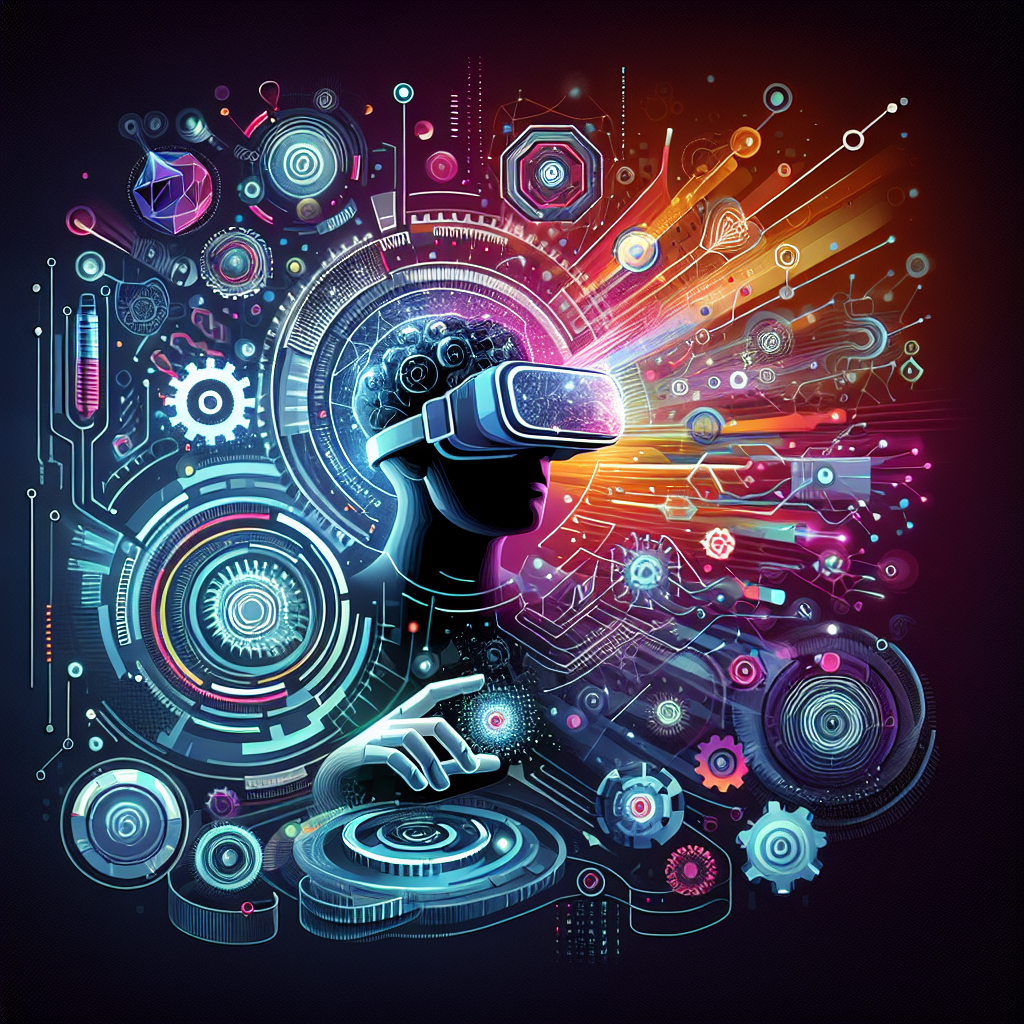
In recent years, the integration of artificial intelligence (AI) in virtual reality (VR) technologies has opened up a world of possibilities for creating truly immersive and engaging experiences. By combining the power of AI with the interactive nature of VR, developers are able to create virtual environments that adapt and respond to the actions and choices of the user, leading to a more dynamic and personalized experience.
One of the key ways in which AI is being integrated into VR is through the use of machine learning algorithms. These algorithms can analyze and interpret data in real-time, allowing for more intelligent and responsive interactions within the virtual environment. For example, AI can be used to track the movements of the user’s hands and body, allowing for more realistic interactions with virtual objects and environments.
Another way in which AI is being utilized in VR is through the creation of intelligent virtual characters. These characters can be programmed to respond to the user’s actions and emotions, creating a more lifelike and engaging experience. For example, AI-powered virtual characters can engage in conversations with the user, adapt their behavior based on the user’s responses, and even learn and evolve over time.
AI integration in VR also opens up new possibilities for creating dynamic and interactive virtual worlds. By using AI algorithms to generate and manipulate virtual environments in real-time, developers can create immersive experiences that adapt and evolve based on the user’s actions and choices. This can lead to more engaging and personalized experiences that keep users coming back for more.
One of the most exciting applications of AI in VR is in the field of virtual training and simulation. By using AI algorithms to create realistic and interactive training scenarios, developers can provide users with hands-on experience in a safe and controlled environment. This can be particularly useful in industries such as healthcare, aviation, and military training, where hands-on experience is essential for mastering complex skills and procedures.
In addition to creating more immersive and engaging experiences, the integration of AI in VR also has the potential to revolutionize the way we interact with technology. By combining the power of AI with the immersive nature of VR, developers can create more intuitive and natural interfaces that respond to the user’s actions and gestures. This can lead to a more seamless and intuitive user experience, making it easier for users to interact with virtual environments and applications.
Overall, the integration of AI in VR has the potential to transform the way we experience and interact with virtual environments. By creating more immersive, dynamic, and personalized experiences, developers are able to push the boundaries of what is possible in virtual reality, opening up new opportunities for creativity, innovation, and engagement.
FAQs:
Q: How does AI enhance the user experience in virtual reality?
A: AI enhances the user experience in virtual reality by creating more dynamic and personalized interactions within the virtual environment. By using machine learning algorithms to analyze and interpret data in real-time, developers can create virtual environments that adapt and respond to the actions and choices of the user, leading to a more immersive and engaging experience.
Q: What are some examples of AI-powered virtual characters in VR?
A: AI-powered virtual characters in VR can engage in conversations with the user, adapt their behavior based on the user’s responses, and even learn and evolve over time. These characters can provide users with a more lifelike and engaging experience, creating a more immersive and interactive virtual environment.
Q: How can AI be used in virtual training and simulation?
A: AI can be used in virtual training and simulation to create realistic and interactive training scenarios. By using AI algorithms to generate and manipulate virtual environments in real-time, developers can provide users with hands-on experience in a safe and controlled environment. This can be particularly useful in industries such as healthcare, aviation, and military training, where hands-on experience is essential for mastering complex skills and procedures.
Q: What are some potential applications of AI integration in VR?
A: Some potential applications of AI integration in VR include creating more immersive and engaging virtual environments, enhancing user interactions with technology, and revolutionizing the way we experience and interact with virtual environments. AI integration in VR has the potential to transform the way we interact with technology, opening up new opportunities for creativity, innovation, and engagement.