
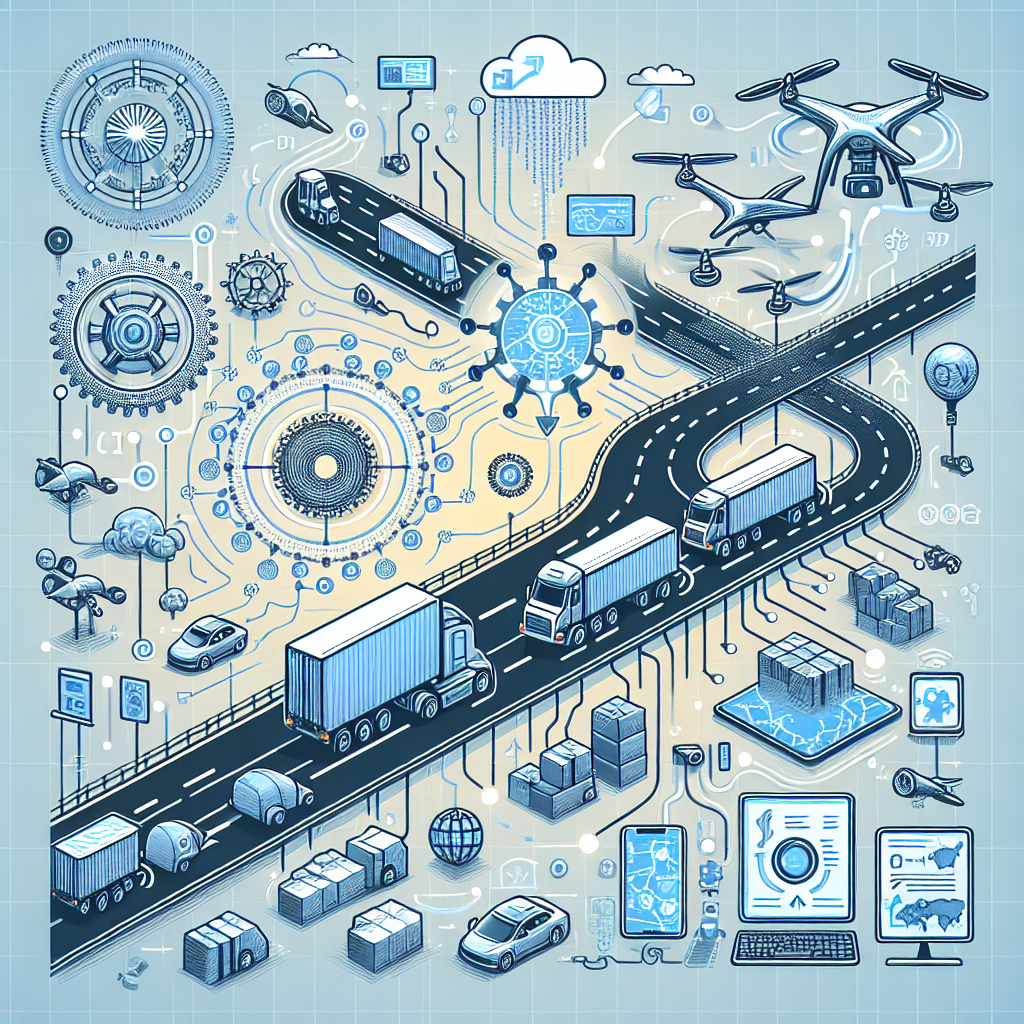
In recent years, artificial intelligence (AI) has been revolutionizing various industries, and transportation and logistics is no exception. With the increasing demand for faster and more efficient delivery of goods, companies are turning to AI to optimize their supply chain processes. From route optimization to predictive maintenance, AI is helping companies streamline their operations and reduce costs. In this article, we will explore the benefits of implementing AI deployment in transportation and logistics optimization.
Benefits of Implementing AI in Transportation and Logistics Optimization
1. Route Optimization: One of the key benefits of AI in transportation and logistics is route optimization. AI algorithms can analyze historical data, real-time traffic information, and weather conditions to determine the most efficient routes for delivery vehicles. By optimizing routes, companies can reduce fuel consumption, lower transportation costs, and improve delivery times.
2. Predictive Maintenance: AI can also be used to predict when vehicles and equipment will require maintenance. By analyzing data from sensors and historical maintenance records, AI algorithms can identify potential issues before they occur, allowing companies to schedule maintenance proactively and avoid costly breakdowns.
3. Demand Forecasting: AI can help companies forecast demand for their products more accurately. By analyzing historical sales data, market trends, and other relevant factors, AI algorithms can predict future demand with greater accuracy. This enables companies to adjust their inventory levels and production schedules accordingly, reducing the risk of stockouts or overstocking.
4. Inventory Management: AI can optimize inventory management by predicting demand, identifying slow-moving items, and determining the optimal stocking levels for each product. By optimizing inventory levels, companies can reduce carrying costs, minimize stockouts, and improve overall efficiency.
5. Real-time Tracking: AI-powered tracking systems can provide real-time visibility into the location and status of shipments. By monitoring shipments in real time, companies can proactively address delays, optimize delivery schedules, and provide customers with accurate delivery estimates.
6. Autonomous Vehicles: AI is also driving the development of autonomous vehicles in transportation and logistics. Self-driving trucks and drones can help companies reduce labor costs, improve delivery times, and enhance safety on the roads. By leveraging AI technology, companies can automate the delivery process and increase operational efficiency.
FAQs
Q: How can AI improve supply chain visibility?
A: AI can improve supply chain visibility by providing real-time tracking of shipments, analyzing data to identify bottlenecks and inefficiencies, and predicting potential disruptions before they occur. By enhancing visibility, companies can make informed decisions, optimize their supply chain processes, and improve customer satisfaction.
Q: What are the challenges of implementing AI in transportation and logistics?
A: Some of the challenges of implementing AI in transportation and logistics include data quality issues, the need for specialized skills and expertise, integration with existing systems, and concerns about data privacy and security. Companies need to address these challenges to successfully deploy AI solutions in their operations.
Q: How can companies justify the investment in AI deployment?
A: Companies can justify the investment in AI deployment by calculating the potential cost savings, efficiency gains, and competitive advantages that AI can bring to their operations. By conducting a thorough cost-benefit analysis and evaluating the long-term benefits of AI deployment, companies can make a strong case for investing in AI technology.
Q: What are some best practices for implementing AI in transportation and logistics?
A: Some best practices for implementing AI in transportation and logistics include starting with small pilot projects to test the technology, involving key stakeholders in the decision-making process, ensuring data quality and accuracy, and continuously monitoring and evaluating the performance of AI systems. Companies should also prioritize employee training and change management to ensure a smooth transition to AI-powered processes.
In conclusion, implementing AI deployment in transportation and logistics optimization offers a wide range of benefits, from route optimization to predictive maintenance. By leveraging AI technology, companies can streamline their operations, reduce costs, and improve efficiency. While there are challenges to overcome, the potential rewards of AI deployment in transportation and logistics are significant. By following best practices and addressing key concerns, companies can successfully harness the power of AI to transform their supply chain processes.