
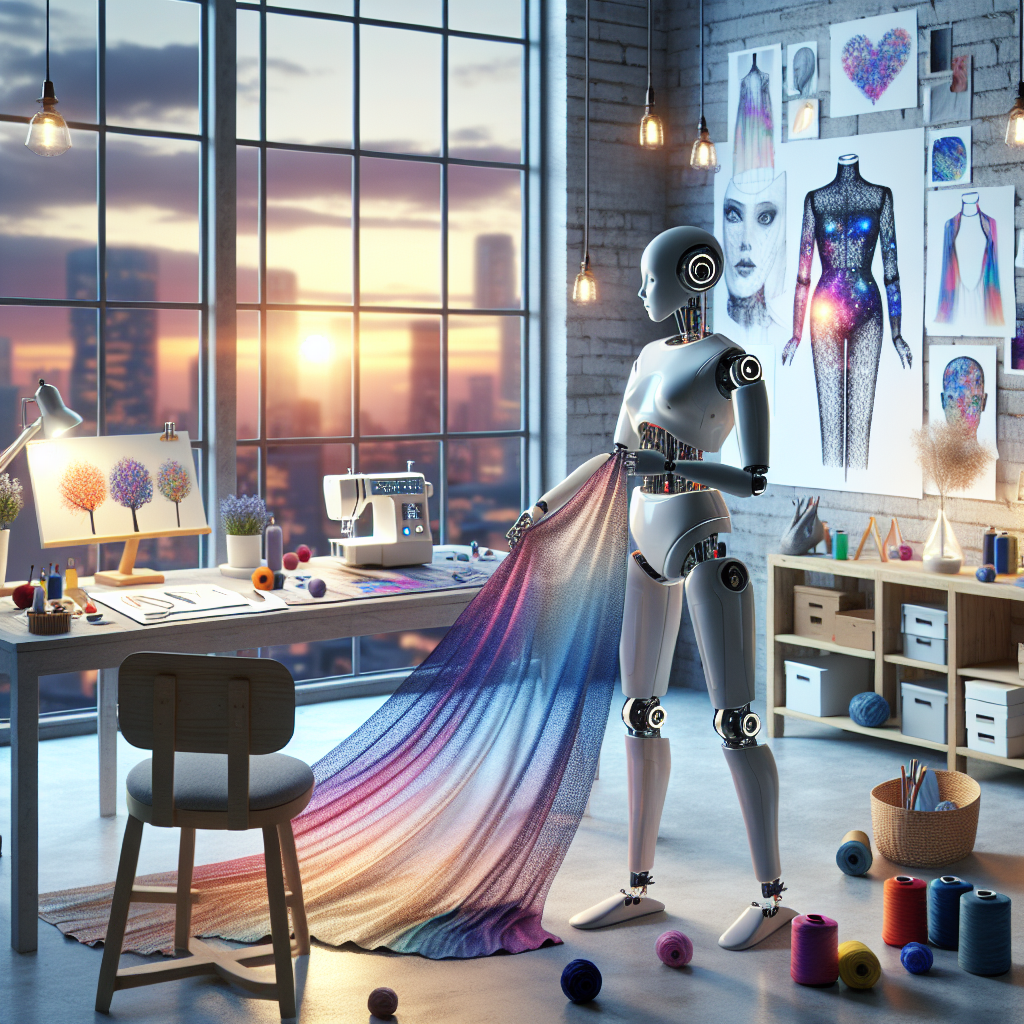
In recent years, artificial intelligence (AI) has made significant advancements in various industries, including fashion design. AI algorithms can now generate designs, predict fashion trends, and even create virtual fashion models. With this rapid progress, the question arises: can AI replace human creativity in fashion design?
The debate over AI’s role in fashion design is complex and multifaceted. On one hand, AI has the ability to analyze massive amounts of data and generate designs at a speed and scale that far exceeds human capabilities. AI algorithms can also predict trends by analyzing social media, sales data, and other relevant information. This can give fashion designers valuable insights and help them make more informed decisions.
Additionally, AI can be used to create virtual fashion models, allowing designers to visualize their designs in a digital environment before actually producing them. This can save time and resources, as designers can experiment with different colors, patterns, and silhouettes without having to create physical prototypes.
On the other hand, many argue that AI lacks the creativity, intuition, and emotional intelligence that are essential to the fashion design process. Fashion is not just about creating aesthetically pleasing garments; it is also about telling a story, evoking emotions, and expressing individuality. These are qualities that are inherently human and cannot be replicated by AI.
Furthermore, the fashion industry is built on innovation, experimentation, and pushing boundaries. Human designers have the ability to think outside the box, take risks, and break conventions in ways that AI cannot. Human creativity is what drives trends, sets new standards, and inspires change in the fashion industry.
In essence, AI can be a powerful tool for fashion designers, helping them streamline their processes, gather insights, and visualize their ideas. However, it cannot replace the unique creative abilities of human designers. The most successful collaborations between AI and human designers are those that leverage the strengths of both to complement each other and enhance the overall creative process.
FAQs about AI in Fashion Design:
1. Can AI completely replace human fashion designers?
While AI has the potential to automate certain aspects of the fashion design process, it cannot completely replace human designers. Human creativity, intuition, and emotional intelligence are essential to the fashion design process and cannot be replicated by AI.
2. How can AI be used in fashion design?
AI can be used in fashion design to analyze data, predict trends, generate designs, create virtual fashion models, and streamline the design process. AI algorithms can help designers make more informed decisions and save time and resources.
3. What are the limitations of AI in fashion design?
AI lacks the creativity, intuition, and emotional intelligence that are essential to the fashion design process. AI algorithms are also limited by the data they are trained on and may not always produce innovative or original designs.
4. How can designers leverage AI in their creative process?
Designers can leverage AI in their creative process by using it to gather insights, analyze data, and visualize their ideas. By combining the strengths of AI with their own creative abilities, designers can enhance their designs and make more informed decisions.
5. What does the future hold for AI in fashion design?
The future of AI in fashion design is likely to involve more collaborations between AI algorithms and human designers. As AI technology continues to advance, designers will have access to more powerful tools that can help them streamline their processes, gather insights, and push the boundaries of creativity in the fashion industry.