
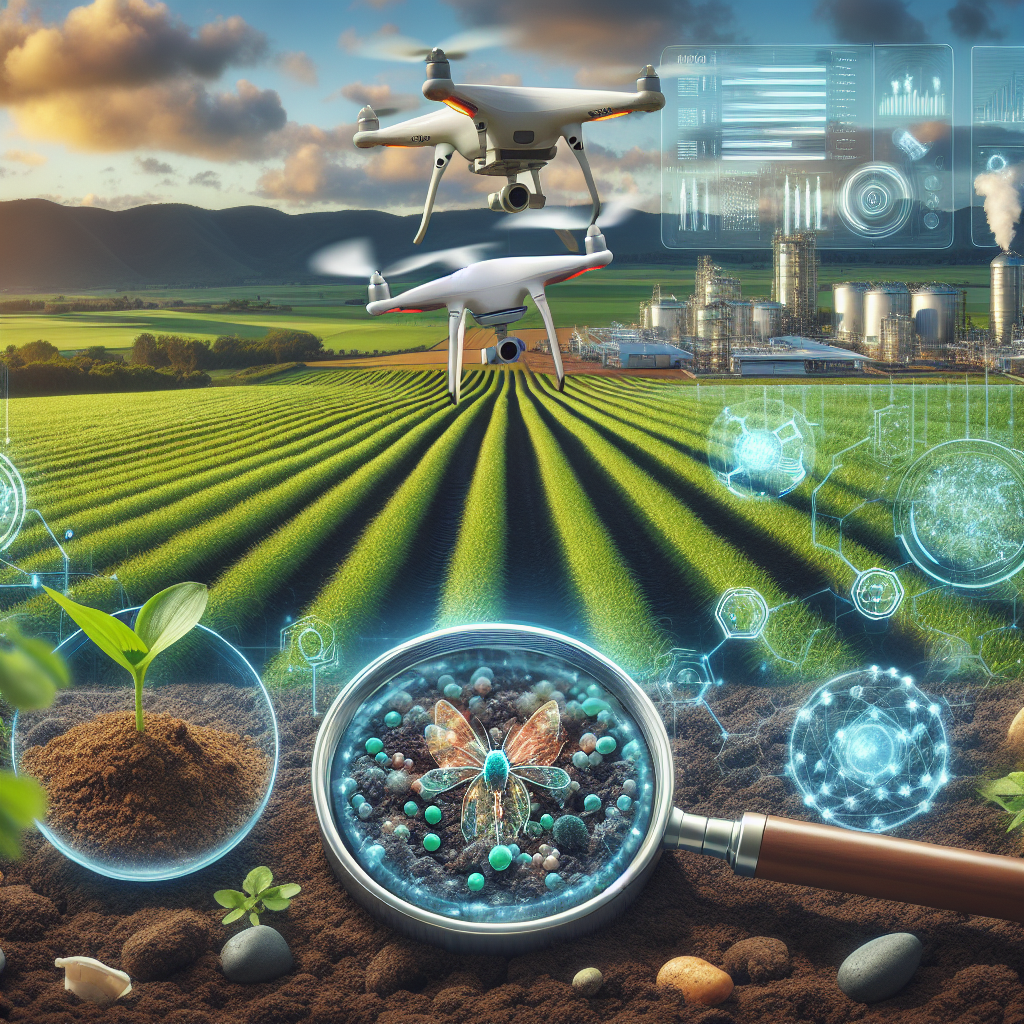
Soil fertility management is a critical aspect of agriculture that directly impacts crop yield and quality. Proper soil fertility management involves the careful balance of nutrients, organic matter, and microorganisms in the soil to ensure optimal conditions for plant growth. Traditionally, farmers have relied on soil testing and manual labor to assess and maintain soil fertility. However, with the advancements in technology, there is an opportunity to harness artificial intelligence (AI) to enhance soil fertility management.
AI refers to the simulation of human intelligence processes by machines, particularly computer systems. By utilizing AI technologies such as machine learning and data analytics, farmers can collect and analyze large amounts of data to make more informed decisions about soil fertility management. AI can help farmers optimize fertilizer usage, identify nutrient deficiencies, and predict soil health trends to improve crop productivity and sustainability.
One of the key benefits of harnessing AI for soil fertility management is its ability to provide real-time insights and recommendations. By continuously monitoring soil health through sensors and drones, AI can detect changes in nutrient levels, soil moisture, and other factors that affect crop growth. This data can then be analyzed to generate customized fertilizer prescriptions, irrigation schedules, and other management practices to maximize crop yield and minimize environmental impact.
AI can also help farmers make more sustainable decisions by reducing the reliance on chemical inputs and promoting organic farming practices. By analyzing soil data and historical trends, AI can identify the most effective methods for improving soil health, such as cover cropping, crop rotation, and composting. By implementing these practices, farmers can improve soil structure, increase water retention, and enhance nutrient cycling, leading to healthier and more resilient crops.
In addition to improving soil fertility management, AI can also help farmers reduce labor costs and increase efficiency. By automating routine tasks such as soil sampling, data analysis, and equipment operation, farmers can focus their time and resources on more strategic decision-making. AI can also improve inventory management, supply chain logistics, and crop forecasting to optimize resource allocation and maximize profitability.
Despite the many benefits of harnessing AI for soil fertility management, there are also challenges and limitations to consider. Some farmers may lack access to the necessary technology and expertise to implement AI solutions effectively. Additionally, there are concerns about data privacy, security, and ownership when collecting and sharing sensitive information about soil health and farming practices.
To address these challenges, it is essential for farmers to work with trusted partners and service providers who have experience in AI technologies and agriculture. By collaborating with researchers, agronomists, and technology companies, farmers can access the tools and resources needed to harness AI for soil fertility management successfully.
In conclusion, harnessing AI for enhancing soil fertility management has the potential to revolutionize agriculture and improve sustainability. By leveraging AI technologies to collect, analyze, and apply data-driven insights, farmers can make more informed decisions about soil health, nutrient management, and crop production. With the right tools and expertise, AI can help farmers optimize resources, reduce environmental impact, and increase profitability for a more sustainable future.
FAQs:
1. How does AI help improve soil fertility management?
AI can help improve soil fertility management by providing real-time insights and recommendations based on data analysis. By continuously monitoring soil health and nutrient levels, AI can generate customized fertilizer prescriptions, irrigation schedules, and other management practices to maximize crop yield and sustainability.
2. What are the benefits of using AI for soil fertility management?
Some benefits of using AI for soil fertility management include increased efficiency, reduced labor costs, improved sustainability, and enhanced crop productivity. AI can help farmers make more informed decisions about soil health, nutrient management, and crop production to optimize resources and maximize profitability.
3. What are the challenges of harnessing AI for soil fertility management?
Some challenges of harnessing AI for soil fertility management include limited access to technology, concerns about data privacy and security, and the need for expertise in AI technologies and agriculture. It is essential for farmers to work with trusted partners and service providers to overcome these challenges and successfully implement AI solutions.
4. How can farmers access AI technologies for soil fertility management?
Farmers can access AI technologies for soil fertility management by working with researchers, agronomists, and technology companies that specialize in agriculture. By collaborating with trusted partners, farmers can access the tools and resources needed to harness AI effectively and improve soil health, nutrient management, and crop production.