
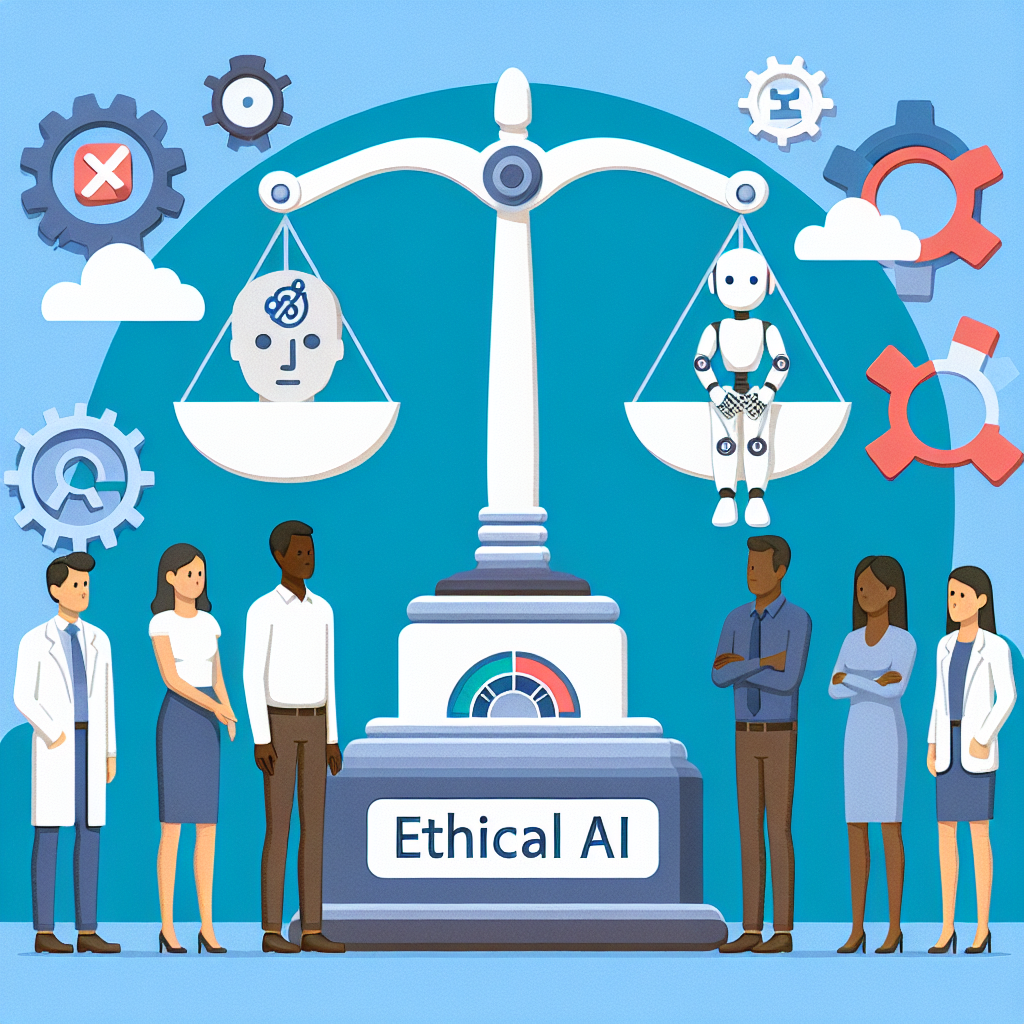
In recent years, artificial intelligence (AI) has made significant advancements in various industries, ranging from healthcare to finance to transportation. With the increasing integration of AI technologies in our daily lives, it has become crucial to address the ethical implications of AI, particularly in the realm of machine learning.
Machine learning, a subset of AI, involves training algorithms to learn from data and make predictions or decisions without being explicitly programmed to do so. While machine learning has the potential to revolutionize many aspects of society, it also raises concerns about fairness and equity. Bias in machine learning algorithms can result in discriminatory outcomes, reinforcing existing inequalities and perpetuating social injustices.
Ensuring fairness and equity in machine learning is essential to building trust in AI systems and promoting ethical practices. In this article, we will explore the concept of Ethical AI and discuss strategies for mitigating bias in machine learning algorithms.
What is Ethical AI?
Ethical AI refers to the development and deployment of AI technologies in a manner that upholds ethical principles and values. This includes ensuring fairness, transparency, accountability, and privacy in AI systems. Ethical AI aims to minimize harm and maximize benefits for individuals and society as a whole.
One of the key challenges in developing Ethical AI is addressing bias in machine learning algorithms. Bias can arise from various sources, including biased training data, biased algorithms, and biased decision-making processes. Bias in AI can lead to discriminatory outcomes, such as denying opportunities to certain groups of people or perpetuating stereotypes.
To address bias in machine learning algorithms, researchers and practitioners have developed various techniques and frameworks for ensuring fairness and equity in AI systems. These include:
1. Fairness-aware machine learning: Researchers have developed algorithms that explicitly consider fairness constraints during the training process. These algorithms aim to minimize disparate impact, which occurs when a model disproportionately harms certain groups of individuals.
2. Bias mitigation techniques: Researchers have also developed techniques for mitigating bias in machine learning algorithms. These techniques include pre-processing, in-processing, and post-processing methods that aim to reduce bias in training data, algorithms, and predictions.
3. Fairness metrics: Researchers have proposed various fairness metrics for evaluating the fairness of machine learning algorithms. These metrics include disparate impact, demographic parity, and equal opportunity, which measure the extent to which a model treats different groups of individuals fairly.
4. Interpretability and transparency: Ensuring transparency in AI systems is crucial for understanding how decisions are made and identifying potential biases. Researchers have developed techniques for interpreting machine learning models and explaining their predictions to users.
5. Accountability mechanisms: Establishing accountability mechanisms for AI systems is essential for holding developers and users accountable for the ethical implications of their technologies. This includes implementing mechanisms for auditing, monitoring, and reporting on the performance of AI systems.
By integrating these strategies and frameworks into the development and deployment of AI technologies, we can work towards building more ethical and fair AI systems that benefit all members of society.
FAQs
Q: What are some examples of bias in machine learning algorithms?
A: Bias in machine learning algorithms can manifest in various ways, such as racial bias in predictive policing algorithms, gender bias in hiring algorithms, and socioeconomic bias in loan approval algorithms.
Q: How can bias be mitigated in machine learning algorithms?
A: Bias can be mitigated in machine learning algorithms through various techniques, including fair-aware machine learning, bias mitigation techniques, fairness metrics, interpretability and transparency, and accountability mechanisms.
Q: Why is ethical AI important?
A: Ethical AI is important for ensuring fairness, transparency, and accountability in AI systems. By addressing bias and promoting ethical practices, we can build trust in AI technologies and create more inclusive and equitable societies.
Q: What are some challenges in developing ethical AI?
A: Some challenges in developing ethical AI include addressing bias in machine learning algorithms, ensuring transparency and interpretability in AI systems, establishing accountability mechanisms, and navigating ethical dilemmas in AI decision-making.
Q: How can individuals contribute to promoting ethical AI?
A: Individuals can contribute to promoting ethical AI by advocating for fairness and equity in AI systems, educating themselves and others about the ethical implications of AI technologies, and supporting initiatives that prioritize ethical considerations in AI development and deployment.