
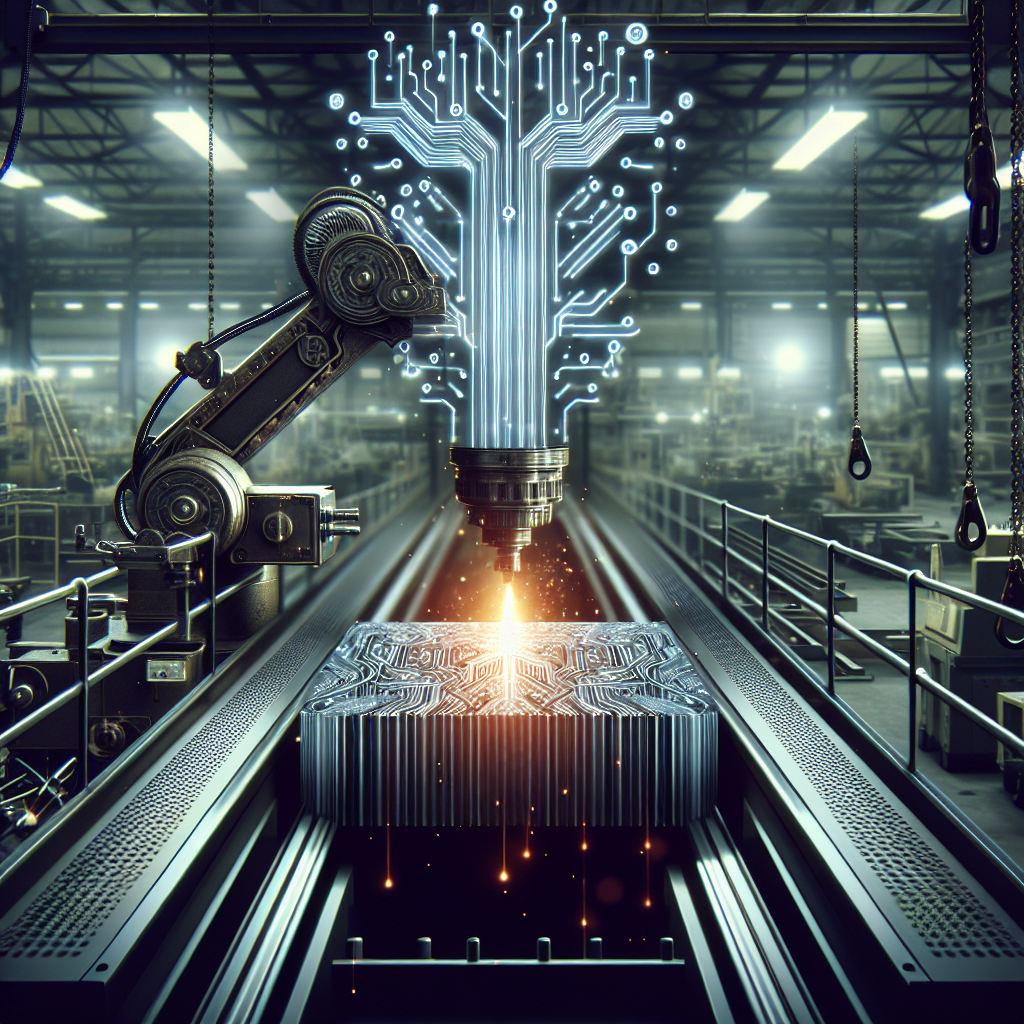
The Future of AI in Metal Fabrication
Artificial Intelligence (AI) has been making significant strides in various industries, and metal fabrication is no exception. AI technologies are revolutionizing the way metal fabrication processes are conducted, making them more efficient, accurate, and cost-effective. In this article, we will explore the future of AI in metal fabrication and how it is shaping the industry for the better.
AI in Metal Fabrication: A Game Changer
AI technologies are being integrated into metal fabrication processes to automate tasks, improve productivity, and enhance quality control. From design and planning to cutting, welding, and finishing, AI is being utilized at every stage of the metal fabrication process.
One of the key areas where AI is making a significant impact is in design and planning. AI algorithms can analyze complex design requirements and optimize them for production, reducing material waste and improving efficiency. This results in faster turnaround times and lower production costs.
AI is also being used to automate tasks such as cutting and welding. Advanced robotics equipped with AI algorithms can perform these tasks with precision and accuracy, reducing human error and improving the quality of the finished product. This not only increases productivity but also enhances worker safety by reducing the need for manual labor in hazardous environments.
Quality control is another area where AI is playing a crucial role in metal fabrication. AI-powered cameras and sensors can detect defects in real-time, allowing for immediate adjustments to be made to ensure the quality of the final product. This reduces the likelihood of faulty products reaching customers and helps to maintain a high level of quality across the production line.
Overall, AI is revolutionizing metal fabrication by streamlining processes, reducing costs, and improving quality. As AI technologies continue to advance, we can expect to see even greater improvements in efficiency and productivity in the metal fabrication industry.
The Future of AI in Metal Fabrication
The future of AI in metal fabrication looks bright, with continued advancements in technology leading to even greater efficiencies and innovations. Some key trends to watch out for in the coming years include:
1. Smarter Robotics: As AI algorithms become more sophisticated, we can expect to see smarter and more autonomous robotics in metal fabrication. These robots will be able to learn from their environment, make decisions on the fly, and adapt to changing production requirements. This will lead to even greater efficiency and flexibility in the metal fabrication process.
2. Predictive Maintenance: AI-powered sensors can monitor equipment in real-time and predict when maintenance is required before a breakdown occurs. This proactive approach to maintenance will help to prevent costly downtime and ensure that production lines are running smoothly at all times.
3. Customization: AI algorithms can analyze customer preferences and design requirements to create customized metal products. This level of personalization was previously difficult to achieve in metal fabrication but is now becoming more feasible with the help of AI technologies.
4. Sustainability: AI can help metal fabrication companies reduce their environmental impact by optimizing production processes to minimize waste and energy consumption. This will not only benefit the environment but also improve the bottom line by reducing costs associated with waste disposal and energy consumption.
FAQs
Q: Will AI technology replace human workers in metal fabrication?
A: While AI technology is automating many tasks in metal fabrication, human workers are still essential for tasks that require creativity, problem-solving, and complex decision-making. AI is meant to complement human workers, not replace them entirely.
Q: How can small metal fabrication shops benefit from AI technology?
A: Small metal fabrication shops can benefit from AI technology by improving efficiency, reducing costs, and enhancing quality control. AI-powered software and equipment are becoming more accessible to smaller businesses, allowing them to compete with larger companies in the industry.
Q: What are some challenges associated with implementing AI in metal fabrication?
A: Some challenges associated with implementing AI in metal fabrication include the initial cost of investment, the need for specialized training for workers, and concerns about data security and privacy. However, the benefits of AI technology far outweigh these challenges, making it a worthwhile investment for metal fabrication companies.
In conclusion, the future of AI in metal fabrication is bright, with continued advancements in technology leading to greater efficiencies, innovations, and improvements in quality. By embracing AI technologies, metal fabrication companies can stay ahead of the competition and meet the evolving demands of the industry.