
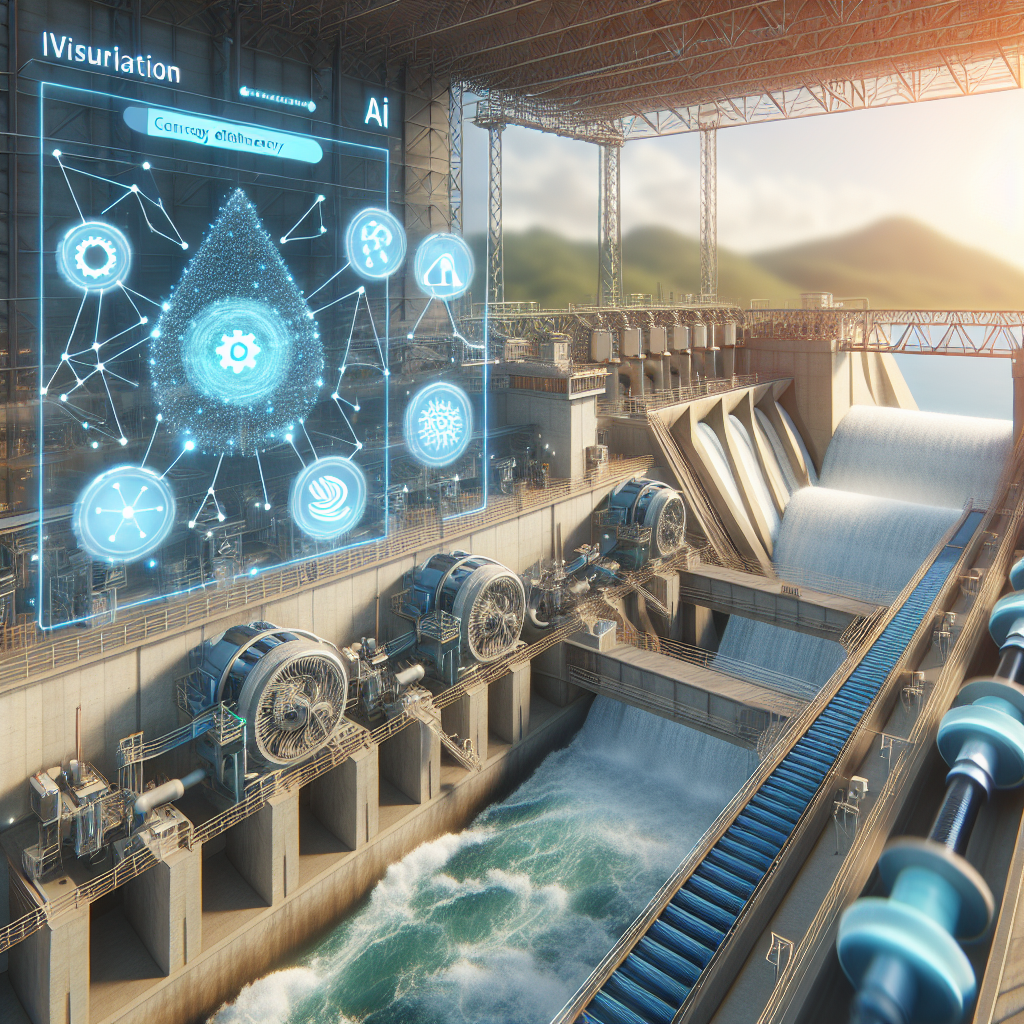
Integrating AI Technology into Hydropower Plants for Efficiency
Hydropower plants are a crucial component of the global energy landscape, providing clean and renewable energy to millions of people around the world. However, despite their importance, these plants are not immune to the challenges facing the energy sector, such as the need to increase efficiency, reduce costs, and minimize environmental impact.
One way to address these challenges is through the integration of artificial intelligence (AI) technology into hydropower plants. AI has the potential to revolutionize the way these plants are operated and maintained, leading to improved efficiency, reliability, and sustainability. In this article, we will explore the benefits of integrating AI technology into hydropower plants and discuss some of the key applications of AI in this context.
Benefits of Integrating AI Technology into Hydropower Plants
1. Improved Efficiency: AI technology can optimize the operation of hydropower plants by analyzing vast amounts of data in real-time and making intelligent decisions to maximize efficiency. For example, AI algorithms can predict energy demand and adjust the output of the plant accordingly, leading to higher energy production and lower operating costs.
2. Predictive Maintenance: AI can also be used to monitor the condition of equipment in hydropower plants and predict when maintenance is required. By detecting potential issues before they occur, AI can help prevent costly downtime and extend the lifespan of critical components.
3. Environmental Impact: AI technology can help hydropower plants minimize their environmental impact by optimizing water flow and reducing the risk of flooding or drought. By balancing the needs of energy production with environmental considerations, AI can help ensure that hydropower remains a sustainable source of energy.
4. Cost Savings: By increasing efficiency, reducing maintenance costs, and minimizing downtime, AI technology can help hydropower plants save money in the long run. This can make hydropower more competitive with other forms of energy generation and help drive the transition to a more sustainable energy future.
Applications of AI in Hydropower Plants
1. Optimization of Water Flow: AI algorithms can analyze data on water levels, weather conditions, and energy demand to optimize the flow of water through a hydropower plant. By adjusting the flow rate in real-time, AI can maximize energy production while minimizing the risk of flooding or drought.
2. Condition Monitoring: AI can monitor the condition of critical equipment in hydropower plants, such as turbines, generators, and transformers, and predict when maintenance is required. By detecting issues early, AI can help prevent costly breakdowns and ensure that the plant operates smoothly.
3. Energy Forecasting: AI can predict energy demand based on historical data, weather forecasts, and other factors, allowing hydropower plants to adjust their output accordingly. By optimizing energy production in response to changing demand, AI can help reduce waste and improve overall efficiency.
4. Fault Detection: AI algorithms can analyze sensor data to detect anomalies and potential faults in hydropower plants. By alerting operators to issues before they escalate, AI can help prevent downtime and ensure the plant operates safely and reliably.
FAQs
Q: How does AI technology improve the efficiency of hydropower plants?
A: AI technology can optimize the operation of hydropower plants by analyzing data in real-time and making intelligent decisions to maximize efficiency. By predicting energy demand, adjusting water flow, and monitoring equipment condition, AI can help improve energy production and reduce operating costs.
Q: Is AI technology expensive to implement in hydropower plants?
A: While the initial investment in AI technology may be significant, the long-term benefits, such as improved efficiency, reduced maintenance costs, and increased energy production, can outweigh the costs. In many cases, the return on investment from implementing AI technology in hydropower plants can be substantial.
Q: Can AI technology help hydropower plants reduce their environmental impact?
A: Yes, AI technology can help hydropower plants minimize their environmental impact by optimizing water flow, reducing the risk of flooding or drought, and balancing energy production with environmental considerations. By operating more efficiently and sustainably, hydropower plants can help protect the environment for future generations.
In conclusion, integrating AI technology into hydropower plants offers a range of benefits, including improved efficiency, predictive maintenance, reduced environmental impact, and cost savings. By harnessing the power of AI, hydropower plants can optimize their operations, increase energy production, and contribute to a more sustainable energy future. As the energy sector continues to evolve, AI technology will play an increasingly important role in shaping the future of hydropower generation.