
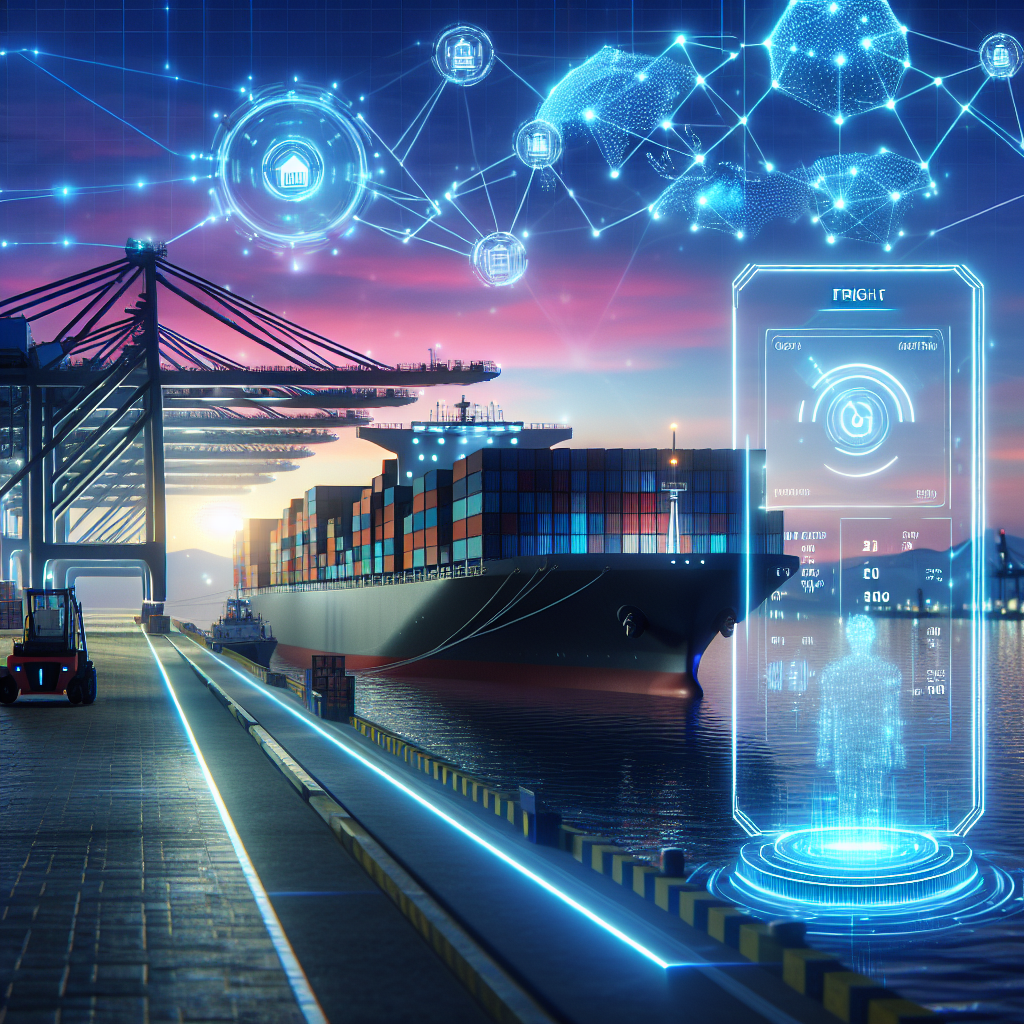
In recent years, the logistics industry has been experiencing a rapid transformation, with the adoption of technology playing a key role in improving efficiency and streamlining processes. One area where technology has made a significant impact is in the automation of freight quoting, with the use of artificial intelligence (AI) revolutionizing the way freight rates are calculated and quoted.
AI is a broad term that encompasses various technologies, including machine learning, natural language processing, and computer vision, among others. These technologies work together to analyze data, identify patterns, and make predictions, ultimately enabling machines to perform tasks that typically require human intelligence.
When it comes to freight quoting, AI can be used to automate the process of calculating rates based on a variety of factors, such as distance, weight, dimensions, and transit time. By leveraging AI, logistics companies can streamline their operations, reduce manual errors, and provide more accurate and competitive quotes to their customers.
One of the key benefits of using AI for automated freight quoting is the ability to process large volumes of data quickly and accurately. Traditional freight quoting methods often involve manual data entry and calculations, which can be time-consuming and prone to errors. With AI, these processes can be automated, allowing companies to generate quotes in a matter of seconds, rather than hours or days.
Another advantage of leveraging AI for freight quoting is the ability to personalize quotes based on individual customer needs. AI algorithms can analyze historical data and customer preferences to tailor quotes to specific requirements, such as delivery deadlines, preferred carriers, or cost constraints. This level of customization can help companies attract and retain customers by offering a more personalized and responsive service.
In addition to improving efficiency and accuracy, AI-powered freight quoting can also help companies optimize their pricing strategies. By analyzing market trends, competitor rates, and customer behavior, AI algorithms can recommend pricing strategies that maximize profitability while remaining competitive in the market. This can help companies make informed decisions about pricing and stay ahead of the competition.
One of the key challenges in implementing AI for automated freight quoting is the availability and quality of data. AI algorithms rely on large volumes of data to make accurate predictions and recommendations, so companies need to ensure that they have access to clean, reliable data sources. This may require integrating with multiple systems and platforms to gather the necessary data, as well as implementing data quality controls to ensure the accuracy of the information.
Another challenge is the complexity of AI algorithms and the need for specialized expertise to develop and deploy them. Companies may need to invest in training and hiring data scientists, machine learning engineers, and AI specialists to build and maintain the AI systems required for automated freight quoting. This can be a significant investment, both in terms of time and resources, but the long-term benefits of improved efficiency and competitiveness can outweigh the initial costs.
Despite these challenges, the potential benefits of leveraging AI for automated freight quoting are significant. By automating the process of generating quotes, companies can reduce costs, improve accuracy, and provide a more responsive and personalized service to their customers. As the logistics industry continues to evolve, AI is likely to play an increasingly important role in helping companies stay competitive and meet the growing demands of the market.
FAQs:
Q: How does AI improve the accuracy of freight quoting?
A: AI algorithms can analyze large volumes of data quickly and accurately, identifying patterns and trends that may not be apparent to human analysts. This allows companies to generate more accurate quotes based on a wide range of factors, such as distance, weight, dimensions, and transit time.
Q: Can AI personalize freight quotes for individual customers?
A: Yes, AI algorithms can analyze historical data and customer preferences to tailor quotes to specific requirements, such as delivery deadlines, preferred carriers, or cost constraints. This level of customization can help companies attract and retain customers by offering a more personalized and responsive service.
Q: What are the challenges of implementing AI for automated freight quoting?
A: One of the key challenges is the availability and quality of data, as AI algorithms rely on large volumes of data to make accurate predictions and recommendations. Companies also need to invest in specialized expertise to develop and deploy AI systems, which can be a significant investment in terms of time and resources.
Q: What are the benefits of using AI for freight quoting?
A: Some of the key benefits include improved efficiency, reduced costs, personalized quotes for customers, and optimized pricing strategies. By automating the process of generating quotes, companies can provide a more competitive and responsive service to their customers.
In conclusion, leveraging AI for automated freight quoting offers significant benefits for logistics companies, including improved efficiency, accuracy, and competitiveness. While there are challenges to implementing AI systems, the long-term benefits of automation can help companies stay ahead of the competition and meet the growing demands of the market. As technology continues to evolve, AI is likely to play an increasingly important role in transforming the logistics industry and driving innovation in freight quoting processes.