
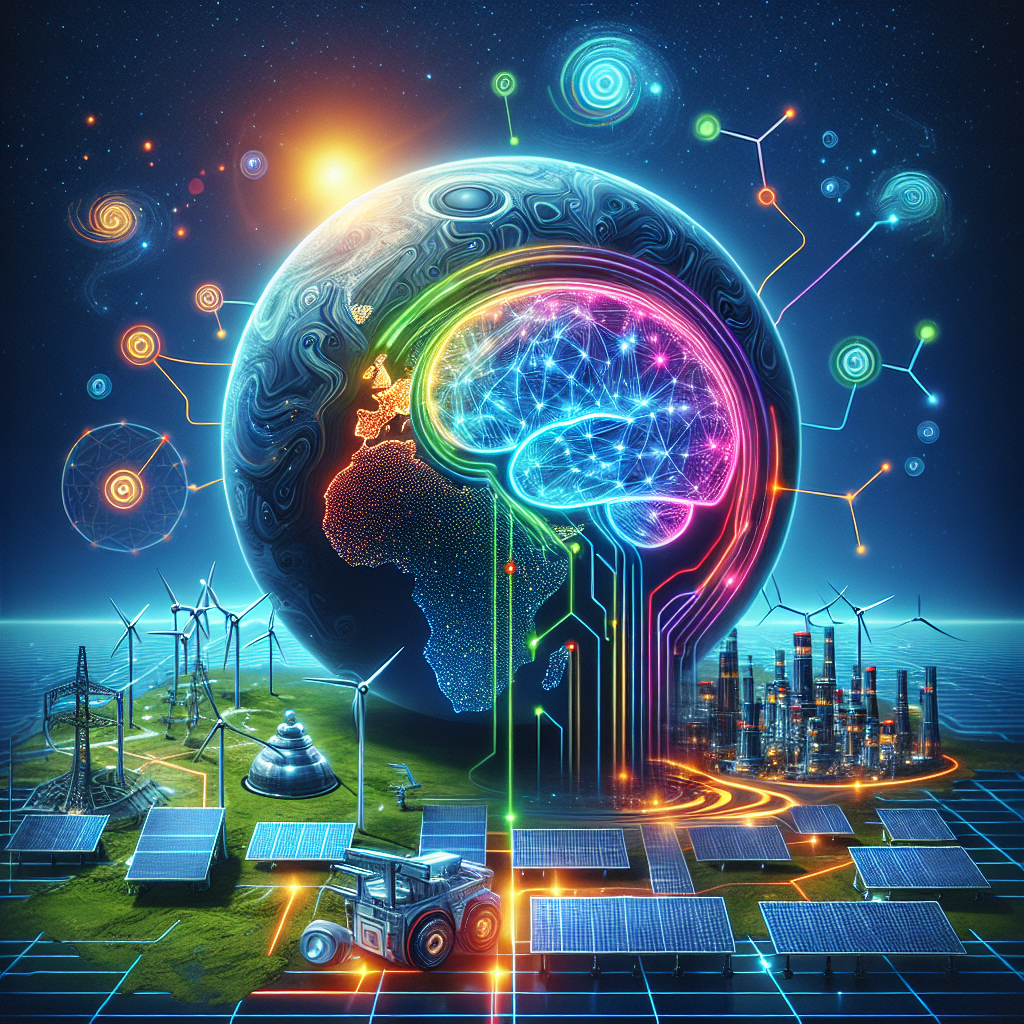
Smart Grids and AI: A Promising Future for Renewable Energy
Introduction
In recent years, there has been a growing interest in utilizing smart grids and artificial intelligence (AI) to improve the efficiency and reliability of renewable energy systems. Smart grids are modern electrical grids that incorporate digital communication technology to monitor and control the flow of electricity in real-time. AI, on the other hand, refers to the use of computer algorithms to analyze data and make decisions without human intervention.
By combining smart grids and AI, renewable energy sources such as solar, wind, and hydroelectric power can be integrated into the existing energy infrastructure more effectively. This not only helps to reduce carbon emissions and combat climate change but also improves the overall stability and resilience of the power grid.
Benefits of Smart Grids and AI for Renewable Energy
1. Predictive Maintenance: One of the key benefits of using AI in smart grids is the ability to predict maintenance needs before they occur. By analyzing data collected from sensors and other monitoring devices, AI algorithms can detect potential issues with renewable energy systems and alert operators to take preventive action. This helps to minimize downtime and reduce maintenance costs.
2. Energy Management: AI can also be used to optimize the generation, storage, and distribution of renewable energy. By analyzing real-time data on weather conditions, energy demand, and grid performance, AI algorithms can adjust the operation of renewable energy systems to maximize efficiency and minimize waste. This ensures that renewable energy sources are used to their full potential and helps to reduce reliance on fossil fuels.
3. Grid Optimization: Smart grids equipped with AI can improve the overall stability and reliability of the power grid. By continuously monitoring and analyzing data from various sources, AI algorithms can detect and respond to fluctuations in energy supply and demand. This helps to prevent blackouts and ensure a consistent supply of electricity to consumers.
4. Demand Response: AI can also be used to manage demand response programs, which incentivize consumers to reduce their electricity usage during peak hours. By analyzing data on energy consumption patterns and price signals, AI algorithms can automatically adjust the operation of appliances and devices to optimize energy usage. This helps to reduce strain on the power grid and lower electricity costs for consumers.
5. Integration of Renewable Energy: Smart grids and AI play a crucial role in integrating renewable energy sources into the existing energy infrastructure. By monitoring and controlling the flow of electricity from solar panels, wind turbines, and other renewable sources, smart grids can ensure a stable and reliable supply of clean energy to consumers. AI algorithms can also optimize the operation of renewable energy systems to maximize their output and reduce the need for backup power sources.
Challenges and Opportunities
While the potential benefits of using smart grids and AI for renewable energy are significant, there are also challenges that need to be addressed. One of the main challenges is the complexity of integrating new technologies into existing energy infrastructure. This requires significant investment in infrastructure upgrades and training for operators and technicians.
Another challenge is the need for robust cybersecurity measures to protect smart grids and AI systems from cyber attacks. As smart grids become increasingly interconnected and reliant on digital communication technology, they become more vulnerable to hacking and other security threats. It is crucial to implement strong encryption protocols and authentication mechanisms to safeguard the integrity and confidentiality of data.
Despite these challenges, there are also opportunities for innovation and growth in the renewable energy sector. The rapid advancements in AI technology, such as machine learning and neural networks, offer new possibilities for optimizing the operation of renewable energy systems. By harnessing the power of AI, renewable energy providers can improve efficiency, reduce costs, and accelerate the transition to a clean energy future.
FAQs
Q: What is a smart grid?
A: A smart grid is a modern electrical grid that incorporates digital communication technology to monitor and control the flow of electricity in real-time. Smart grids enable utilities to optimize the generation, storage, and distribution of electricity more efficiently and reliably.
Q: How does AI benefit renewable energy?
A: AI can be used to predict maintenance needs, optimize energy management, improve grid stability, manage demand response programs, and integrate renewable energy sources into the existing energy infrastructure.
Q: What are the challenges of using smart grids and AI for renewable energy?
A: Challenges include the complexity of integrating new technologies, cybersecurity threats, and the need for investment in infrastructure upgrades and training for operators and technicians.
Q: What are the opportunities for innovation in the renewable energy sector?
A: The rapid advancements in AI technology offer new possibilities for optimizing the operation of renewable energy systems, improving efficiency, reducing costs, and accelerating the transition to a clean energy future.
Conclusion
Smart grids and AI hold great promise for the future of renewable energy. By leveraging digital communication technology and computer algorithms, renewable energy providers can improve the efficiency, reliability, and sustainability of their operations. While there are challenges to overcome, the opportunities for innovation and growth in the renewable energy sector are significant. With continued investment in smart grids and AI technology, we can create a cleaner, more resilient energy system for future generations.