
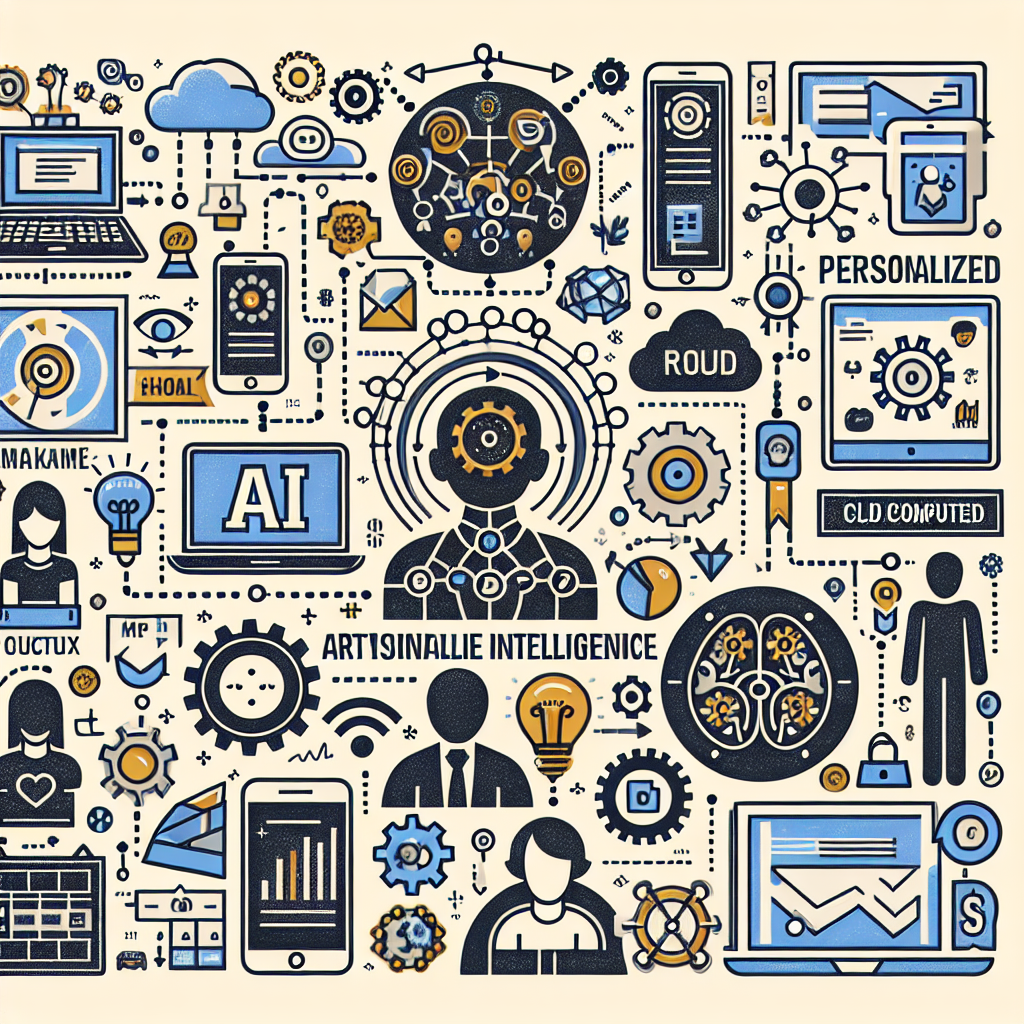
In today’s digital age, personalized marketing campaigns have become a crucial part of any successful marketing strategy. Consumers are bombarded with advertisements and content on a daily basis, so it’s important for brands to cut through the noise and deliver relevant, personalized messages to their target audience. This is where AI tools come into play.
Artificial intelligence (AI) has revolutionized the way marketers can connect with their customers. By leveraging AI tools, marketers can analyze vast amounts of data to gain insights into consumer behavior and preferences. This allows them to create highly personalized marketing campaigns that are more likely to resonate with their target audience.
One of the key benefits of using AI tools for personalized marketing campaigns is the ability to segment audiences based on a wide range of criteria. AI algorithms can analyze data from various sources, such as website interactions, social media engagement, and purchase history, to create detailed customer profiles. This allows marketers to tailor their messaging and content to specific audience segments, increasing the likelihood of engagement and conversions.
AI tools can also help marketers automate the process of delivering personalized content to customers. By using machine learning algorithms, marketers can create dynamic content that adapts to the preferences and behaviors of individual customers. This ensures that each customer receives a unique and relevant experience, leading to higher engagement and loyalty.
Furthermore, AI tools can help marketers optimize their marketing campaigns in real-time. By analyzing data in real-time, AI algorithms can identify trends and patterns that can inform campaign adjustments on the fly. This allows marketers to quickly adapt their strategies based on customer responses, ensuring that their campaigns are always relevant and effective.
In addition to personalized messaging, AI tools can also help marketers personalize the customer journey. By analyzing data on customer interactions across various touchpoints, marketers can create personalized experiences that guide customers through the sales funnel. This can include personalized product recommendations, targeted offers, and tailored messaging that speaks directly to the customer’s needs and interests.
Overall, leveraging AI tools for personalized marketing campaigns can help brands create more meaningful connections with their customers, leading to increased engagement, loyalty, and ultimately, sales. By harnessing the power of AI, marketers can unlock valuable insights into customer behavior and preferences, allowing them to create highly targeted and effective campaigns that drive results.
FAQs:
Q: How can AI tools help marketers create personalized marketing campaigns?
A: AI tools can help marketers analyze vast amounts of data to gain insights into consumer behavior and preferences. This allows them to create highly personalized marketing campaigns that are more likely to resonate with their target audience.
Q: What are some examples of AI tools that can be used for personalized marketing campaigns?
A: Some examples of AI tools that can be used for personalized marketing campaigns include customer segmentation tools, predictive analytics platforms, and machine learning algorithms for dynamic content creation.
Q: How can AI tools help marketers optimize their marketing campaigns in real-time?
A: AI tools can help marketers analyze data in real-time to identify trends and patterns that can inform campaign adjustments on the fly. This allows marketers to quickly adapt their strategies based on customer responses, ensuring that their campaigns are always relevant and effective.
Q: How can AI tools help marketers personalize the customer journey?
A: AI tools can help marketers analyze data on customer interactions across various touchpoints to create personalized experiences that guide customers through the sales funnel. This can include personalized product recommendations, targeted offers, and tailored messaging that speaks directly to the customer’s needs and interests.