
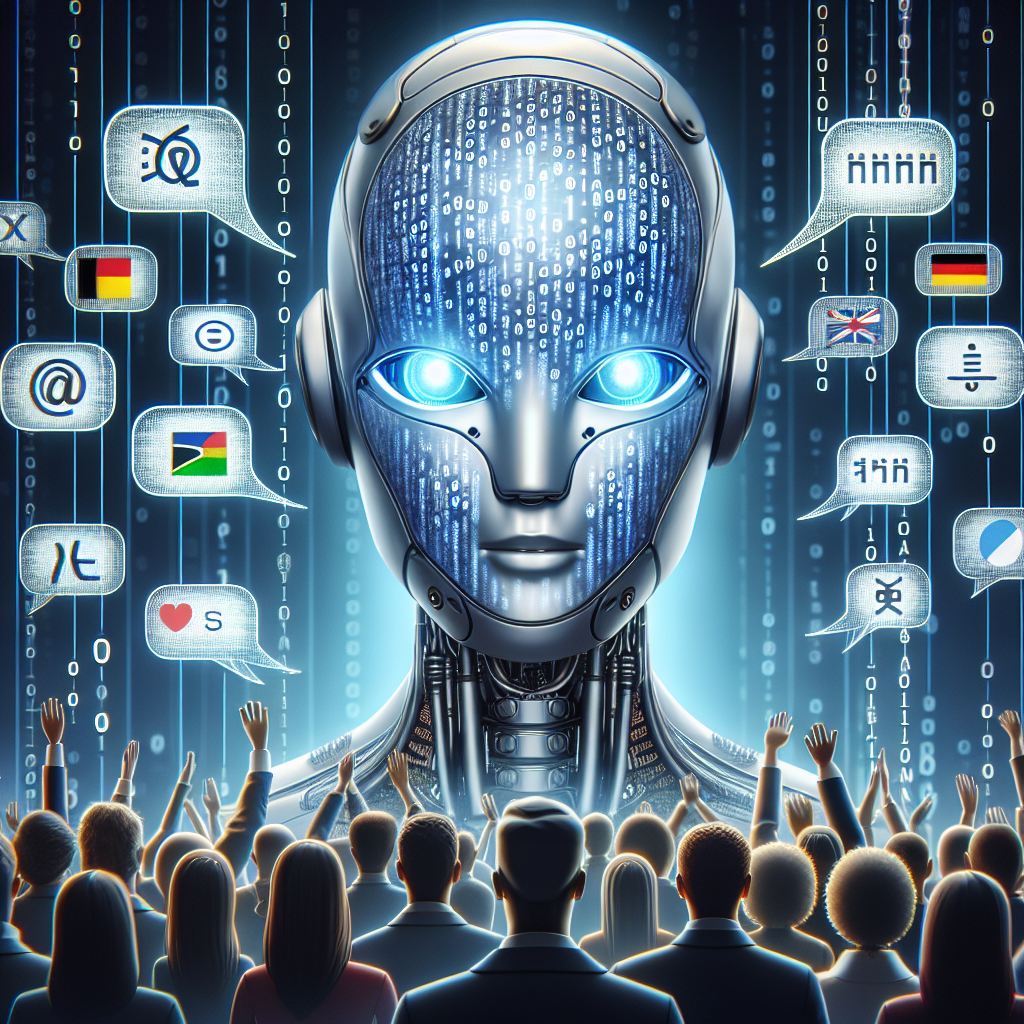
Artificial Intelligence (AI) has revolutionized many industries, and language acquisition is no exception. AI technology has the potential to greatly enhance the process of learning a new language, making it more efficient and effective. In this article, we will explore the benefits of AI in language acquisition and how it can help learners improve their language skills.
One of the key benefits of AI in language acquisition is its ability to provide personalized learning experiences. AI-powered language learning platforms can analyze the strengths and weaknesses of individual learners and tailor the content and exercises to meet their specific needs. This personalized approach can help learners progress more quickly and effectively, as they are able to focus on areas where they need the most improvement.
AI can also provide instant feedback to learners, helping them to correct their mistakes in real-time. This immediate feedback can be crucial in language learning, as it allows learners to see where they are going wrong and make the necessary corrections. By providing feedback on pronunciation, grammar, and vocabulary usage, AI can help learners to improve their language skills more rapidly.
Another benefit of AI in language acquisition is its ability to provide a wide range of learning materials and resources. AI-powered language learning platforms can offer a variety of exercises, activities, and multimedia content to help learners practice their language skills in different contexts. This variety can keep learners engaged and motivated, as they are able to explore different aspects of the language and develop their skills in a more holistic way.
AI technology can also help learners to practice their language skills in a more interactive and engaging manner. For example, AI-powered language learning platforms can incorporate chatbots and virtual tutors to provide learners with conversational practice. These interactive features can help learners to improve their speaking and listening skills, as they are able to engage in realistic conversations and receive feedback on their performance.
Furthermore, AI can help to make language learning more accessible to a wider range of learners. AI-powered language learning platforms can be accessed from anywhere, at any time, making it easier for learners to fit language learning into their busy schedules. Additionally, AI technology can provide support for learners with different learning styles and needs, helping to make language learning more inclusive and effective for all learners.
In conclusion, the benefits of AI in language acquisition are numerous and significant. From personalized learning experiences to instant feedback and a wide range of resources, AI technology has the potential to greatly enhance the process of learning a new language. By leveraging the power of AI, learners can improve their language skills more quickly and effectively, making language acquisition a more enjoyable and rewarding experience.
FAQs:
Q: How can AI help with pronunciation in language learning?
A: AI-powered language learning platforms can analyze learners’ pronunciation and provide feedback on areas where they need improvement. By practicing pronunciation exercises and receiving instant feedback, learners can improve their speaking skills more rapidly.
Q: Can AI help with grammar and vocabulary acquisition?
A: Yes, AI technology can provide exercises and activities to help learners practice grammar and vocabulary in context. By analyzing learners’ performance and providing feedback on their mistakes, AI can help learners to improve their language skills in these areas.
Q: Are there any drawbacks to using AI in language acquisition?
A: While AI technology offers many benefits in language acquisition, there are some potential drawbacks to consider. For example, AI-powered language learning platforms may lack the human touch and personalized support that a traditional language teacher can provide. Additionally, some learners may find the technology challenging to use or may prefer more traditional methods of language learning.
Q: How can learners get started with AI-powered language learning platforms?
A: There are many AI-powered language learning platforms available online, such as Duolingo, Babbel, and Rosetta Stone. Learners can sign up for an account on these platforms and start practicing their language skills right away. Many platforms offer a free trial or basic version, allowing learners to explore the features and see if the platform is a good fit for their learning needs.