
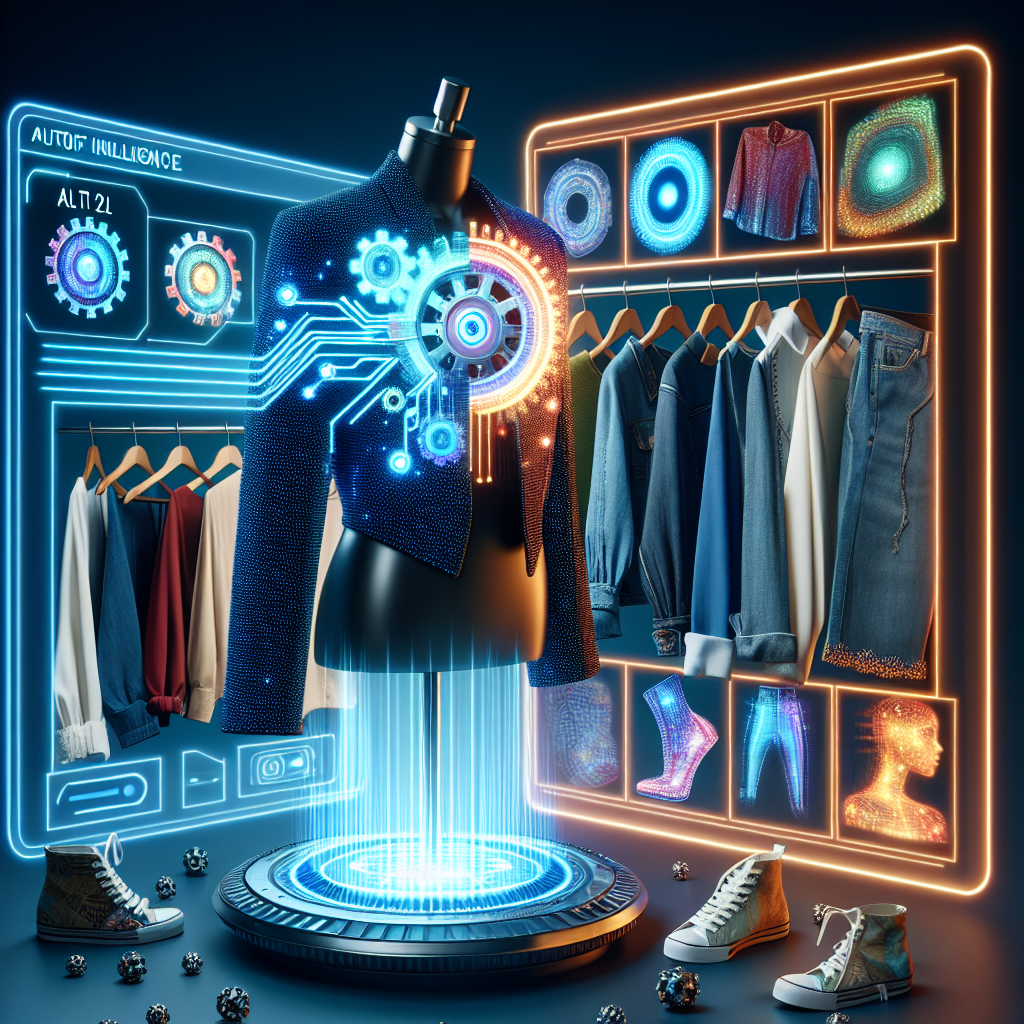
Artificial Intelligence (AI) has been making waves in various industries, and the fashion industry is no exception. With its ability to analyze vast amounts of data and identify patterns, AI has the potential to revolutionize fashion forecasting and trend analysis. In this article, we will explore the impact of AI on these processes and how it is shaping the future of the fashion industry.
Fashion Forecasting and Trend Analysis
Fashion forecasting and trend analysis are essential aspects of the fashion industry. They involve predicting upcoming trends, understanding consumer preferences, and making informed decisions about product development and marketing strategies. Traditionally, these processes have been carried out by trend forecasters, designers, and marketers who rely on their intuition and expertise to identify emerging trends.
However, the fashion industry is constantly evolving, and keeping up with changing trends can be a challenging task. This is where AI comes in. By leveraging machine learning algorithms and data analytics, AI can analyze large volumes of data from various sources, such as social media, e-commerce platforms, and fashion shows, to identify patterns and predict future trends with a high degree of accuracy.
The Impact of AI on Fashion Forecasting and Trend Analysis
1. Data-driven Insights: AI can analyze data from multiple sources to provide valuable insights into consumer preferences, market trends, and emerging fashion styles. By analyzing social media trends, shopping behavior, and other data points, AI can identify patterns and predict future trends, helping fashion brands stay ahead of the curve.
2. Personalized Recommendations: AI can also be used to provide personalized recommendations to consumers based on their preferences and behavior. By analyzing data on individual shopping habits and style preferences, AI can suggest products that are tailored to each customer’s unique tastes, leading to a more personalized shopping experience.
3. Faster Decision-making: AI can process data at a much faster rate than humans, enabling fashion brands to make quicker decisions about product development, marketing strategies, and inventory management. By automating the analysis of data and trends, AI can help fashion companies respond to changing market dynamics in real-time.
4. Reduced Costs: By automating the process of trend analysis and forecasting, AI can help fashion brands reduce costs associated with hiring trend forecasters and analysts. AI can also help optimize inventory management, reduce waste, and improve supply chain efficiency, leading to cost savings for fashion companies.
5. Sustainability: AI can also play a role in promoting sustainability in the fashion industry. By analyzing data on consumer preferences and shopping behavior, AI can help fashion brands identify trends towards sustainable fashion and develop eco-friendly products that align with consumer values.
FAQs
Q: How accurate is AI in predicting fashion trends?
A: AI has shown promising results in predicting fashion trends with a high degree of accuracy. By analyzing large volumes of data and identifying patterns, AI can make informed predictions about upcoming trends in the fashion industry.
Q: Can AI replace human trend forecasters?
A: While AI can automate the process of trend analysis and forecasting, it is not meant to replace human trend forecasters. AI can augment the skills and expertise of human analysts by providing data-driven insights and recommendations to inform decision-making.
Q: How can fashion brands leverage AI for trend analysis?
A: Fashion brands can leverage AI for trend analysis by investing in AI-powered tools and platforms that can analyze data from multiple sources, such as social media, e-commerce platforms, and fashion shows. By using AI to identify patterns and predict trends, fashion brands can make informed decisions about product development and marketing strategies.
In conclusion, AI is revolutionizing the fashion industry by transforming the way fashion forecasting and trend analysis are conducted. By leveraging machine learning algorithms and data analytics, AI can provide valuable insights into consumer preferences, market trends, and emerging fashion styles, helping fashion brands stay ahead of the curve. With its ability to analyze vast amounts of data and predict future trends with a high degree of accuracy, AI is shaping the future of the fashion industry and paving the way for a more data-driven and sustainable approach to fashion forecasting and trend analysis.