
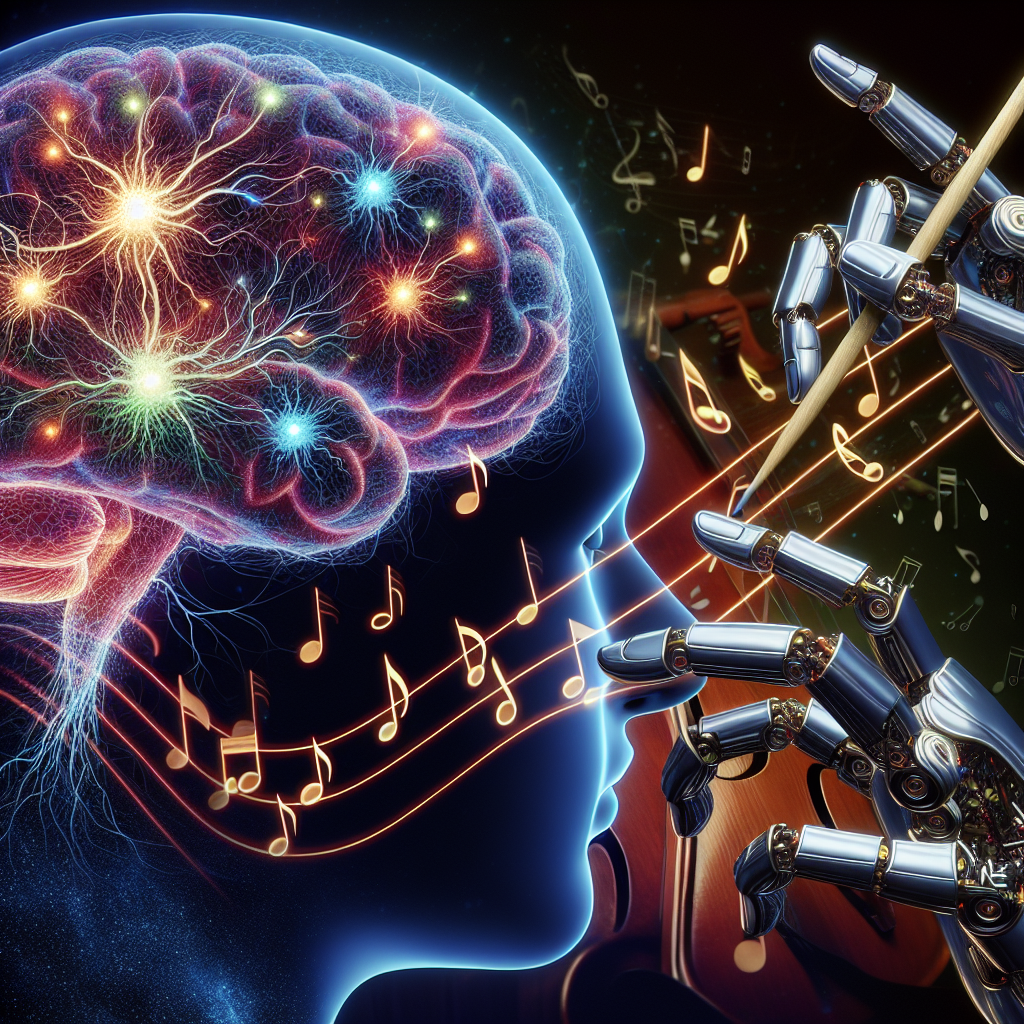
The Psychology of AI-Generated Music
Music has always been a powerful form of expression and communication, tapping into our emotions and shaping our thoughts and feelings. For centuries, musicians have composed melodies and harmonies that resonate with us on a deep level, evoking a wide range of emotions from joy and excitement to sadness and nostalgia. However, in recent years, there has been a new player in the music composition arena – artificial intelligence (AI).
AI-generated music has become increasingly popular, with algorithms and machine learning techniques being used to create original compositions that sound remarkably human-like. But how does AI-generated music impact us psychologically? What is the appeal of this type of music, and how does it compare to music created by human composers? In this article, we will delve into the psychology of AI-generated music and explore its implications for both creators and listeners.
The Appeal of AI-Generated Music
One of the main reasons why AI-generated music has gained popularity is its ability to produce vast amounts of music in a short amount of time. With the help of AI algorithms, composers can create endless variations of melodies, harmonies, and rhythms, allowing them to explore new musical ideas and styles that they may not have considered before. This can be especially useful for musicians who are looking to break out of creative ruts or experiment with different genres and techniques.
Another appeal of AI-generated music is its ability to mimic the styles of famous composers and artists. By analyzing vast amounts of music data, AI algorithms can learn patterns and structures that define a particular musical style, allowing them to create compositions that sound like they were written by Beethoven, Mozart, or even contemporary artists like Taylor Swift or Kanye West. This can be a valuable tool for musicians who are looking to study and emulate the works of their musical idols.
Furthermore, AI-generated music can provide a source of inspiration and collaboration for musicians. By using AI algorithms to generate musical ideas, composers can spark new creative insights and collaborate with AI systems to co-create music that blends human and machine creativity. This can lead to innovative and groundbreaking compositions that push the boundaries of what is possible in music.
The Impact of AI-Generated Music on Emotions
Music has a profound impact on our emotions, triggering powerful feelings of joy, sadness, excitement, and nostalgia. When we listen to music, our brains release dopamine, a neurotransmitter that is associated with pleasure and reward, leading to feelings of euphoria and satisfaction. Music can also activate the limbic system, the part of the brain that is responsible for processing emotions, memories, and motivations, causing us to experience a wide range of emotions in response to different musical stimuli.
AI-generated music has been found to evoke similar emotional responses in listeners as music created by human composers. In a study conducted by the University of California, researchers found that participants were able to accurately identify the emotional content of AI-generated music, including feelings of happiness, sadness, and excitement. This suggests that AI algorithms are capable of capturing the emotional nuances of music and creating compositions that resonate with listeners on a deep emotional level.
Furthermore, AI-generated music has the potential to enhance our emotional experiences and well-being. In a study published in the journal Frontiers in Psychology, researchers found that listening to AI-generated music can have a positive impact on mood, stress levels, and overall well-being. Participants who listened to AI-generated music reported feeling more relaxed, focused, and uplifted compared to those who listened to music created by human composers. This suggests that AI-generated music has the power to improve our emotional state and enhance our overall quality of life.
The Ethics of AI-Generated Music
Despite its many benefits, AI-generated music also raises ethical concerns related to copyright, ownership, and artistic integrity. As AI algorithms become more sophisticated and capable of creating music that sounds indistinguishable from human compositions, questions arise about who owns the rights to AI-generated music and how it should be credited and compensated. Should AI-generated music be considered a form of intellectual property, or is it simply a tool for musicians to use in their creative process?
Another ethical concern related to AI-generated music is the potential for bias and discrimination in music creation. AI algorithms are trained on vast amounts of music data, which may contain biases related to race, gender, and culture. This could result in AI-generated music that perpetuates stereotypes or excludes certain groups of people from the musical conversation. As AI-generated music becomes more prevalent in the industry, it is important for composers and programmers to be mindful of these biases and ensure that their creations are inclusive and representative of diverse perspectives.
FAQs
Q: Can AI-generated music be as emotionally impactful as music created by human composers?
A: Yes, research has shown that AI-generated music can evoke similar emotional responses in listeners as music created by human composers. AI algorithms are capable of capturing the emotional nuances of music and creating compositions that resonate with listeners on a deep emotional level.
Q: How can AI-generated music benefit musicians and composers?
A: AI-generated music can provide musicians and composers with a source of inspiration and collaboration, allowing them to explore new musical ideas and styles that they may not have considered before. AI algorithms can also mimic the styles of famous composers and artists, providing valuable tools for studying and emulating the works of musical idols.
Q: What are the ethical concerns related to AI-generated music?
A: Ethical concerns related to AI-generated music include issues of copyright, ownership, and artistic integrity. Questions arise about who owns the rights to AI-generated music and how it should be credited and compensated. There are also concerns about bias and discrimination in music creation, as AI algorithms may perpetuate stereotypes or exclude certain groups of people from the musical conversation.
In conclusion, the psychology of AI-generated music is a fascinating and complex topic that raises important questions about creativity, emotion, and ethics in music composition. While AI-generated music has the potential to revolutionize the way we create and experience music, it also presents challenges related to ownership, bias, and representation. As AI algorithms continue to evolve and advance, it will be crucial for composers, programmers, and listeners to navigate these issues thoughtfully and ethically to ensure that AI-generated music contributes positively to the musical landscape.