
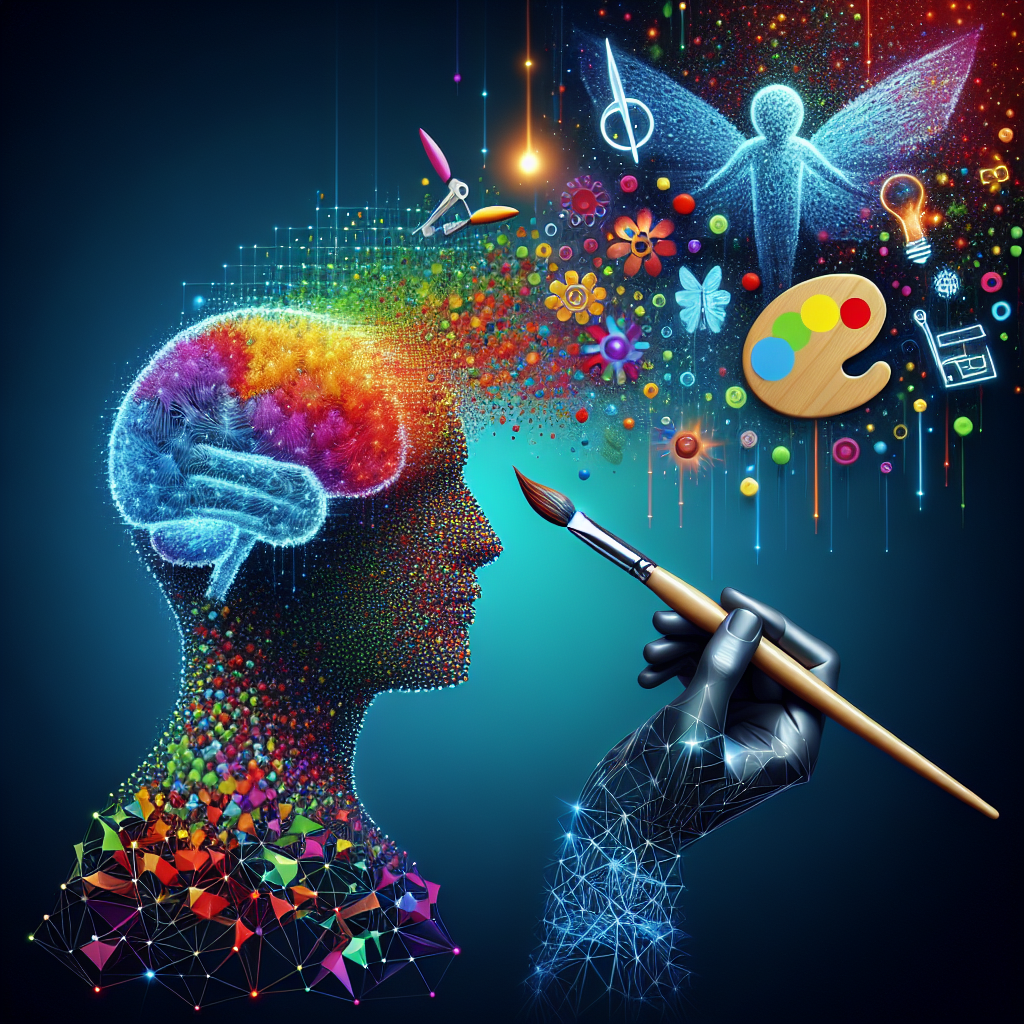
From Data to Design: AI’s Influence on Creative Industries
Artificial Intelligence (AI) has been making significant strides in various industries, from healthcare to finance. But one area where AI is having a particularly profound impact is the creative industries. From design to music to fashion, AI is revolutionizing the way creatives work and pushing the boundaries of what is possible. In this article, we will explore how AI is influencing creative industries, the benefits and challenges it presents, and what the future may hold for AI and creativity.
The Role of AI in Design
Design is a crucial aspect of many creative industries, from graphic design to architecture to product design. Traditionally, design has been a highly subjective and creative process, with designers relying on their intuition and experience to create visually appealing and functional products. However, AI is changing the game by introducing data-driven insights into the design process.
One of the key ways AI is influencing design is through generative design. Generative design uses algorithms to explore all possible design options based on a set of parameters and constraints. This allows designers to quickly iterate through numerous design variations and find the optimal solution. For example, in architecture, generative design can help architects optimize building layouts for energy efficiency, structural integrity, and aesthetics.
AI is also enabling designers to create more personalized and adaptive designs. By analyzing data on user preferences and behavior, AI can help designers tailor products to individual needs and preferences. For example, in fashion design, AI can analyze trends and customer data to create custom clothing designs that cater to specific body types and style preferences.
The Benefits of AI in Creative Industries
The integration of AI into creative industries offers a range of benefits for both designers and consumers. One of the key advantages of AI in design is the ability to automate repetitive tasks and streamline the design process. This allows designers to focus on more creative and strategic aspects of their work, leading to faster and more innovative designs.
AI also enables designers to explore new design possibilities and push the boundaries of creativity. By analyzing vast amounts of data and generating new design ideas, AI can inspire designers to think outside the box and experiment with unconventional design concepts. This can lead to more innovative and groundbreaking designs that captivate audiences and drive business success.
Another benefit of AI in creative industries is the ability to create more personalized and engaging experiences for consumers. By leveraging AI to analyze customer data and preferences, designers can create products that resonate with individual tastes and preferences. This can lead to higher customer satisfaction and loyalty, as consumers feel a stronger connection to products that are tailored to their needs.
The Challenges of AI in Creative Industries
While AI presents numerous opportunities for creative industries, it also poses some challenges that designers need to be aware of. One of the main challenges is the potential loss of human creativity and intuition in the design process. As AI becomes more sophisticated and capable of generating design ideas, there is a risk that designers may rely too heavily on AI and lose touch with their own creative instincts.
Another challenge of AI in creative industries is the ethical implications of using AI to create designs. For example, AI algorithms may inadvertently perpetuate biases and stereotypes present in the data they are trained on. Designers need to be mindful of these ethical considerations and ensure that AI is used responsibly and ethically in the design process.
Additionally, there is a concern that AI may lead to job displacement in the creative industries. As AI automates more tasks and processes in design, there is a risk that some traditional design roles may become obsolete. Designers need to adapt to this changing landscape by acquiring new skills and embracing AI as a tool to enhance their creativity and productivity.
The Future of AI and Creativity
Despite the challenges, the future of AI in creative industries is bright and full of possibilities. As AI continues to evolve and improve, designers will have access to more advanced tools and capabilities to enhance their creativity and productivity. AI can help designers unlock new design possibilities, create more personalized experiences for consumers, and drive innovation in the creative industries.
In the future, we can expect to see AI play an even larger role in shaping the creative industries. From virtual reality design tools to AI-generated music compositions, AI will continue to push the boundaries of what is possible in design and creativity. As designers embrace AI as a tool to enhance their creative process, we can expect to see a new era of innovation and creativity in the creative industries.
FAQs
Q: How is AI influencing design in creative industries?
A: AI is revolutionizing design in creative industries by introducing data-driven insights, automating repetitive tasks, and enabling designers to create more personalized and adaptive designs.
Q: What are the benefits of AI in creative industries?
A: The integration of AI into creative industries offers benefits such as streamlining the design process, inspiring innovative designs, and creating personalized experiences for consumers.
Q: What are the challenges of AI in creative industries?
A: Some challenges of AI in creative industries include the potential loss of human creativity, ethical implications of using AI in design, and the risk of job displacement for traditional designers.
Q: What does the future hold for AI and creativity in creative industries?
A: The future of AI and creativity in creative industries is bright, with AI continuing to evolve and provide designers with advanced tools and capabilities to enhance their creativity and drive innovation.
In conclusion, AI is transforming the creative industries by introducing data-driven insights, automating tasks, and enabling designers to create more personalized and innovative designs. While AI presents challenges such as the potential loss of human creativity and job displacement, the future of AI and creativity in creative industries is promising. As designers embrace AI as a tool to enhance their creativity and productivity, we can expect to see a new era of innovation and creativity in the creative industries.