
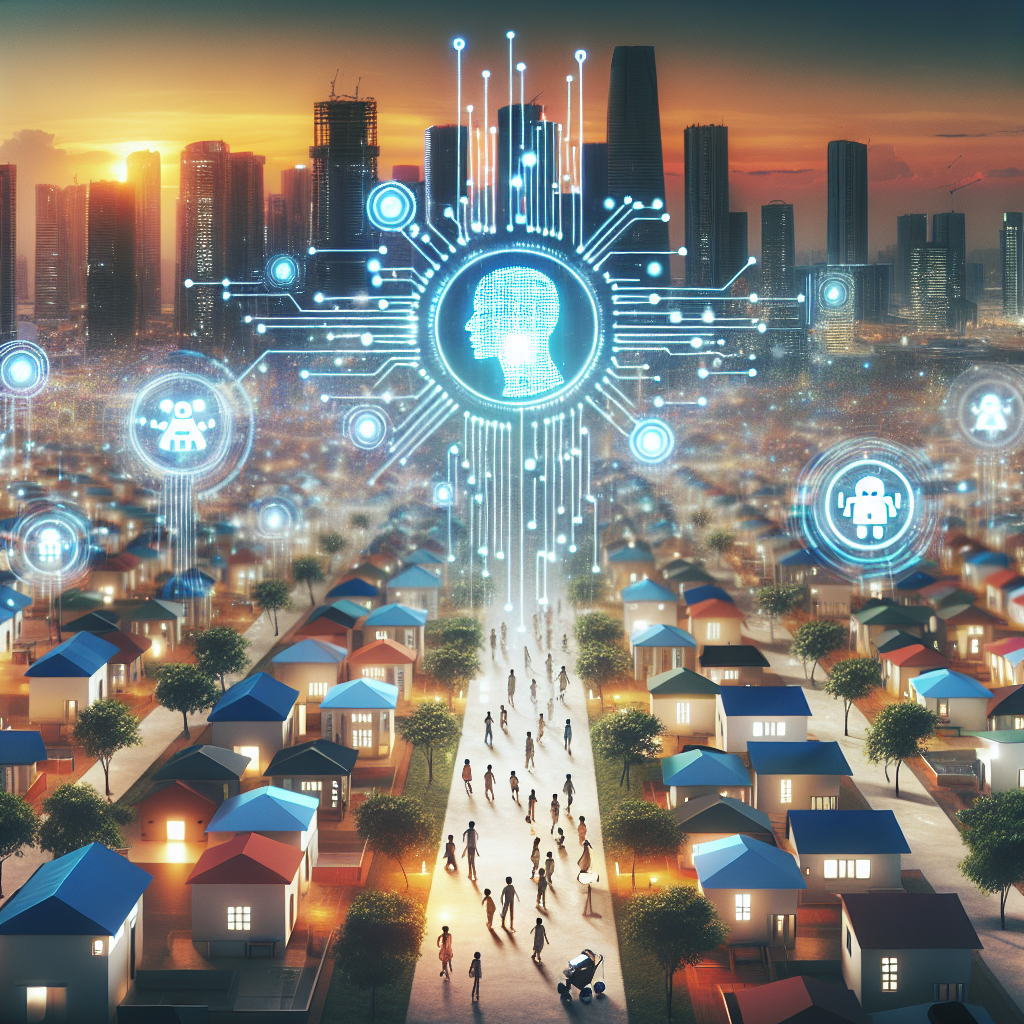
The Role of AI in Public Housing Programs
In recent years, the use of artificial intelligence (AI) in public housing programs has been gaining traction as a way to improve efficiency, reduce costs, and better serve residents. From predictive analytics to chatbots, AI technologies are being leveraged to streamline processes, enhance decision-making, and provide more personalized services. In this article, we will explore the various ways in which AI is being used in public housing programs and the benefits it offers to both residents and housing authorities.
Predictive Analytics
One of the key ways in which AI is being used in public housing programs is through predictive analytics. By analyzing historical data and trends, AI algorithms can predict future housing needs, identify at-risk households, and optimize resource allocation. For example, AI can help housing authorities anticipate vacancies, prioritize maintenance requests, and allocate rental assistance based on individual needs.
By using predictive analytics, housing authorities can proactively address issues before they escalate, improve decision-making, and ultimately provide better services to residents. This can lead to cost savings, increased efficiency, and improved outcomes for both residents and housing authorities.
Chatbots
Another way in which AI is being used in public housing programs is through chatbots. These virtual assistants can provide residents with instant access to information, support, and services. From answering common questions to scheduling maintenance appointments, chatbots can streamline communication and reduce administrative burden for housing authorities.
Chatbots can also provide personalized recommendations and guidance to residents, helping them navigate the complex world of public housing programs. By automating routine tasks and providing real-time assistance, chatbots can improve resident satisfaction, reduce wait times, and enhance overall service delivery.
Smart Home Technology
AI is also being used in public housing programs to integrate smart home technology. By leveraging Internet of Things (IoT) devices and AI algorithms, housing authorities can monitor energy consumption, improve security, and enhance the quality of life for residents. For example, AI-powered thermostats can adjust temperature settings based on residents’ preferences and occupancy patterns, leading to energy savings and improved comfort.
Smart home technology can also enable remote monitoring and maintenance, allowing housing authorities to proactively address issues and ensure the safety and well-being of residents. By using AI to optimize energy usage, improve security, and enhance convenience, public housing programs can create more sustainable, efficient, and livable communities.
Benefits of AI in Public Housing Programs
The use of AI in public housing programs offers a wide range of benefits for both residents and housing authorities. Some of the key advantages include:
1. Improved Efficiency: AI technologies can automate routine tasks, streamline processes, and reduce administrative burden, allowing housing authorities to focus on more strategic initiatives and provide better services to residents.
2. Cost Savings: By optimizing resource allocation, predicting maintenance needs, and reducing energy consumption, AI can help housing authorities save costs and allocate resources more effectively.
3. Enhanced Decision-Making: AI algorithms can analyze complex data sets, identify patterns, and provide insights to support decision-making, leading to more informed and effective strategies.
4. Personalized Services: AI technologies can provide residents with personalized recommendations, assistance, and support, improving their overall experience and satisfaction with public housing programs.
5. Improved Quality of Life: By integrating smart home technology and AI-powered solutions, public housing programs can enhance the quality of life for residents, promote sustainability, and create more livable communities.
Frequently Asked Questions
Q: How is AI being used in public housing programs to improve maintenance and repairs?
A: AI is being used to predict maintenance needs, prioritize repair requests, and optimize resource allocation. By analyzing historical data and trends, AI algorithms can identify at-risk properties, anticipate issues before they arise, and ensure timely maintenance and repairs.
Q: How can AI improve the allocation of rental assistance in public housing programs?
A: AI can analyze individual needs, preferences, and eligibility criteria to allocate rental assistance more effectively. By using predictive analytics and personalized recommendations, housing authorities can ensure that resources are allocated to those who need them most, leading to better outcomes for residents.
Q: What are the privacy concerns associated with using AI in public housing programs?
A: Privacy concerns related to AI in public housing programs include data security, consent, and transparency. Housing authorities must ensure that residents’ personal information is protected, obtain consent for data collection and use, and provide clear information on how AI technologies are being used.
Q: How can residents benefit from AI-powered chatbots in public housing programs?
A: Residents can benefit from AI-powered chatbots by accessing instant support, information, and services. Chatbots can answer common questions, provide personalized recommendations, and streamline communication, leading to improved satisfaction and convenience for residents.
Q: What are some examples of smart home technology being used in public housing programs?
A: Examples of smart home technology being used in public housing programs include AI-powered thermostats, security cameras, and lighting systems. These devices can monitor energy consumption, improve security, and enhance comfort for residents, leading to more sustainable and livable communities.
In conclusion, the role of AI in public housing programs is becoming increasingly important as housing authorities seek to improve efficiency, reduce costs, and better serve residents. From predictive analytics to chatbots, AI technologies are transforming the way public housing programs operate and deliver services. By leveraging AI-powered solutions, housing authorities can optimize resource allocation, improve decision-making, and enhance the quality of life for residents, ultimately creating more sustainable, efficient, and livable communities.