
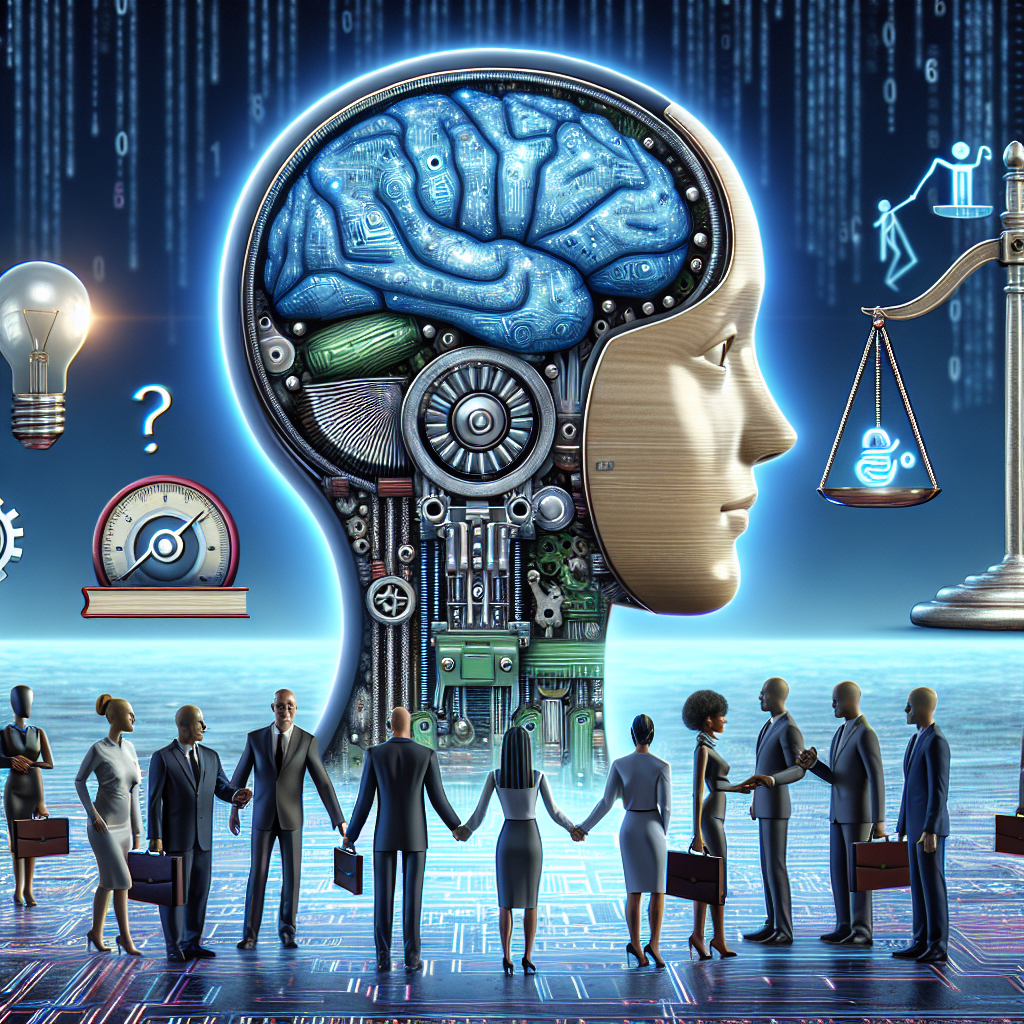
In recent years, artificial intelligence (AI) has rapidly advanced and become an integral part of our daily lives. From virtual assistants like Siri and Alexa to self-driving cars and personalized recommendations on social media, AI is changing the way we interact with technology and the world around us. However, as AI becomes more prevalent, concerns about ethics and transparency in machine learning have also grown.
Building trust in AI is crucial for its widespread adoption and acceptance. People need to feel confident that AI systems are ethical, transparent, and reliable. This is especially important in sensitive areas like healthcare, finance, and criminal justice, where AI decisions can have significant impacts on individuals’ lives.
The Role of Ethics in Machine Learning
Ethics play a critical role in the development and deployment of AI systems. Ethical considerations help ensure that AI technologies are used responsibly and in ways that benefit society. Some key ethical principles that should guide AI development include:
1. Fairness: AI systems should be designed to treat all individuals fairly and without bias. This means ensuring that the data used to train AI models is representative of the population it will be applied to and that decisions made by AI systems are not discriminatory.
2. Accountability: Developers and users of AI systems should be held accountable for the decisions made by these systems. This includes understanding how AI algorithms work, being transparent about their limitations, and taking responsibility for any harm caused by AI decisions.
3. Privacy: AI systems often rely on large amounts of data to learn and make decisions. It is essential to protect individuals’ privacy and ensure that their data is used responsibly and securely.
4. Transparency: Transparency is essential for building trust in AI. Users should be able to understand how AI systems work, how decisions are made, and why certain outcomes are produced.
The Role of Transparency in Machine Learning
Transparency is closely related to ethics in AI and is critical for building trust in AI systems. Transparency refers to the openness and clarity of AI systems, including how they work, the data they use, and the decisions they make. Transparent AI systems are more trustworthy, accountable, and easier to regulate.
There are several ways to promote transparency in machine learning:
1. Explainable AI: Explainable AI (XAI) refers to AI systems that can explain their decisions and actions in a way that is understandable to humans. XAI is crucial for building trust in AI systems, especially in high-stakes applications like healthcare and finance.
2. Open Data: Making data used in AI development and training publicly available can increase transparency and accountability. Open data allows researchers and policymakers to understand how AI systems are trained, identify biases or errors, and hold developers accountable for their decisions.
3. Auditing and Testing: Regular audits and testing of AI systems can help identify biases, errors, or vulnerabilities that may affect their transparency and trustworthiness. Auditing AI systems can also help ensure compliance with ethical guidelines and regulations.
4. Regulatory Frameworks: Governments and regulatory bodies can play a crucial role in promoting transparency in AI. Establishing clear guidelines, standards, and regulations for AI development and deployment can help ensure that AI systems are ethical, transparent, and accountable.
Frequently Asked Questions (FAQs)
Q: How can AI developers ensure that their systems are ethical and transparent?
A: AI developers should prioritize ethical considerations in the design and development of AI systems. This includes ensuring fairness, accountability, privacy, and transparency in all aspects of AI development. Developers should also be open to feedback, audits, and testing to identify and address any ethical or transparency issues.
Q: What are some examples of unethical AI applications?
A: Some examples of unethical AI applications include biased hiring algorithms that discriminate against certain groups, predictive policing systems that target minority communities, and healthcare algorithms that prioritize cost savings over patient care. These examples highlight the importance of ethical considerations in AI development.
Q: How can AI systems be made more transparent?
A: AI systems can be made more transparent through explainable AI (XAI), open data, auditing, testing, and regulatory frameworks. XAI allows AI systems to explain their decisions in a way that is understandable to humans. Open data makes the data used in AI development publicly available for scrutiny. Auditing and testing can help identify biases, errors, or vulnerabilities in AI systems. Regulatory frameworks can establish clear guidelines, standards, and regulations for AI development and deployment.
Q: What are the benefits of building trust in AI?
A: Building trust in AI is essential for its widespread adoption and acceptance. Trustworthy AI systems are more likely to be used responsibly, ethically, and effectively. Trust in AI can also lead to better decision-making, increased innovation, and improved societal outcomes.
Q: How can individuals and organizations promote ethics and transparency in AI?
A: Individuals and organizations can promote ethics and transparency in AI by prioritizing these considerations in the design, development, and deployment of AI systems. This includes advocating for fair, accountable, private, and transparent AI systems, supporting regulations and guidelines that promote ethical AI, and holding developers and users accountable for their decisions.
In conclusion, building trust in AI requires a combination of ethics and transparency in machine learning. Ethical considerations help ensure that AI systems are used responsibly and in ways that benefit society, while transparency promotes openness and clarity in AI systems. By prioritizing ethics and transparency in AI development, we can build trust in AI and ensure that it is used ethically, responsibly, and effectively.