
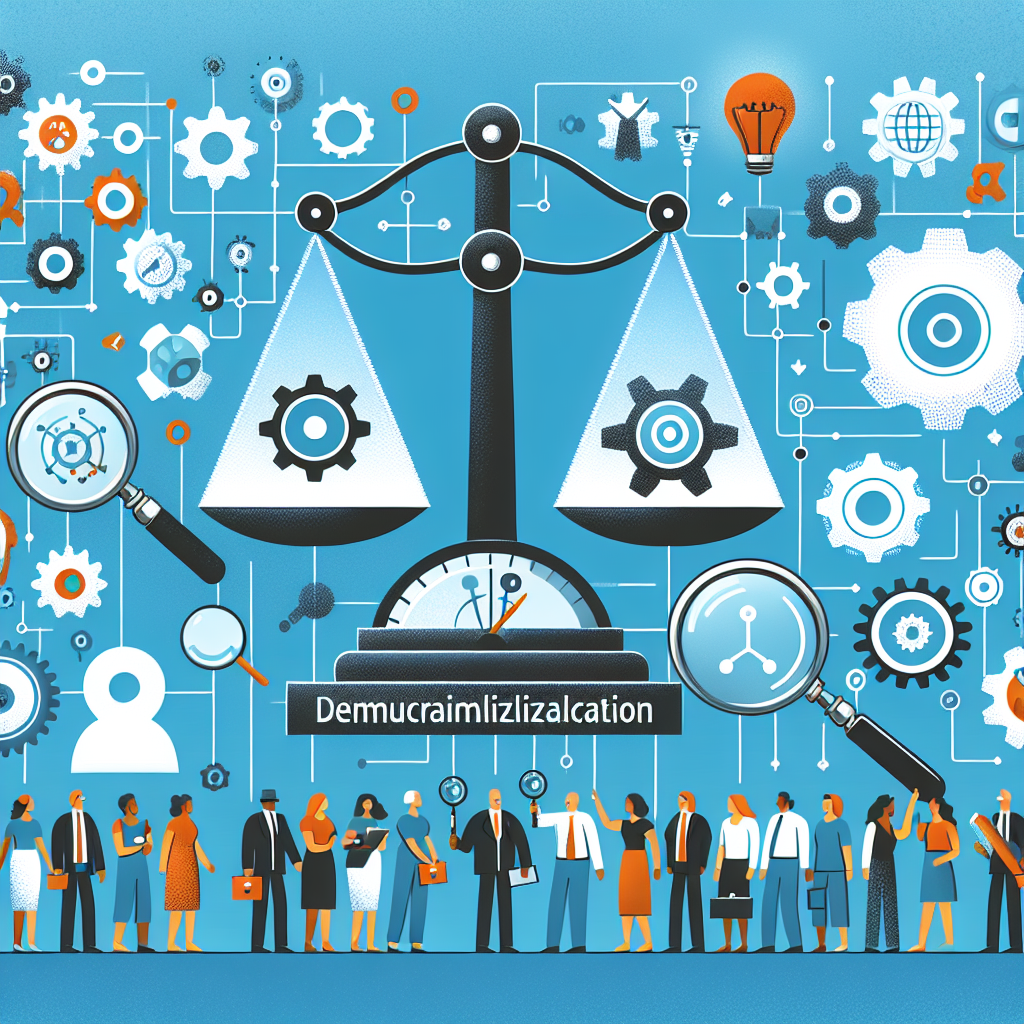
In recent years, artificial intelligence (AI) has become an integral part of our daily lives, from virtual assistants like Siri and Alexa to self-driving cars and personalized recommendations on social media. As AI continues to advance rapidly, there is a growing concern about the fairness and transparency of these technologies. The democratization of AI is essential to ensure that it benefits everyone equally and is not biased or discriminatory.
What is Democratizing AI?
Democratizing AI refers to the process of making AI technology accessible to a wider audience and ensuring that it is transparent, accountable, and fair. This includes making AI tools and resources available to individuals, businesses, and organizations of all sizes, as well as ensuring that AI systems are designed and implemented in a way that promotes fairness and equity.
Why is Democratizing AI important?
AI has the potential to revolutionize industries and improve our daily lives in countless ways. However, there is a risk that AI systems may perpetuate existing biases and inequalities if they are not designed and implemented in a responsible manner. Democratizing AI is crucial to ensure that everyone has equal access to the benefits of AI technology and that these technologies are developed in a way that is fair and transparent.
How can we ensure fairness and transparency in AI technology?
There are several key principles that can help ensure fairness and transparency in AI technology:
1. Data quality and diversity: AI systems are only as good as the data they are trained on. It is essential to ensure that AI algorithms are trained on high-quality, diverse data sets that accurately reflect the real world. This can help reduce bias and ensure that AI systems are fair and equitable.
2. Algorithm transparency: AI algorithms can be complex and difficult to understand. It is important to make AI algorithms transparent and explainable so that users can understand how decisions are being made and identify any biases or errors. This can help build trust in AI systems and ensure that they are used responsibly.
3. Ethical considerations: AI systems should be designed and implemented in a way that respects ethical principles and human rights. This includes ensuring that AI systems do not discriminate against individuals or groups based on factors like race, gender, or socioeconomic status. It is important to consider the ethical implications of AI technology and prioritize the well-being of individuals and society as a whole.
4. Accountability and oversight: There should be mechanisms in place to hold developers and users of AI technology accountable for their actions. This can include establishing regulatory frameworks, conducting audits and assessments of AI systems, and providing avenues for recourse for individuals who have been harmed by AI technology. Accountability and oversight are essential to ensure that AI technology is used responsibly and ethically.
How can we democratize AI?
There are several ways to democratize AI and ensure that it benefits everyone equally:
1. Education and training: Providing education and training in AI technology can help empower individuals and organizations to use AI tools effectively and responsibly. This can help ensure that AI technology is accessible to a wider audience and that users have the knowledge and skills to use AI systems in a fair and transparent manner.
2. Open access and collaboration: Making AI tools and resources openly available can help democratize AI technology and promote innovation and collaboration. Open-source AI frameworks and datasets can enable developers and researchers to build and test AI systems more easily, leading to the development of more diverse and inclusive AI technology.
3. Diversity and inclusion: Promoting diversity and inclusion in the AI industry can help ensure that AI technology is developed in a way that reflects the needs and perspectives of a diverse range of users. By supporting underrepresented groups in AI research and development, we can help create AI systems that are fair, equitable, and responsive to the needs of all individuals.
4. Public engagement and dialogue: Engaging with the public and stakeholders can help build trust in AI technology and ensure that it is used in a responsible and ethical manner. By fostering open dialogue and collaboration between developers, policymakers, and the public, we can work together to address the challenges and opportunities of AI technology.
FAQs
Q: What are some examples of bias in AI technology?
A: Bias in AI technology can manifest in various ways, such as racial bias in facial recognition systems, gender bias in hiring algorithms, and socioeconomic bias in predictive policing tools. These biases can perpetuate existing inequalities and have harmful consequences for individuals and communities.
Q: How can we address bias in AI technology?
A: Addressing bias in AI technology requires a multi-faceted approach, including ensuring diverse and representative data sets, designing transparent and explainable algorithms, and promoting diversity and inclusion in the AI industry. It is important to be vigilant and proactive in identifying and addressing bias in AI technology to ensure that it is fair and equitable for all users.
Q: What are some ethical considerations in AI technology?
A: Ethical considerations in AI technology include issues such as privacy, transparency, accountability, and fairness. It is important to consider the potential impact of AI technology on individuals and society as a whole and prioritize ethical principles and human rights in the design and implementation of AI systems.
Q: How can we promote fairness and transparency in AI technology?
A: Promoting fairness and transparency in AI technology requires a commitment to ethical principles, accountability, and oversight. By ensuring that AI systems are designed and implemented in a responsible and transparent manner, we can help build trust in AI technology and ensure that it benefits everyone equally.
In conclusion, democratizing AI is essential to ensure that AI technology is fair, transparent, and accountable. By promoting diversity and inclusion, addressing bias, and prioritizing ethical considerations, we can help build a future where AI technology benefits everyone equally and contributes to a more just and equitable society. It is important to be vigilant and proactive in addressing the challenges and opportunities of AI technology to ensure that it is used responsibly and ethically.